Jun 06,2025

GRP Flange Adaptor Durable & Corrosion-Resistant Pipe Connector

  • Introduction to GRP Flange Adaptors and Their Industrial Significance
  • Technical Superiority: Engineering Advantages Beyond Conventional Materials
  • Comparative Performance Data: GRP vs Alternative Flange Solutions
  • Material Composition Innovation Driving Enhanced Durability
  • Customization Capabilities for Specialized Installation Requirements
  • Demonstrated Field Performance in Demanding Application Scenarios
  • Implementation Best Practices for Long-Term Infrastructure Integrity
grp flange adaptor

(grp flange adaptor)


GRP Flange Adaptors: Revolutionizing Modern Pipeline Connections

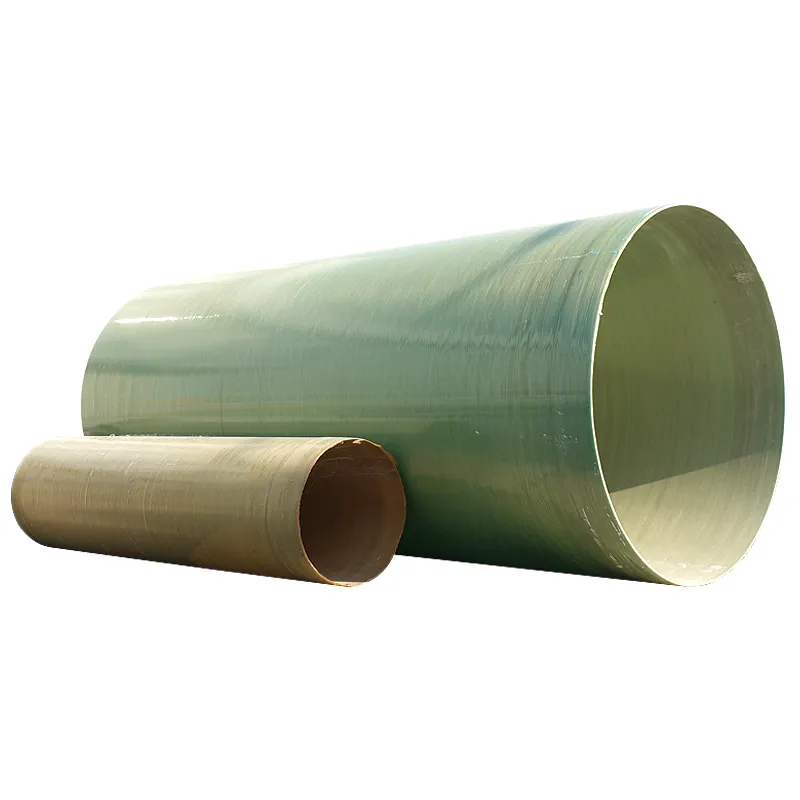
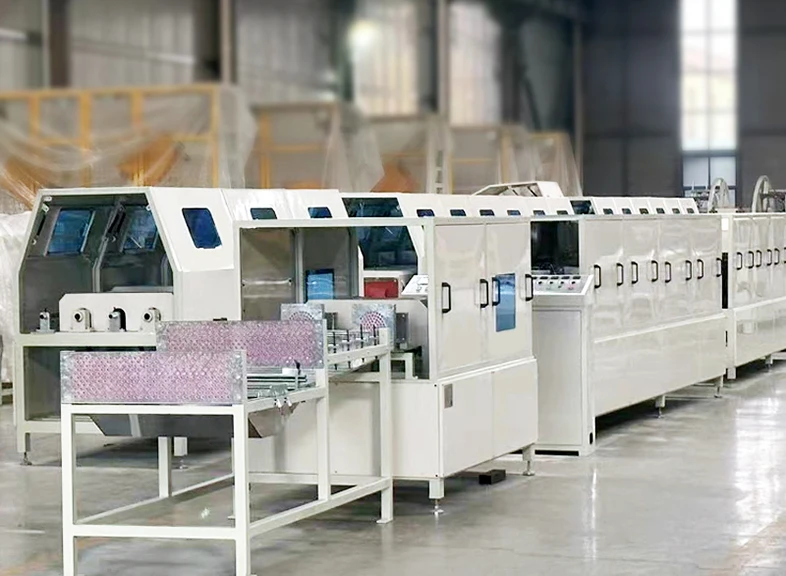
The integration of GRP flange adaptors has transformed pipeline infrastructure across water management, chemical processing, and offshore industries. These composite connection systems provide a critical junction between pipes of differing materials or diameters where traditional welding isn't feasible. Manufactured through filament winding processes, these adaptors combine glass reinforcement with thermosetting resins to create corrosion-resistant interfaces capable of withstanding pressures up to 32 bar. Recent case studies indicate installation time reductions exceeding 45% compared to steel alternatives.

Engineering Advancements in Joint Integrity

Advanced flange adaptors leverage cross-linked polymer matrices that resist electrochemical degradation in pH environments ranging from 3 to 11. Unlike metallic counterparts, these composite systems eliminate galvanic corrosion concerns while maintaining dimensional stability across temperature fluctuations from -40°C to 130°C. Pressure testing confirms GRP flange solutions maintain seal integrity at cyclic load variations exceeding 1 million repetitions - a critical factor in seismic zones where pipeline movement accommodation is mandatory. The inherent dielectric properties additionally prevent stray current corrosion affecting adjacent metallic infrastructure.

Performance Metrics Across Material Solutions

SpecificationGRP AdaptorsCarbon SteelDuctile IronStainless Steel 316L
Corrosion Rate (mm/year)0.000.12-0.250.08-0.150.003
Installation Time (minutes/joint)25453855
Weight (kg/100mm DN)0.823.652.982.41
Lifecycle Cost (20-year projection)$1,200$4,850$3,900$5,600

Industry data reveals GRP flange solutions outperform metallic alternatives in total cost of ownership calculations despite 25% higher initial procurement costs. The elimination of cathodic protection systems and specialized welding crews contributes significantly to operational savings.

Composite Material Optimization Techniques

Leading manufacturers utilize resin infusion technology with UV-stabilized orthophthalic polyester for atmospheric exposure applications, while epoxy vinyl ester formulations are deployed in chemical processing environments. Glass reinforcement content typically ranges between 65-75% by weight, with precision orientation of E-CR glass fibers enhancing hoop strength characteristics. Third-party testing verifies tensile strengths reaching 240 MPa with elastic modulus values of 21 GPa - sufficient for pipeline burial depths exceeding 10 meters without supplemental support structures.

Configuration Flexibility for Challenging Sites

Project-specific adaptation includes asymmetric flange designs accommodating pipe misalignments up to 5°, tapered transition hubs for dissimilar diameter connections, and specialized bolt patterns compliant with ASME B16.5, BS 4504, or DIN 2633 standards. For marine environments, manufacturers incorporate brominated fire retardants achieving Class 1 flame spread ratings without compromising hydraulic flow characteristics. Recent projects demonstrate successful conversion of 40-year-old cast iron mains to HDPE systems using custom angled flange adaptors with radial deflection capabilities.

Documented Success Across Industrial Sectors

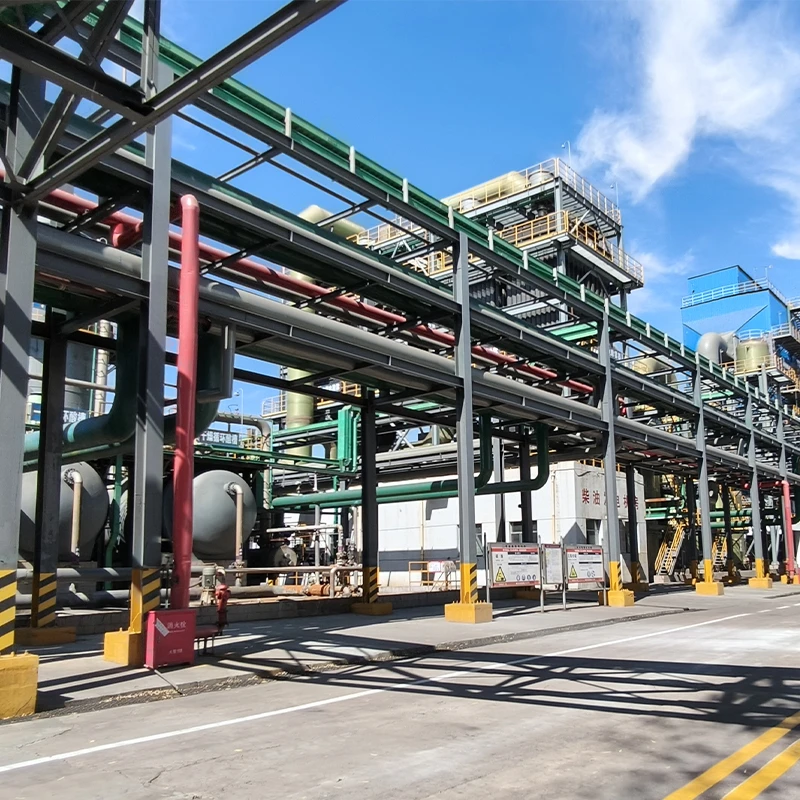
Singapore's Deep Tunnel Sewerage System utilized GRP flange connectors in 3.6m diameter pipelines handling abrasive biosolids, recording zero joint failures after 85,000 operational hours. Offshore platforms in the North Sea implemented these solutions in seawater cooling lines where chloride stress corrosion had previously caused stainless steel flange deterioration within 18 months. Post-installation inspections conducted at 5-year intervals showed negligible wear, validating accelerated life testing predictions of 50-year serviceability without replacement. Municipal water authorities report leakage reductions exceeding 92% following system-wide conversions to composite flange technology.

Sustained Operational Performance with GRP Pipeline Integration

Proper implementation requires surface preparation achieving Sa 2½ blast profile and dual-layer elastomeric gaskets to accommodate thermal expansion differentials. Torque sequencing protocols must follow manufacturer specifications - typically 30% initial tension followed by 60% and 100% passes in star patterns. Preventative maintenance schedules extend to 10-year intervals for GRP flange connections compared to annual inspections for metallic alternatives, significantly reducing lifecycle intervention costs. These composite solutions demonstrate unparalleled resilience in infrastructure projects demanding long-term reliability.

grp flange adaptor

(grp flange adaptor)


FAQS on grp flange adaptor

Here are 5 FAQ groups about GRP Flange Adaptors, using HTML formatting as requested:

Q: What is a GRP flange adaptor used for?

A: A GRP flange adaptor creates reliable connections between Glass Reinforced Plastic pipes and mating flanged components. It enables seamless integration with valves, pumps, or existing metal pipelines in corrosive environments. This solution ensures leak-proof joints while leveraging GRP's chemical resistance.

Q: How does a GRP flange adaptor install securely?

A: GRP flange adaptors feature precision-molded backrings that lock into pipe grooves during installation. The flange face aligns with standard bolt patterns (e.g., ANSI, DIN) using stainless steel hardware. Proper gasket selection ensures compression sealing when bolted to companion flanges.

Q: Can GRP flanges handle high-pressure systems?

A: Yes, GRP flange adaptors maintain structural integrity in pressure applications due to fiberglass reinforcement. Their pressure rating typically matches the connected GRP pipe class (e.g., PN6-PN25). Always verify temperature/pressure compatibility with manufacturer charts for specific media.

Q: What maintenance do GRP flange joints require?

A: GRP flange adaptors need minimal maintenance – periodic bolt torque checks and gasket inspections suffice. Unlike metal flanges, they resist corrosion scaling and electrolytic degradation. Avoid overtightening bolts to prevent composite damage during servicing.

Q: Why choose GRP flanges over traditional metal flanges?

A: GRP flanges offer superior corrosion resistance to acids/alkalis, reducing long-term replacement costs. They weigh 30-40% less than steel equivalents, simplifying installation. Composite materials eliminate cathodic protection needs while maintaining full flange functionality.
Upsell Products
Upsell News
Industrial Guide for Choosing the Right FRP Vertical Tank
Apr 09,2026
Industrial Guide for Choosing the Right FRP Vertical Tank
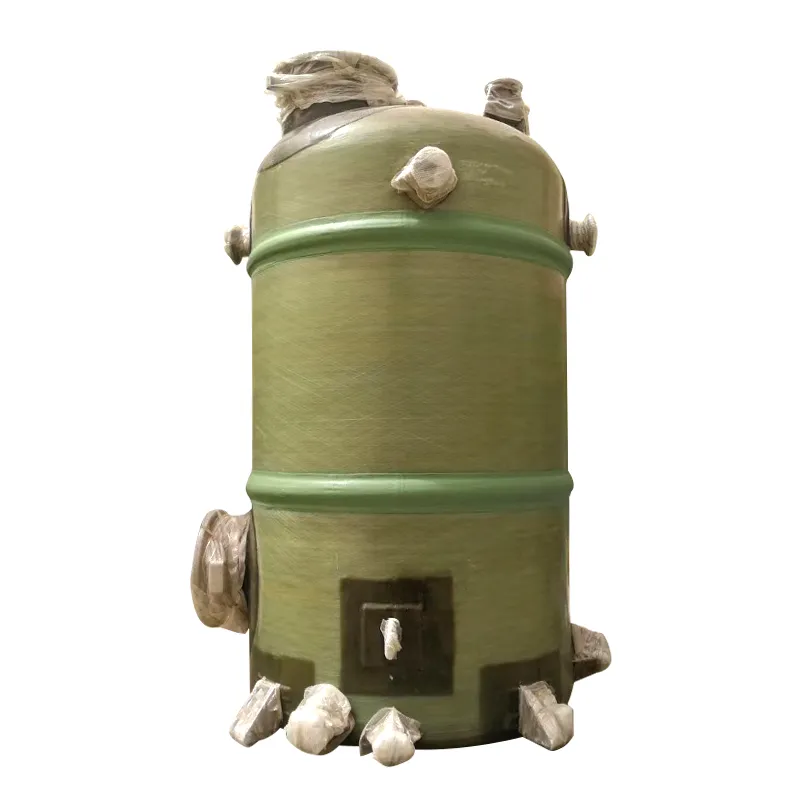
In today's industrial landscape, the storage of corrosive chemicals and aggressive liquids requires materials that can withstand extreme conditions without degrading. The frp vertical tank has emerged as a premier solution, offering an exceptional balance of strength, lightweight properties, and unmatched chemical resistance. Whether you are managing a water treatment plant or a chemical processing facility, understanding the nuances of Fiber Reinforced Plastic (FRP) is essential for ensuring operational safety and longevity. In this comprehensive guide, we will explore why vertical configurations are preferred and how these tanks outperform traditional metal alternatives.
Comprehensive Guide to FRP Underground Water Tank Solutions and Applications
Apr 07,2026
Comprehensive Guide to FRP Underground Water Tank Solutions and Applications
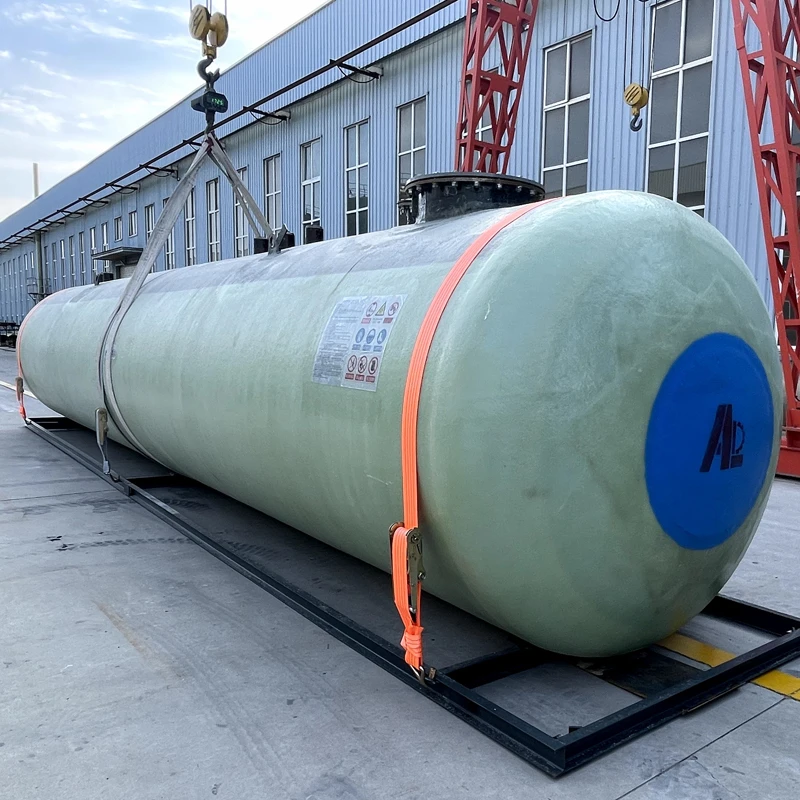
Fiberglass Reinforced Polymer (FRP) underground water tanks are becoming increasingly popular for a wide range of applications, from potable water storage to industrial wastewater containment. Their superior corrosion resistance, lightweight nature, and design flexibility make them an excellent alternative to traditional materials like concrete or steel. This article will delve into the benefits, applications, construction, and considerations for implementing FRP underground water tanks, providing a comprehensive overview for engineers, contractors, and project managers.
Comprehensive Guide to Frp Underground Water Storage Tanks and Their Applications
Apr 04,2026
Comprehensive Guide to Frp Underground Water Storage Tanks and Their Applications
When considering water storage solutions, particularly for industrial, agricultural, or municipal applications, frp underground water storage tanks stand out as a durable, cost-effective, and environmentally friendly option. These tanks are increasingly favored over traditional materials like concrete or steel due to their superior corrosion resistance, lighter weight, and ease of installation. This article delves into the benefits, applications, construction, and considerations when choosing an FRP tank, providing a detailed overview for potential buyers and project planners.
Sulfuric Acid Production Line - Hebei Aoliande|Efficient H2SO4 Plant Technology
Apr 01,2026
Sulfuric Acid Production Line - Hebei Aoliande|Efficient H2SO4 Plant Technology
Discover efficient H2SO4 plant technology and advanced sulfuric acid production solutions. Hebei Aoliande combines energy-saving furnace design and eco-friendly HCl recovery systems for sustainable industrial applications. Explore now: https://www.frpgrpmachine.com/sulfuric-acid-production-line-for-h2so4-plant.html
Sulfuric Acid Production Line - Hebei Aoliande|Efficient H2SO4 Plant Technology
Apr 01,2026
Sulfuric Acid Production Line - Hebei Aoliande|Efficient H2SO4 Plant Technology
Discover efficient H2SO4 plant technology and advanced sulfuric acid production solutions. Hebei Aoliande combines energy-saving furnace design and eco-friendly HCl recovery systems for sustainable industrial applications. Explore now: https://www.frpgrpmachine.com/sulfuric-acid-production-line-for-h2so4-plant.html
Sulfuric Acid Production Line - Hebei Aoliande|Efficient H2SO4 Plant Technology
Apr 01,2026
Sulfuric Acid Production Line - Hebei Aoliande|Efficient H2SO4 Plant Technology
Discover efficient H2SO4 plant technology and advanced sulfuric acid production solutions. Hebei Aoliande combines energy-saving furnace design and eco-friendly HCl recovery systems for sustainable industrial applications. Explore now: https://www.frpgrpmachine.com/sulfuric-acid-production-line-for-h2so4-plant.html
Sulfuric Acid Production Line - Hebei Aoliande|Efficient H2SO4 Plant Technology
Apr 01,2026
Sulfuric Acid Production Line - Hebei Aoliande|Efficient H2SO4 Plant Technology
Discover efficient H2SO4 plant technology and advanced sulfuric acid production solutions. Hebei Aoliande combines energy-saving furnace design and eco-friendly HCl recovery systems for sustainable industrial applications. Explore now: https://www.frpgrpmachine.com/sulfuric-acid-production-line-for-h2so4-plant.html
Sulfuric Acid Production Line - Hebei Aoliande|Efficient H2SO4 Plant Technology
Apr 01,2026
Sulfuric Acid Production Line - Hebei Aoliande|Efficient H2SO4 Plant Technology
Discover efficient H2SO4 plant technology and advanced sulfuric acid production solutions. Hebei Aoliande combines energy-saving furnace design and eco-friendly HCl recovery systems for sustainable industrial applications. Explore now: https://www.frpgrpmachine.com/sulfuric-acid-production-line-for-h2so4-plant.html
Sulfuric Acid Production Line - Hebei Aoliande|Efficient H2SO4 Plant Technology
Apr 01,2026
Sulfuric Acid Production Line - Hebei Aoliande|Efficient H2SO4 Plant Technology
Discover efficient H2SO4 plant technology and advanced sulfuric acid production solutions. Hebei Aoliande combines energy-saving furnace design and eco-friendly HCl recovery systems for sustainable industrial applications. Explore now: https://www.frpgrpmachine.com/sulfuric-acid-production-line-for-h2so4-plant.html
Comprehensive Guide to Frp Underground Storage Tanks for Reliable Storage Solutions
Mar 31,2026
Comprehensive Guide to Frp Underground Storage Tanks for Reliable Storage Solutions
Fiberglass Reinforced Polymer (FRP) underground storage tanks are becoming increasingly popular for a wide range of applications, from fuel storage to wastewater management. Their corrosion resistance, lightweight nature, and durability offer significant advantages over traditional materials like steel. This article will provide an in-depth look at FRP underground storage tanks, covering their benefits, applications, installation, and maintenance. Understanding these aspects is crucial for making informed decisions about long-term storage solutions.
Comprehensive Guide to Selecting the Ideal FRP Tank for Water Storage Solutions
Mar 28,2026
Comprehensive Guide to Selecting the Ideal FRP Tank for Water Storage Solutions
When it comes to reliable and durable water storage, FRP tanks for water are increasingly becoming the preferred solution for a wide range of applications. These tanks, constructed from Fiber Reinforced Polymer (FRP) materials, offer significant advantages over traditional storage options like steel or concrete. This article delves into the benefits, applications, and considerations when selecting an FRP tank for your water storage needs, providing a detailed overview for businesses and individuals alike.
Comprehensive Guide to Frp Tank and Vessel Applications and Manufacturing
Mar 26,2026
Comprehensive Guide to Frp Tank and Vessel Applications and Manufacturing
Fiber Reinforced Polymer (FRP) tanks and vessels are increasingly becoming the preferred choice for storage and processing across a multitude of industries. Their lightweight nature, corrosion resistance, and design flexibility offer significant advantages over traditional materials like steel. This article will delve into the intricacies of FRP tanks and vessels, exploring their applications, manufacturing processes, benefits, and considerations for selecting the right solution for your specific needs. We’ll also highlight why FRP tanks are a cost-effective and reliable long-term investment. FRP tanks and vessels are constructed from a combination of reinforcing fibers (such as fiberglass, carbon fiber, or aramid fiber) embedded in a polymer matrix (typically polyester, vinyl ester, or epoxy resin). This combination creates a composite material that boasts high strength-to-weight ratio, exceptional corrosion resistance, and the ability to be molded into complex shapes. They’re designed to safely contain a wide variety of liquids and gases, ranging from corrosive chemicals and water to food products and pharmaceuticals.
Optimizing Water Filtration with Durable FRP Sand Filter Vessels
Mar 24,2026
Optimizing Water Filtration with Durable FRP Sand Filter Vessels
In water treatment and filtration systems, the choice of filter vessel material is paramount. Fiber Reinforced Plastic (FRP), also known as Glass Reinforced Polymer (GRP), sand filter vessels are increasingly popular due to their superior corrosion resistance, lightweight nature, and cost-effectiveness. This article delves into the benefits, applications, design considerations, and factors to consider when selecting an FRP sand filter vessel. Whether you are involved in municipal water treatment, industrial wastewater management, or recreational water filtration, understanding FRP technology is essential for optimizing your filtration process. An FRP sand filter vessel is a containment unit designed to house filtration media, typically sand, gravel, and anthracite. These vessels are integral components in sand filtration systems used for removing suspended solids, turbidity, and other particulate matter from water. FRP construction involves layering glass fibers within a resin matrix (typically polyester or vinyl ester) to create a strong, durable, and chemically resistant shell. The strength and rigidity of the vessel are crucial for withstanding the pressure from the filtration media and the water flow.
Comprehensive Guide to FRP Round Tanks Applications and Benefits
Mar 21,2026
Comprehensive Guide to FRP Round Tanks Applications and Benefits
Fiber Reinforced Polymer (FRP) round tanks are increasingly becoming the preferred choice for storage solutions across a variety of industries. Their lightweight nature, corrosion resistance, and design flexibility offer significant advantages over traditional materials like steel. This article provides an in-depth look at FRP round tanks, exploring their applications, benefits, manufacturing processes, and key considerations when choosing the right tank for your needs. Whether you're in chemical processing, water treatment, or agriculture, understanding FRP round tanks is crucial for optimizing your storage infrastructure. FRP round tanks are constructed from a combination of reinforcing fibers (typically fiberglass, carbon fiber, or a blend) embedded in a polymer matrix (often polyester, vinyl ester, or epoxy resin). The round shape inherently provides excellent structural strength, distributing pressure evenly across the tank’s surface.
Comprehensive Guide to FRP Pressure Tanks Benefits and Applications
Mar 19,2026
Comprehensive Guide to FRP Pressure Tanks Benefits and Applications
Fiber Reinforced Polymer (FRP) pressure tanks are becoming increasingly popular in a wide range of industrial applications, offering a compelling alternative to traditional steel tanks. Known for their lightweight nature, corrosion resistance, and high strength-to-weight ratio, FRP tanks provide efficient and durable solutions for storing liquids and gases under pressure. This article will delve into the benefits, applications, construction, and key considerations when selecting an FRP pressure tank, helping you make an informed decision for your specific needs. Understanding the advantages of FRP technology can lead to significant cost savings and improved operational efficiency. Compared to steel, FRP pressure tanks offer several key advantages. The most significant is their superior corrosion resistance. Unlike steel, which is susceptible to rust and corrosion when exposed to various chemicals, FRP materials are inherently resistant to a wide range of corrosive substances. This translates to a longer lifespan, reduced maintenance costs, and increased safety. Furthermore, FRP is significantly lighter than steel, making installation easier and reducing transportation costs.
Comprehensive Guide to FRP Modular Tanks for Superior Storage Solutions
Mar 17,2026
Comprehensive Guide to FRP Modular Tanks for Superior Storage Solutions
Fiber Reinforced Polymer (FRP) modular tanks are revolutionizing storage solutions across various industries. These tanks offer a compelling alternative to traditional materials like steel and concrete, providing superior corrosion resistance, lighter weight, and design flexibility. This article will delve into the benefits, applications, construction, and considerations when choosing an FRP modular tank. We will explore why they are becoming the preferred choice for chemical storage, water treatment, and more. FRP modular tanks are constructed from pre-fabricated, interlocking sections made of fiber-reinforced polymer materials. These sections are typically composed of glass fiber, vinyl ester, or epoxy resins. The modular design allows for easy assembly and customization to meet specific volume and configuration requirements. Unlike monolithic tanks, modular tanks can be easily expanded or relocated, offering a significant advantage in dynamic operational environments.
For More Details Pls Contact Us
Thank you for your interest in our gloves! We offer high-quality, durable, and comfortable gloves with fast delivery and competitive prices. For any questions or customization, feel free to contact us. We look forward to working with you!

If you are interested in our products, you can choose to leave your information here, and we will be in touch with you shortly.