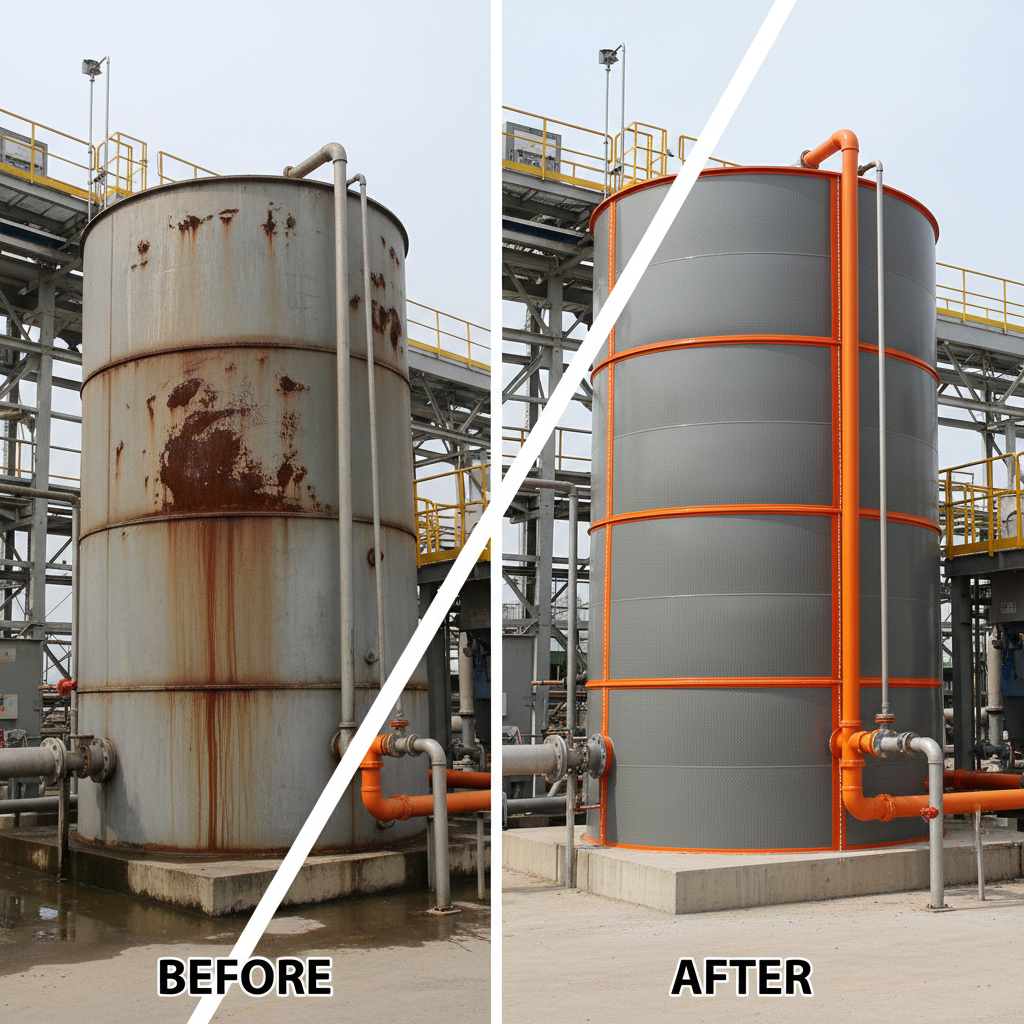
Leading Sulfuric Acid Production & Manufacturing Solutions
Unlocking Industrial Efficiency: The Science and Application of Sulfuric Acid Production
As a leading sulfuric acid manufacturer and expert in chemical plant solutions, we understand the critical role sulfuric acid plays across a multitude of industries. This comprehensive guide delves into the intricacies of sulfuric acid production, exploring industry trends, technological advancements, and the unparalleled advantages of our specialized Sulfuric Acid Production Line for H2SO4 Plants. From the fundamental principles of commercial production of sulphuric acid to custom engineering solutions, we provide insights to optimize your operations and ensure long-term sustainability.
Industry Trends and Market Dynamics in Sulfuric Acid Production
The global market for sulfuric acid is robust and continuously evolving, driven by demand from key sectors such as fertilizers, chemical manufacturing, metal processing, and petroleum refining. Recent market analyses project a steady growth trajectory, with the global sulfuric acid market size estimated to reach over USD 15 billion by 2027, growing at a CAGR of approximately 3.5% from 2020. This growth is largely underpinned by increasing agricultural output requiring phosphate fertilizers (which consume over 60% of global sulfuric acid output) and industrial expansion in emerging economies.
Technological trends in sulphuric acid production are focused on enhancing energy efficiency, reducing environmental impact, and improving raw material utilization. Modern sulfuric acid plant designs emphasize heat recovery systems, advanced catalytic converters, and robust emission control technologies to comply with increasingly stringent environmental regulations (e.g., lower SO2 emissions). The shift towards sustainable practices also encourages the recycling of spent sulfuric acid and the utilization of alternative sulfur sources, such as gypsum or waste gases from metallurgical processes.
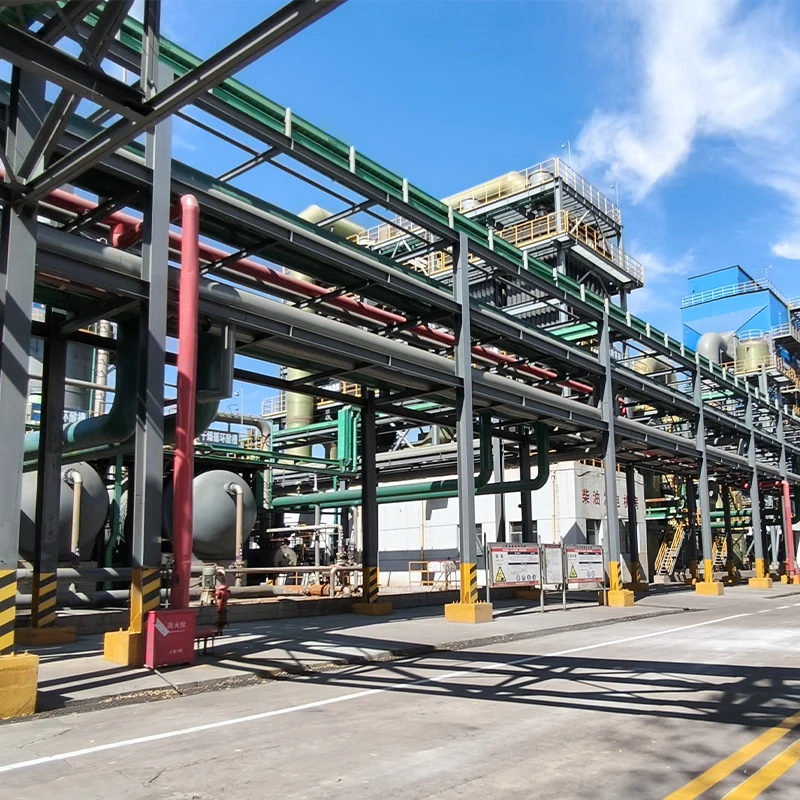
Understanding the Core: Technical Parameters of Sulfuric Acid Production
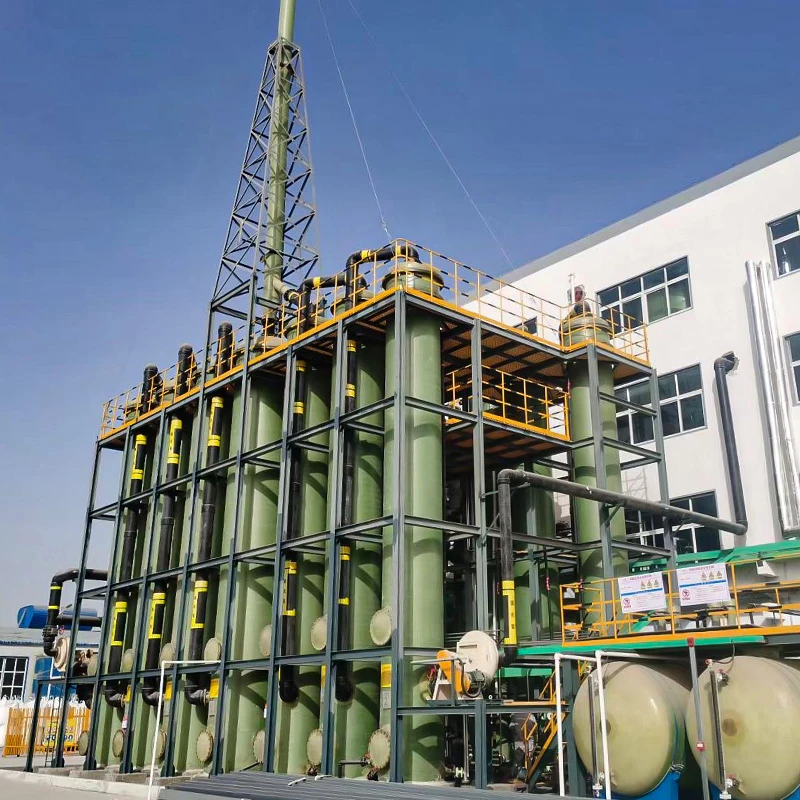
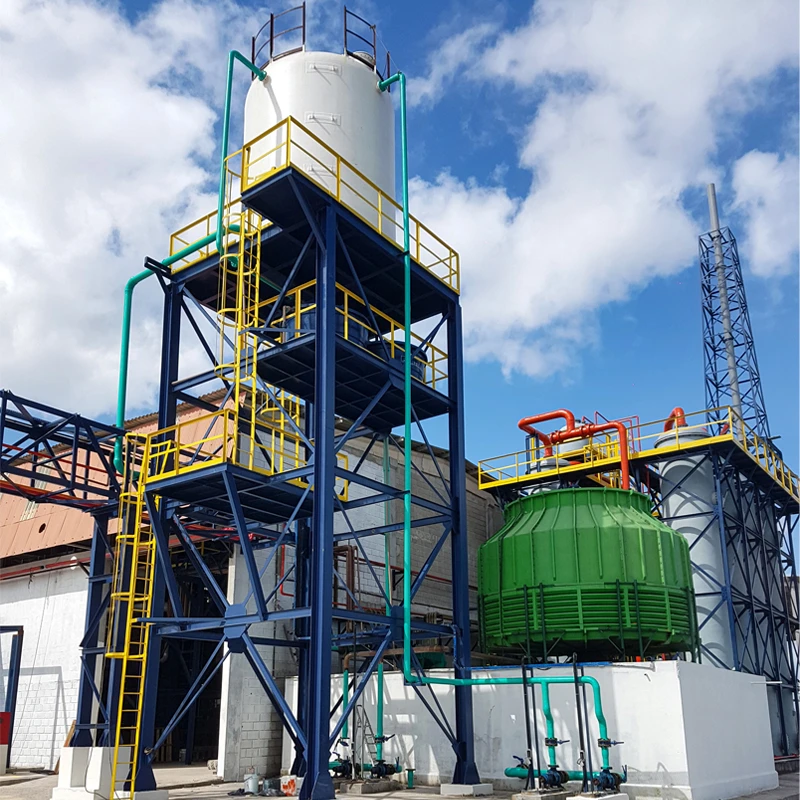
The **Sulfuric Acid Production Line For H2SO4 Plant** offered by us is engineered to deliver high-purity sulfuric acid with exceptional efficiency. Our systems are designed for various production capacities, ranging from small-scale industrial needs to large-scale continuous operations. Key technical parameters defining our solutions include conversion efficiency, energy consumption, and product purity.
Key Sulfuric Acid Production Parameters Table
| Parameter | Typical Range (Industry Standard) | Our Production Line Performance | Significance |
|---|---|---|---|
| Conversion Rate (SO2 to SO3) | 98.5% - 99.8% | >99.7% | Higher efficiency means more product from less raw material, reducing waste. Complies with EU Industrial Emissions Directive standards. |
| Energy Consumption (per ton H2SO4) | 1.0 - 1.2 GJ/ton | 0.8 - 1.0 GJ/ton (Net Energy Production) | Lower energy input or net energy generation reduces operational costs and carbon footprint. |
| Product Purity (H2SO4 concentration) | 98.0% - 98.5% (Commercial Grade) | 98.3% - 98.7% | Meets or exceeds industrial purity requirements for diverse applications. |
| SO2 Emission (from stack) | 150 - 250 mg/Nm3 | Critical for environmental compliance (e.g., EPA, national standards). Our Double Catalysis Double Absorption (DCDA) system ensures ultra-low emissions. | |
| Water Consumption (per ton H2SO4) | 0.5 - 1.0 m3/ton | 0.3 - 0.6 m3/ton | Optimized cooling and absorption processes reduce water footprint. |
| Operational Lifespan of Catalysts | 5 - 8 years | 7 - 10+ years | Extended catalyst life reduces maintenance and replacement costs. |
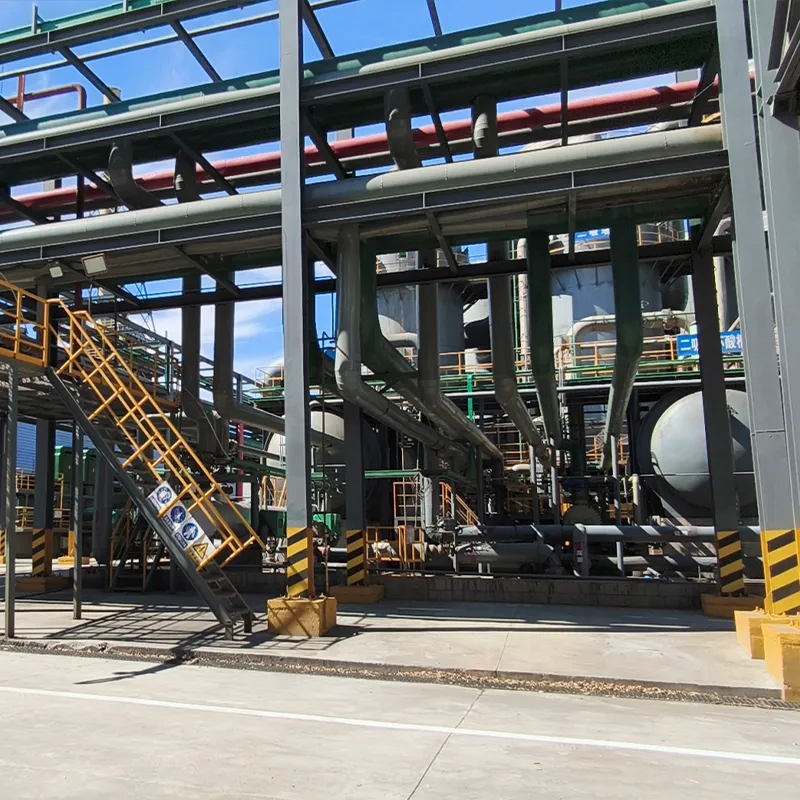
In-Depth Process Flow: The Journey of Sulfuric Acid Production
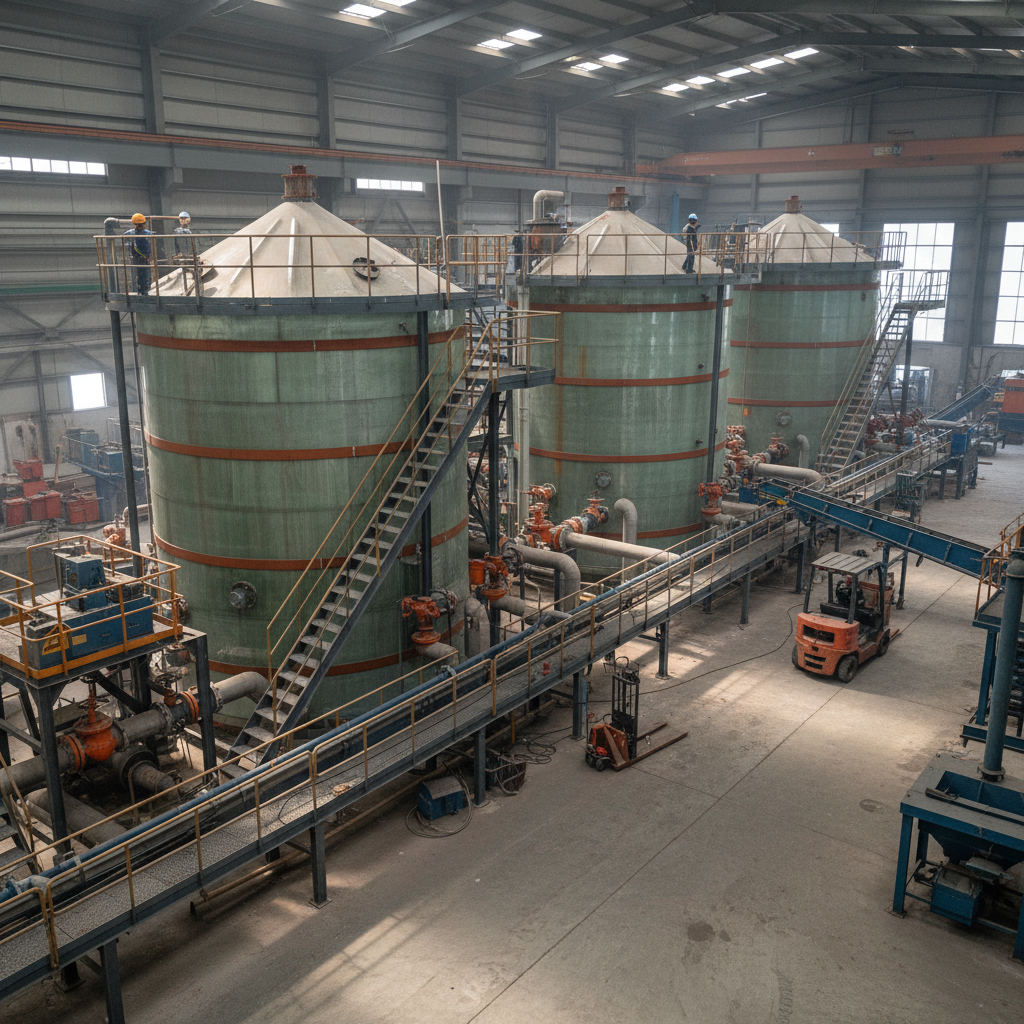
Our **Sulfuric Acid Production Line For H2SO4 Plant** (Product URL: https://www.frpgrpmachine.com/sulfuric-acid-production-line-for-h2so4-plant.html) employs the universally accepted Contact Process, enhanced with our proprietary design optimizations for superior performance and environmental compliance. Below is a detailed breakdown of the manufacturing process:
Simplified Sulfuric Acid Production Process Flow Diagram:
Sulfur Melting & Burning
Input: Elemental Sulfur (Solid). Sulfur is melted in a melting pit and then fed into a sulfur burner where it is combusted with dry air. This highly exothermic reaction produces sulfur dioxide (SO2) gas and releases significant heat. Reaction: S(l) + O2(g) → SO2(g)
Gas Cooling & Purification
Process: The hot SO2 gas (around 1000°C) is cooled using heat exchangers, generating high-pressure steam for energy recovery. The gas then passes through purification stages, including electrostatic precipitators and washing towers, to remove impurities like dust, sulfuric acid mist, and other contaminants that could poison the catalyst. This ensures optimal catalyst performance and product purity.
Catalytic Oxidation (Converter)
Process: The purified and dried SO2 gas is mixed with air and introduced into a catalytic converter, typically multi-stage. Vanadium pentoxide (V2O5) catalyst facilitates the oxidation of SO2 to sulfur trioxide (SO3). This is the core conversion step. Our DCDA (Double Catalysis Double Absorption) system utilizes multiple catalyst beds with intermediate absorption steps, significantly increasing the conversion rate and reducing SO2 emissions. Reaction: 2SO2(g) + O2(g) ⇌ 2SO3(g)
SO3 Absorption (Absorption Towers)
Process: The SO3 gas is then passed through absorption towers, where it is absorbed in concentrated sulfuric acid (typically 98.5% H2SO4), not water. Absorbing SO3 directly into water produces a corrosive mist that is difficult to condense. By absorbing it into concentrated H2SO4, oleum (fuming sulfuric acid, H2S2O7) is formed, which is then diluted with water to produce sulfuric acid of desired concentration. In a DCDA plant, this step occurs twice: once after partial conversion (intermediate absorption) and again after final conversion (final absorption).
Acid Cooling & Storage
Process: The newly produced sulfuric acid is highly exothermic during absorption, so it is cooled in acid coolers (often plate heat exchangers made of specialized alloys or cast iron) before being sent to storage tanks or for further processing/shipping. Our designs ensure efficient heat recovery, contributing to the overall energy balance of the plant.
Visual Aid: View Detailed Process Flow Diagram (placeholder link for conceptual diagram) - *Please note: For a short video demonstration of key equipment in action, contact our sales team.*
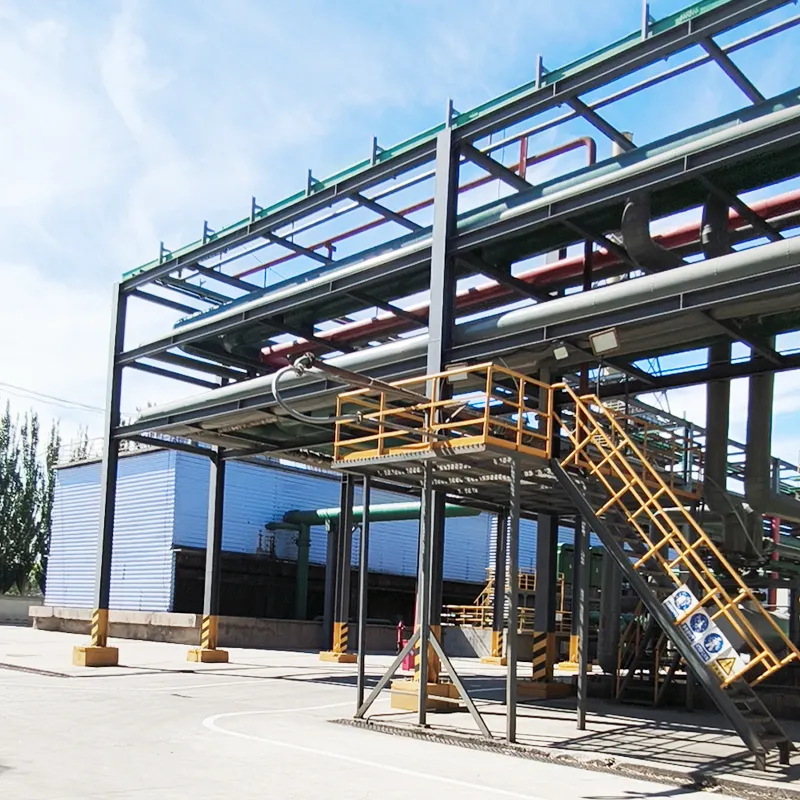
Material Excellence and Manufacturing Precision: The Core of Our Sulfuric Acid Plant
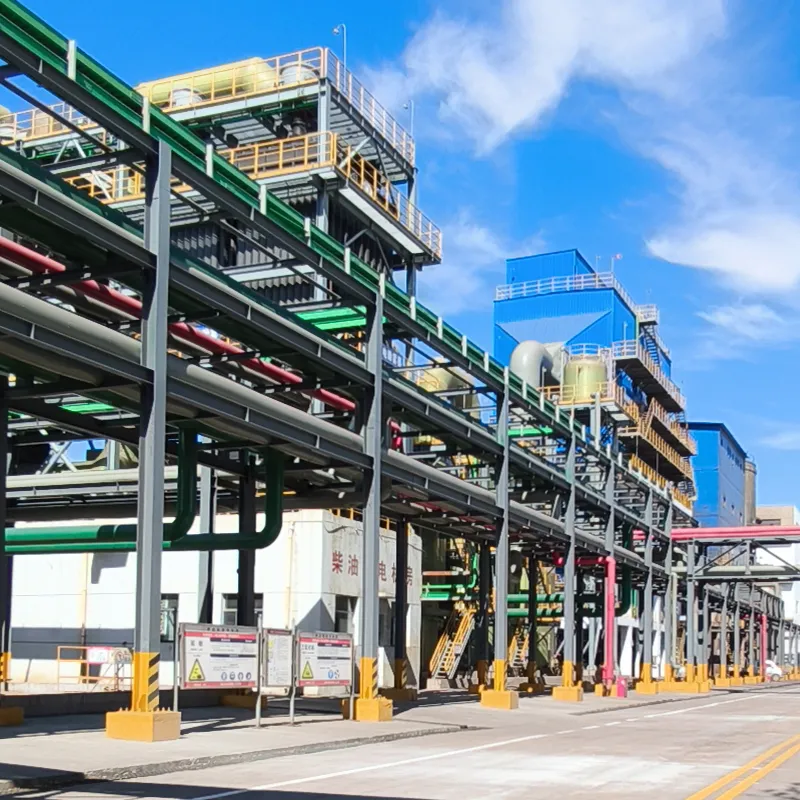
The durability and operational integrity of a sulfuric acid plant heavily rely on the quality of materials and manufacturing processes. Our **Sulfuric Acid Production Line For H2SO4 Plant** prioritizes the use of highly corrosion-resistant materials and precision engineering:
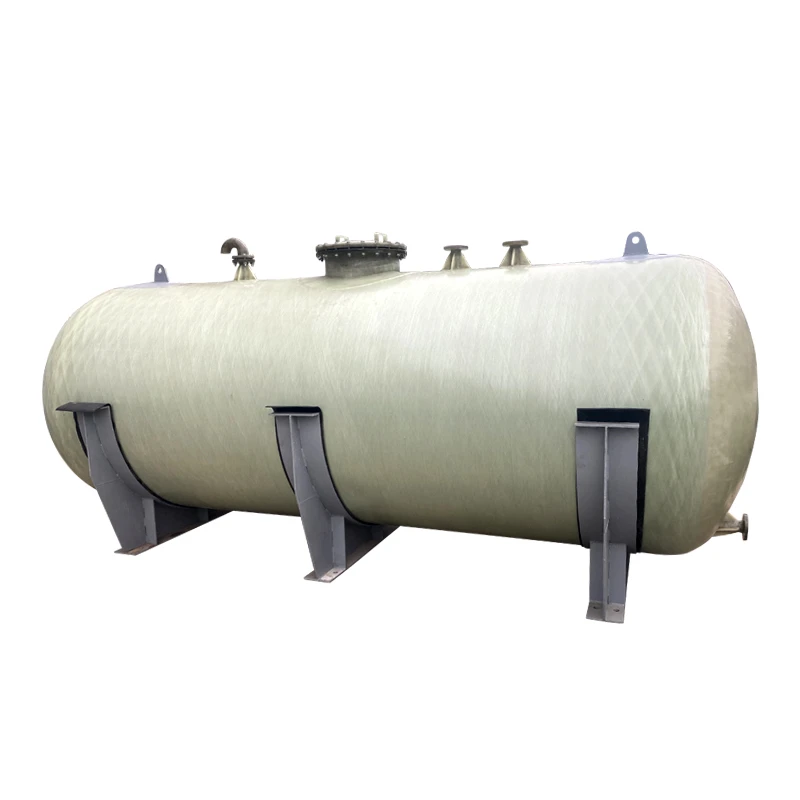
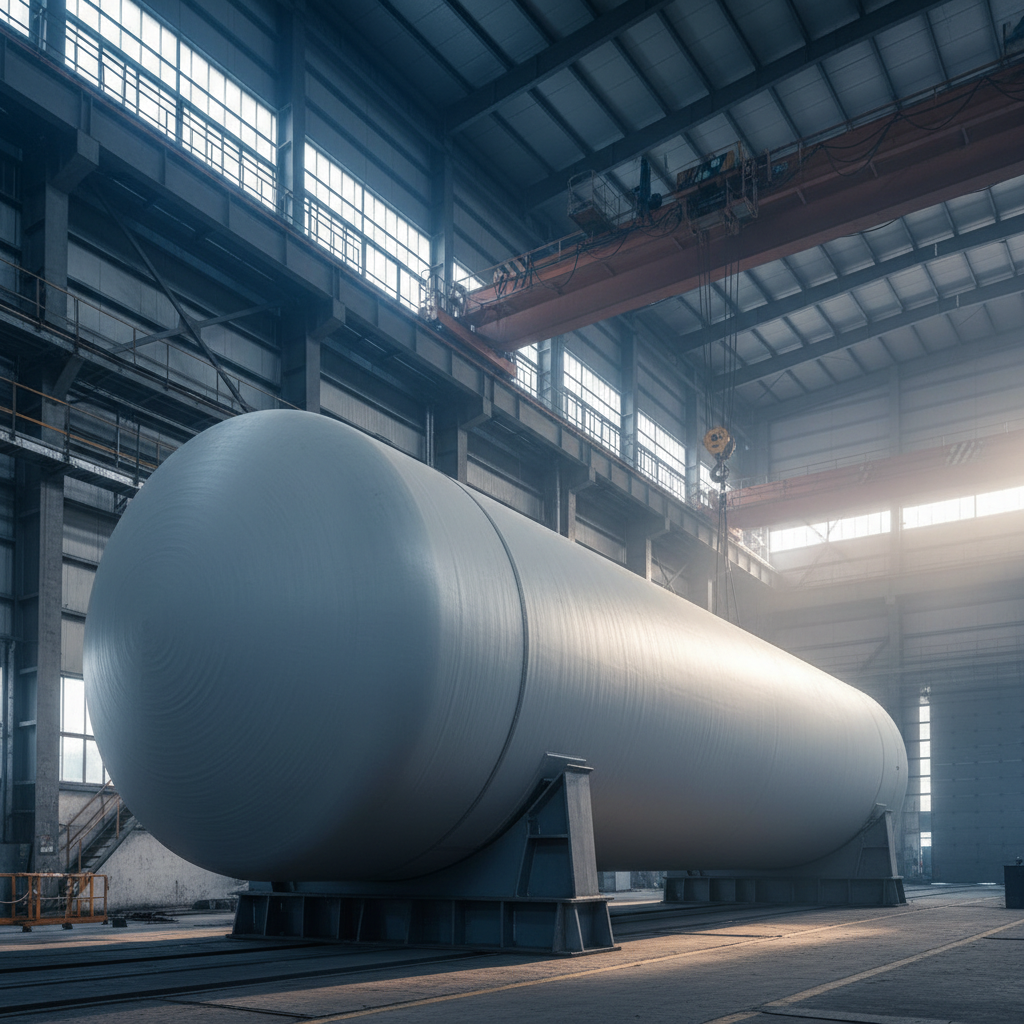
- Product Material: Key components such as absorption towers, acid coolers, and piping are constructed from specialized materials like stainless steel alloys (e.g., 316L, Duplex 2205 for lower concentration areas), proprietary acid-resistant cast iron (e.g., High Silicon Cast Iron - HSCI), or advanced fluoropolymer linings (e.g., PTFE, PFA) for specific corrosive applications. Fans and pumps handling hot, corrosive gases or liquids utilize materials like special alloys (Alloy 20, Hastelloy) or FRP (Fiber Reinforced Polymer) with internal linings.
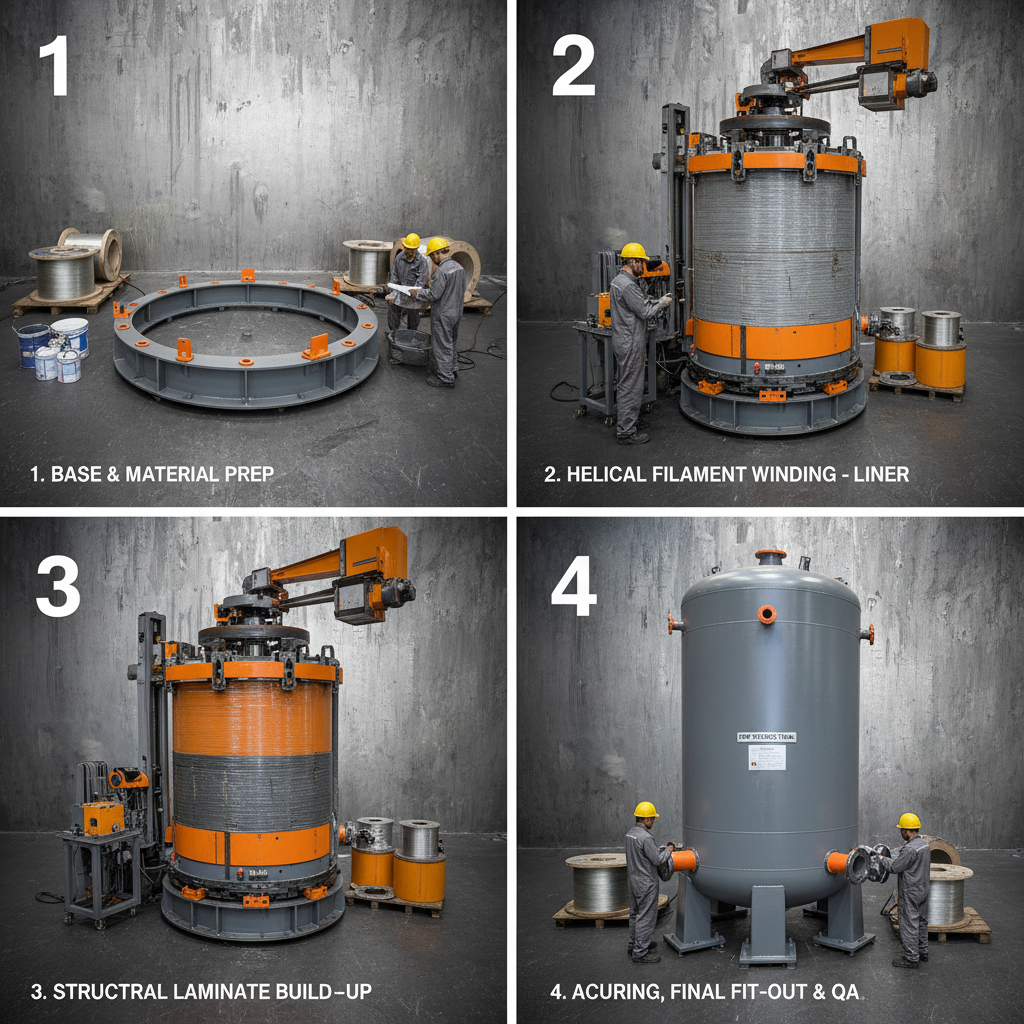
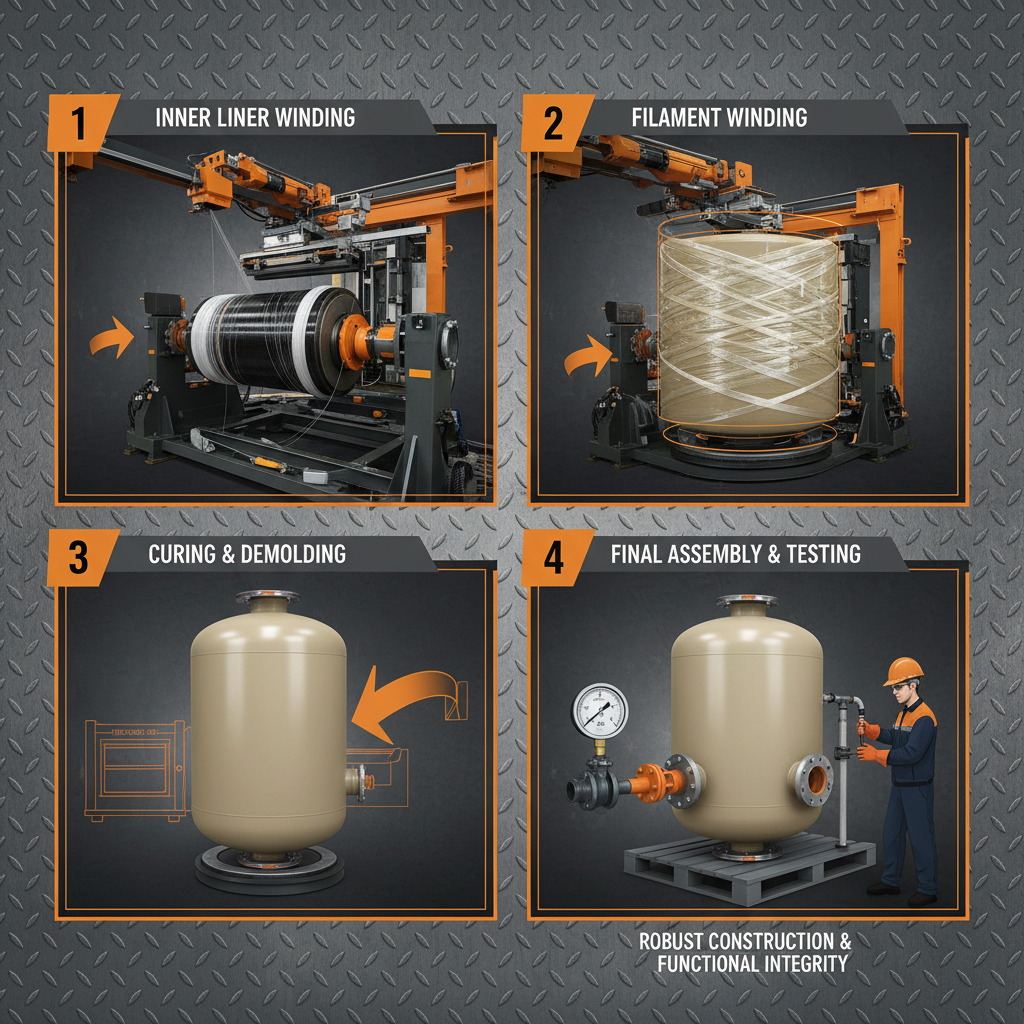
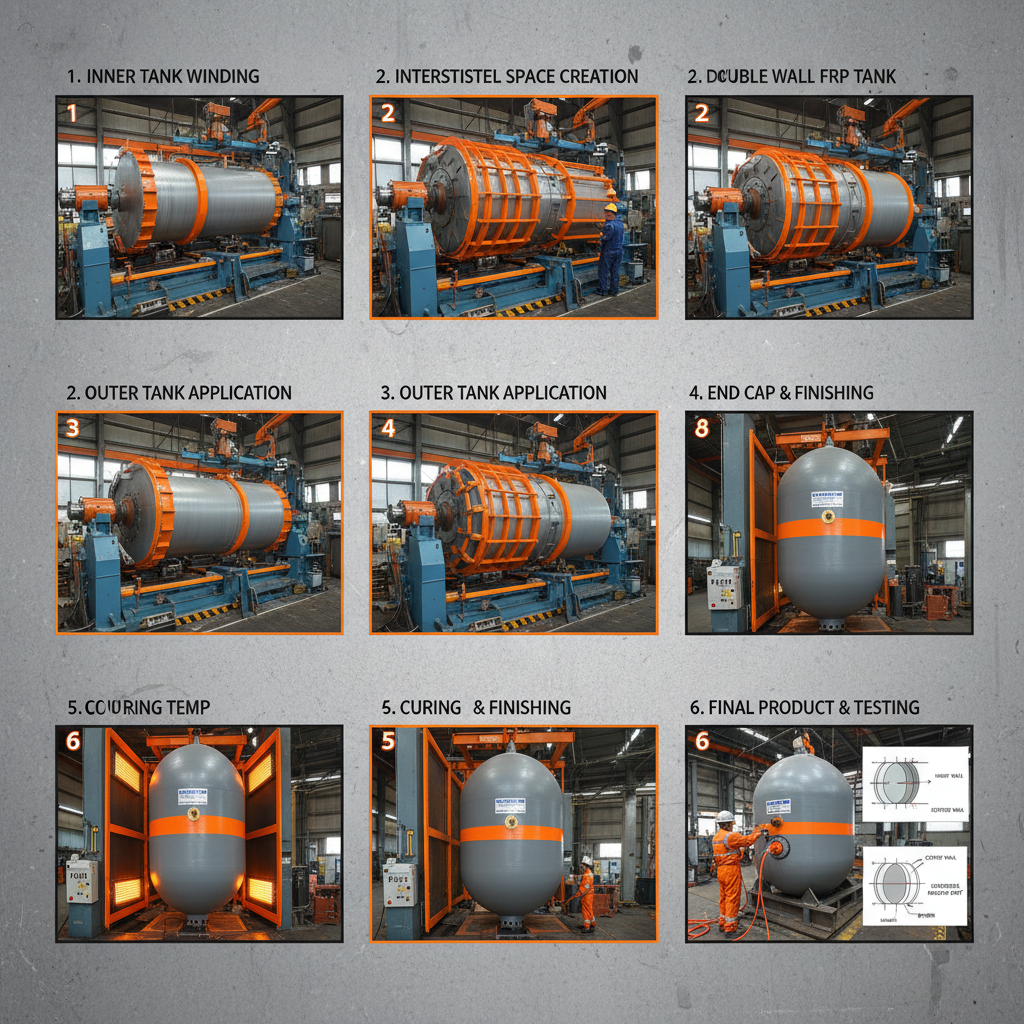
- Manufacturing Process: Our equipment undergoes stringent manufacturing processes including precision **CNC machining** for critical components, advanced **welding techniques** (e.g., TIG, MIG with automated systems) to ensure weld integrity in corrosive environments, and specialized **casting and forging** for high-pressure and high-temperature parts. Each step is meticulously controlled to meet exact specifications.
- Detection Standards: All our equipment adheres to rigorous international testing and quality control standards. This includes, but is not limited to, **ISO 9001:2015** for quality management systems, **ANSI B16.5** for piping flanges, **ASME Boiler and Pressure Vessel Code** for pressure vessels, and relevant **ASTM** standards for material properties. Non-destructive testing (NDT) methods like X-ray inspection, ultrasonic testing, and dye penetrant testing are routinely employed.
- Service Life: Designed for an extended operational lifespan, our production lines typically offer a service life of 20-25 years for major static equipment with proper maintenance, and 7-10 years for wear parts like catalysts and specific pump components. This longevity translates directly into lower lifecycle costs for our clients.
Application Scenarios and Strategic Advantages
Our Sulfuric Acid Production Line For H2SO4 Plant is versatile and adaptable, serving a wide array of industries:
- Petrochemical Industry: Used in alkylation processes, production of various organic chemicals, and petroleum refining for impurity removal. Our lines provide consistent, high-purity acid essential for these sensitive processes.
- Metallurgy & Mining: Crucial for leaching metals (e.g., copper, uranium), pickling steel, and in refining processes. Our robust designs withstand the demanding conditions of metallurgical plants, offering superior corrosion resistance.
- Fertilizer Production: The largest consumer, primarily for producing phosphoric acid (for phosphate fertilizers) and ammonium sulfate. Our energy-efficient designs significantly reduce the cost per ton of sulfuric acid, directly impacting fertilizer production costs.
- Water Treatment & Environmental Protection: Used for pH adjustment, wastewater treatment, and in various effluent control processes. The ability to produce sulfuric acid on-site reduces transportation costs and enhances supply chain reliability.
- Other Chemical Industries: Manufacture of dyes, pigments, detergents, explosives, and pharmaceuticals.
Advantages of Our Sulfuric Acid Plant:
Our solutions stand out due to several key advantages:
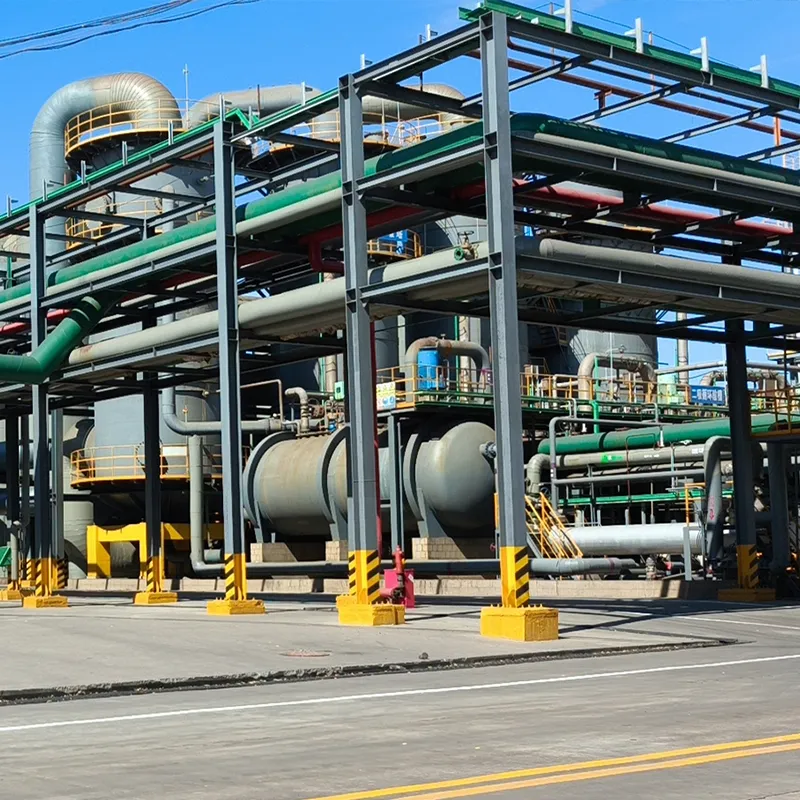
- Energy Efficiency: Integrated heat recovery systems (e.g., boiler sections for steam generation) reduce external energy demand, often resulting in net energy positive operations, where excess steam can be sold or used internally. This significantly lowers operational expenditures, aligning with global energy conservation trends.
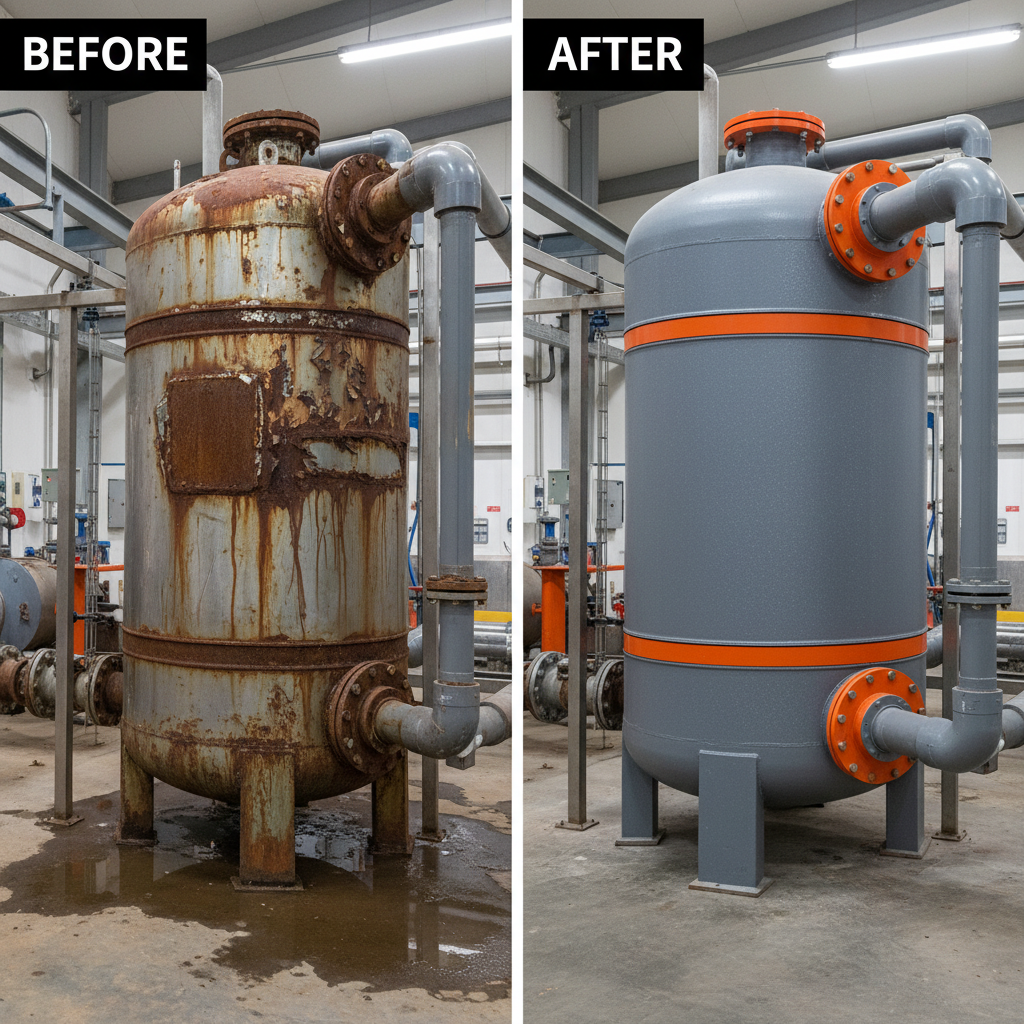
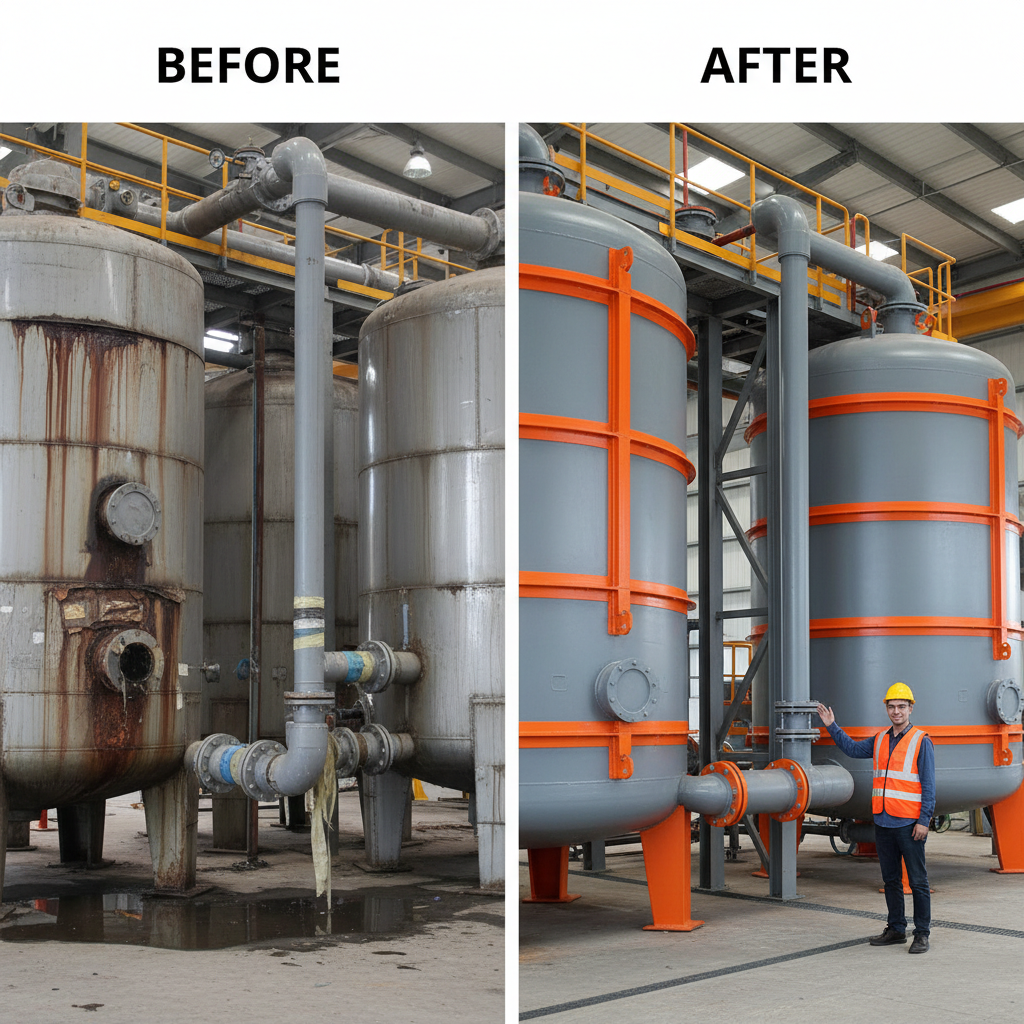
- Superior Anti-Corrosion Performance: Through careful material selection and advanced fabrication techniques, our equipment offers exceptional resistance to highly corrosive sulfuric acid, ensuring prolonged operational life and minimal maintenance. This aligns with **NACE International** standards for corrosion control.
- Environmental Compliance: Our DCDA (Double Catalysis Double Absorption) technology ensures ultra-low SO2 emissions, consistently meeting and often surpassing stringent international environmental regulations such as those set by the US EPA and European Union.
- High Purity Product: Our multi-stage purification and absorption systems guarantee the production of high-grade sulfuric acid, critical for sensitive applications in pharmaceuticals and electronics.
- Automation & Safety: Advanced DCS (Distributed Control System) automation minimizes human intervention, enhances operational stability, and provides comprehensive safety interlocks, adhering to **IEC 61511** standards for functional safety.
Manufacturer Comparison: Why Choose Our Sulfuric Acid Production Line
In a competitive landscape of sulfuric acid manufacturers, discerning the right partner is crucial. While many offer **sulfuric acid production** solutions, our commitment to innovation, quality, and comprehensive client support sets us apart.
Comparison Table: Our Sulfuric Acid Production Line vs. Standard Offerings
| Feature/Aspect | Our Production Line (FRPGRPMachine) | Typical Industry Standard | Benefit to Customer |
|---|---|---|---|
| Conversion Technology | Advanced DCDA (Double Catalysis Double Absorption) | Single Absorption / Basic DCDA | Achieves >99.7% conversion, significantly lower SO2 emissions. |
| Energy Integration | High-efficiency Waste Heat Recovery, Net Energy Producer | Basic Heat Recovery, Energy Neutral/Consumer | Generates surplus steam, reducing utility costs and improving ROI. |
| Material Longevity | Optimized Alloys (HSCI, Specific Stainless Steels, FRP), Extended Lifespan | Standard Cast Iron, Less Specialized Alloys | Reduced maintenance, longer asset life (20+ years for plant). |
| Emission Control | 150-250 mg/Nm3 SO2 | Exceeds global environmental regulations, ensures long-term compliance. | |
| Automation Level | Integrated DCS with advanced safety interlocks (Industry 4.0 ready) | Manual/Semi-automated controls | Enhanced safety, reduced operational errors, lower labor costs. |
| Customization & Support | Full Turnkey, Custom Engineering, Dedicated After-sales | Standard Packages, Limited Customization | Solutions tailored to specific site, capacity, and raw material needs. |
| Certification & Compliance | ISO 9001, ASME, ANSI, Environmental Permits for DCDA | Basic Industry Certifications | Assured quality, safety, and regulatory adherence. |
Tailored Excellence: Customized Sulfuric Acid Production Solutions
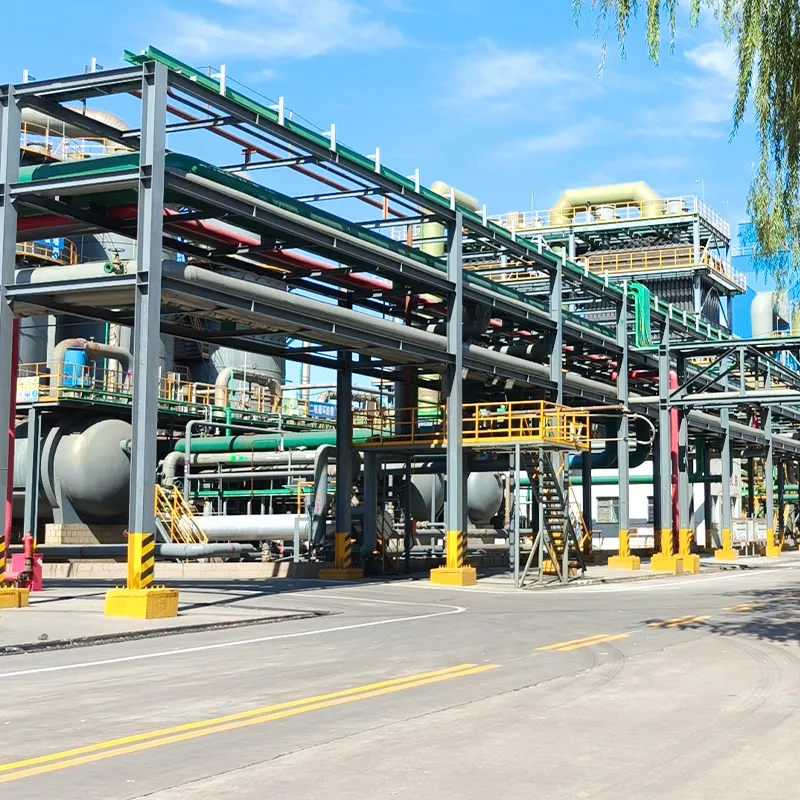
Every industrial project has unique requirements. Our expertise lies in providing fully customized **Sulfuric Acid Production Line For H2SO4 Plant** solutions that perfectly align with your operational scale, available raw materials, site-specific conditions, and environmental objectives. Our consultation process involves:
- Detailed Feasibility Study: Assessing raw material availability (e.g., elemental sulfur, spent acid, pyrites), energy resources, and local regulatory frameworks.
- Capacity Planning: Designing lines from small (e.g., 50 TPD) to very large (e.g., 3000+ TPD) capacities, scalable for future expansion.
- Process Optimization: Selecting the most suitable contact process variant (e.g., DCDA, wet sulfuric acid process) and integrating advanced heat recovery systems.
- Material Selection & Engineering: Recommending specific materials and fabrication techniques based on expected corrosion profiles and desired lifespan.
- Automation & Safety Integration: Developing bespoke control systems and safety protocols that integrate seamlessly with existing plant infrastructure and comply with **OSHA** and local safety standards.
- Waste Management & Emissions Control: Incorporating advanced tail gas treatment (e.g., scrubbing systems) to ensure emissions are well below permissible limits.
Our engineering team works closely with clients from conceptual design to commissioning, ensuring that every aspect of the sulfuric acid production line is optimized for performance, efficiency, and safety. We leverage advanced simulation tools and decades of field experience to mitigate risks and ensure project success.
Application Cases & Client Success Stories
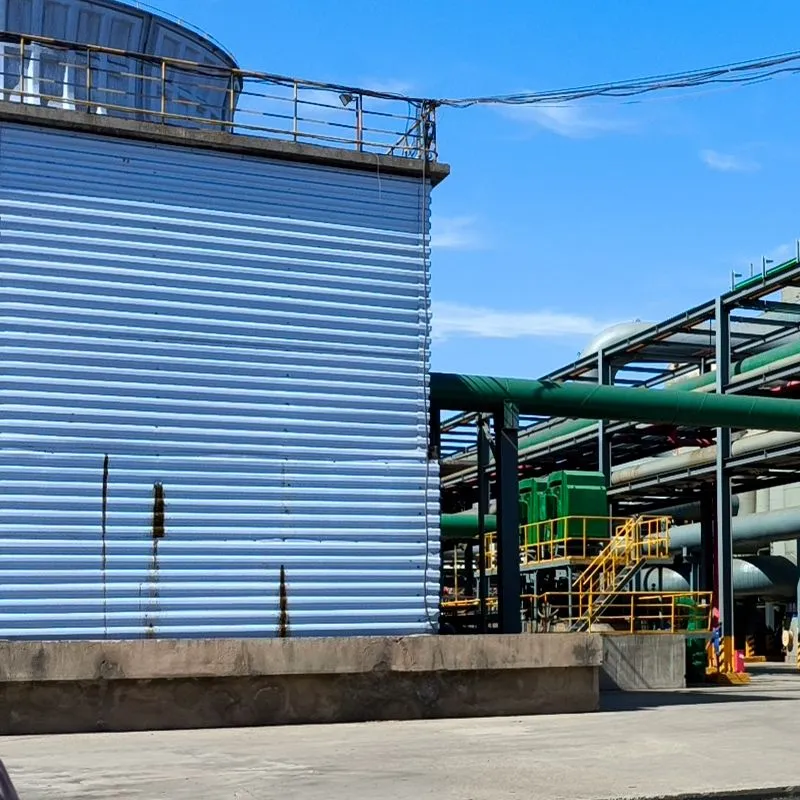
Our track record speaks for itself. We have successfully designed, built, and commissioned numerous **Sulfuric Acid Production Line For H2SO4 Plant** projects globally, delivering tangible benefits to our clients. These experiences underscore our commitment to excellence and reliability in sulphuric acid production.
"Our new sulfuric acid plant from FRPGRPMachine has been a game-changer for our fertilizer complex. The energy recovery system alone has cut our operational costs by nearly 20%, and their ongoing technical support has been exceptional. The SO2 emissions are virtually non-existent, which is vital for our environmental commitments."
– Plant Manager, Large Phosphate Fertilizer Producer, Middle East
- Case Study 1: Large-Scale Chemical Complex Expansion (Southeast Asia)
Installed a 2000 TPD DCDA sulfuric acid plant with integrated co-generation. Project completed 3 months ahead of schedule. Post-commissioning data showed energy efficiency surpassing initial projections by 7%, leading to substantial cost savings and a quick ROI. - Case Study 2: Mining & Metallurgy Sector (South America)
Engineered a specialized 500 TPD sulfuric acid production line optimized for challenging raw materials (high-arsenic sulfur concentrate). The plant incorporated advanced purification and emission control to meet stringent local environmental standards, enabling the client to expand their copper leaching operations sustainably. - Case Study 3: Recycled Acid Regeneration (Europe)
Developed a bespoke solution for regenerating spent sulfuric acid from an organic chemical plant, transforming waste into a valuable resource. The system's robustness and efficiency significantly reduced the client's waste disposal costs and raw material procurement, demonstrating our capability in sustainable chemical production.
Trust and Reliability: Our Commitment
Our commitment extends beyond delivering cutting-edge technology. We build lasting partnerships through transparency, reliability, and unparalleled support. Our adherence to **Google EEAT (Expertise, Experience, Authoritativeness, Trustworthiness)** principles is ingrained in our business operations:
- Expertise: Decades of specialized experience in designing and implementing sulfuric acid production technologies globally. Our team comprises highly qualified chemical engineers, mechanical engineers, and process control specialists.
- Experience: A portfolio of successful projects across diverse industries and geographical regions, with a strong emphasis on practical, real-world application and problem-solving.
- Authoritativeness: Recognized as a trusted sulfuric acid manufacturer and engineering firm, evidenced by our ISO certifications (ISO 9001, ISO 14001, ISO 45001), industry awards, and long-standing client relationships. We are proud members of relevant industry associations, contributing to advancements in chemical engineering.
- Trustworthiness: Providing clear contractual terms, transparent project timelines, comprehensive warranties, and dedicated post-sales support.
Delivery & Warranty
Delivery Cycle: The typical delivery cycle for a complete **Sulfuric Acid Production Line For H2SO4 Plant** ranges from 12 to 24 months, depending on capacity, complexity, and customization. This includes design, fabrication, logistics, installation, and commissioning. Detailed project schedules are provided and rigorously managed.
Quality Assurance & Warranty: All equipment is manufactured under strict quality control protocols, undergoing multiple inspections and tests. We offer a standard 12-month warranty from commissioning or 18 months from delivery (whichever comes first) on all our manufactured components, covering defects in material and workmanship. Extended warranties and service agreements are also available.
Customer Support: Our dedicated customer support team and field engineers are available 24/7 for technical assistance, troubleshooting, spare parts supply, and maintenance services, ensuring minimal downtime and maximum operational efficiency for your sulfuric acid plant.
Professional FAQ on Sulfuric Acid Production
1. What is the typical material used for the main absorption tower in a sulfuric acid plant?
The main absorption tower, handling concentrated sulfuric acid and hot SO3 gas, is typically constructed from high-silicon cast iron (HSCI) or specialized stainless steel alloys like Duplex 2205 or even Alloy 20 for specific zones. These materials are chosen for their exceptional resistance to corrosion from concentrated H2SO4 at high temperatures, ensuring long-term structural integrity.
2. How does the Double Catalysis Double Absorption (DCDA) process improve sulfuric acid production efficiency?
DCDA involves absorbing SO3 after a partial conversion stage, then re-heating the remaining SO2 and converting it further in a second catalytic stage before final absorption. This intermediate absorption shifts the equilibrium of the SO2-SO3 conversion reaction, significantly increasing the overall conversion rate (typically >99.7%) and drastically reducing unreacted SO2 emissions from the stack, making the process more environmentally friendly and efficient.
3. What are the primary safety measures integrated into a modern sulfuric acid plant?
Safety measures include robust material selection for corrosion resistance, sophisticated DCS (Distributed Control System) for real-time monitoring and automated shutdowns, comprehensive interlock systems to prevent hazardous conditions, emergency scrubbers for gas leaks, acid spill containment systems, personal protective equipment (PPE) requirements, and regular safety audits and training programs, adhering to international safety standards like NFPA and OSHA.
4. Can your sulfuric acid production line utilize spent acid as a raw material?
Yes, our production lines can be designed to incorporate spent acid regeneration (SAR) units. This process involves decomposing spent acid back into SO2 gas at high temperatures, followed by purification and re-conversion to fresh sulfuric acid. This offers a sustainable solution for industries generating spent acid, reducing waste and raw material costs. Customization is key for such integrated systems.
5. What are the typical dimensions for a 1000 TPD sulfuric acid plant?
The footprint for a 1000 TPD (Tons Per Day) sulfuric acid plant can vary significantly based on process configuration (e.g., DCDA vs. single absorption), specific equipment layout, and auxiliary units (e.g., power generation, cooling towers, storage tanks). Generally, a 1000 TPD plant might require a land area of approximately 20,000 to 40,000 square meters (2-4 hectares), including tank farms and utility areas. Our engineers can provide precise layout plans during the design phase.
6. What testing standards do your components meet?
Our components meet various international standards including **ISO 9001:2015** for quality management, **ASME Boiler and Pressure Vessel Code** for pressure equipment, **ANSI/API standards** for piping and valves, and relevant **ASTM** material specifications. We also conduct extensive non-destructive testing (NDT) such as ultrasonic, radiographic, and magnetic particle inspection to ensure the integrity of welds and materials. All process control systems comply with **IEC 61508/61511** for functional safety.
7. How does the **sulfuric acid production** line handle generated heat?
The sulfuric acid production process is highly exothermic at several stages (sulfur burning, catalytic conversion, SO3 absorption). Our lines integrate sophisticated waste heat recovery boilers that capture this heat to generate high-pressure steam. This steam can then be used for internal plant processes, power generation (co-generation), or exported to nearby industrial facilities, significantly improving the plant's energy efficiency and reducing operating costs. Acid coolers also remove excess heat from the produced acid.
References and Further Reading:
- "Sulfuric Acid Market Size, Share & Trends Analysis Report" - Grand View Research. https://www.grandviewresearch.com/industry-analysis/sulfuric-acid-market
- "Sulfuric Acid: The World's Most Important Industrial Chemical" - American Chemical Society. https://pubs.acs.org/doi/10.1021/ed085p593
- "Environmental Protection Agency (EPA) Standards for Sulfuric Acid Plants" - U.S. EPA. https://www.epa.gov/air-pollution-control-technology/sulfuric-acid-plants
- "Kirk-Othmer Encyclopedia of Chemical Technology" - John Wiley & Sons. (General academic reference for chemical processes). https://onlinelibrary.wiley.com/doi/book/10.1002/0471238961
- "Handbook of Sulfuric Acid Manufacturing" - N.N. Bouncher. (Specific industry reference).
For more detailed technical specifications or to discuss your specific project requirements for a sulfuric acid production line, please contact our experts.