Oct 12,2025

Calcium Chloride Production Line - High Yield Turnkey

calcium chloride production line, calcium chloride production, calcium chloride processing plant, calcium chloride producers, cacl2 production is a key solution in the manufacturing industry, specifically within Special Equipment Manufacturing Industry and Manufacturing of specialized equipment for chemical and pharmaceutical industries. This article explores how Hebei Aoliande Chemical Equipment Co., Ltd. supports professionals with durable, high-performance products, and explains why this product is an ideal choice for businesses in these sectors.
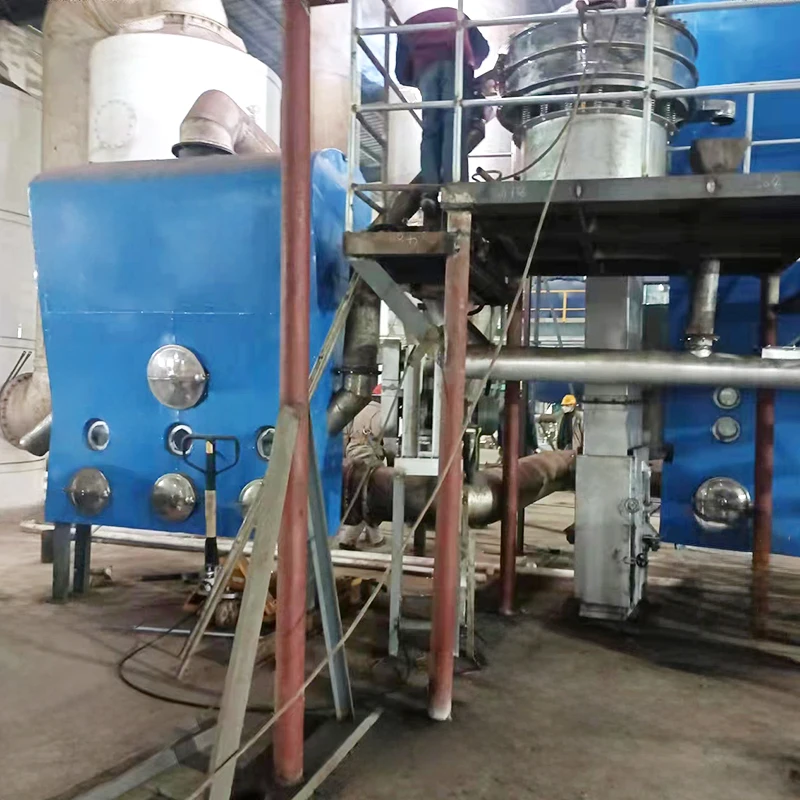
Calcium Chloride Production Line - High Yield Turnkey

Table of Contents

calcium chloride production line, calcium chloride production, calcium chloride processing plant, calcium chloride producers, cacl2 production Overview

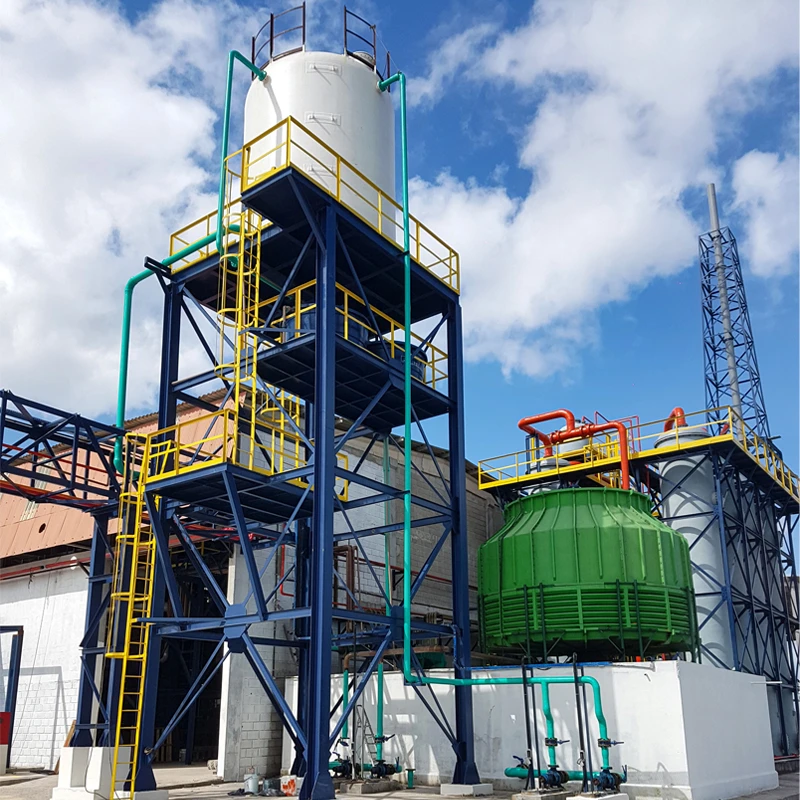
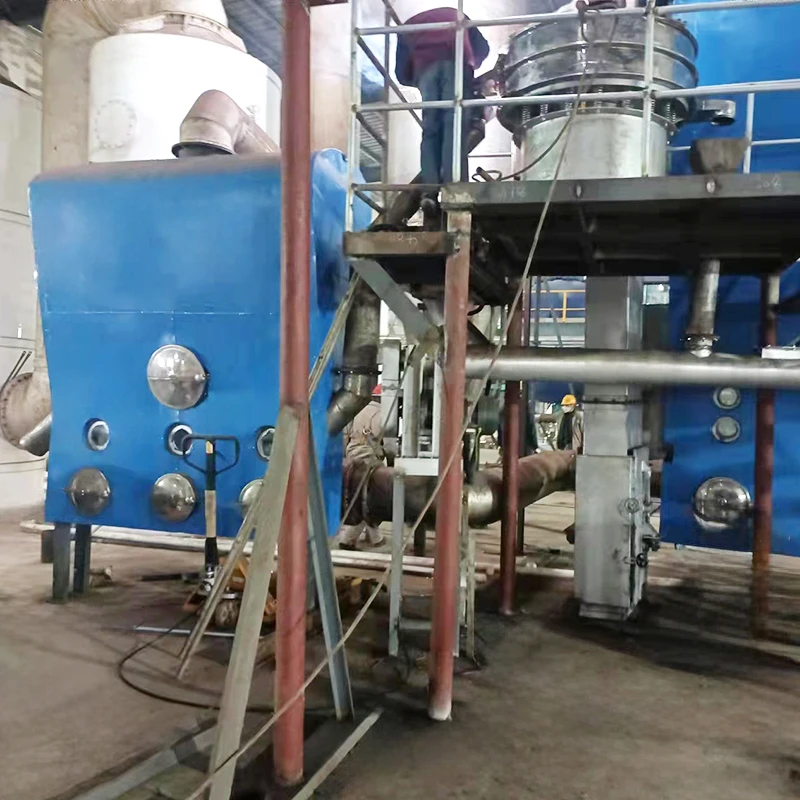
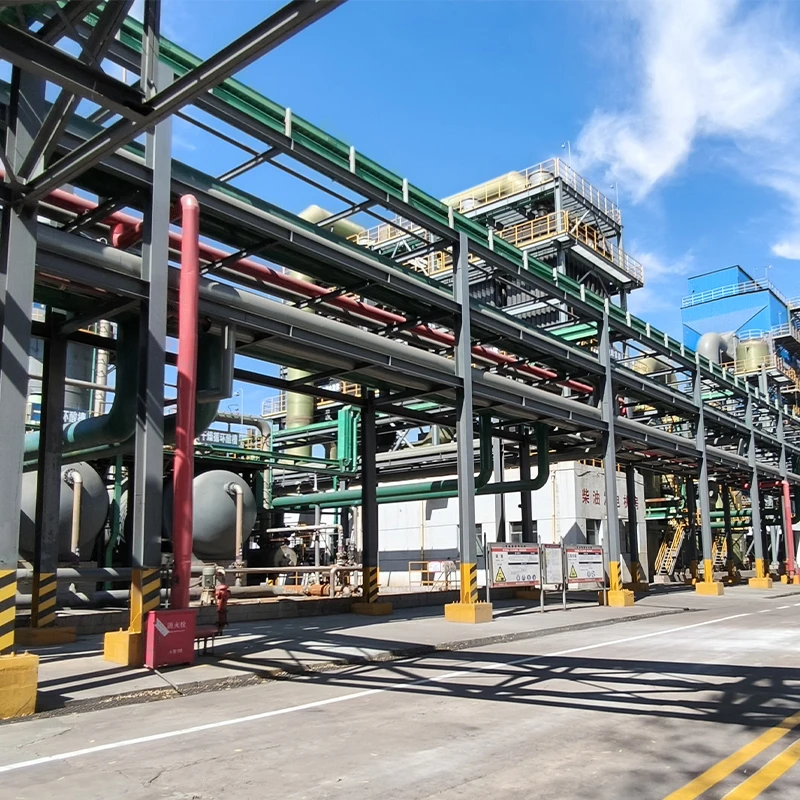
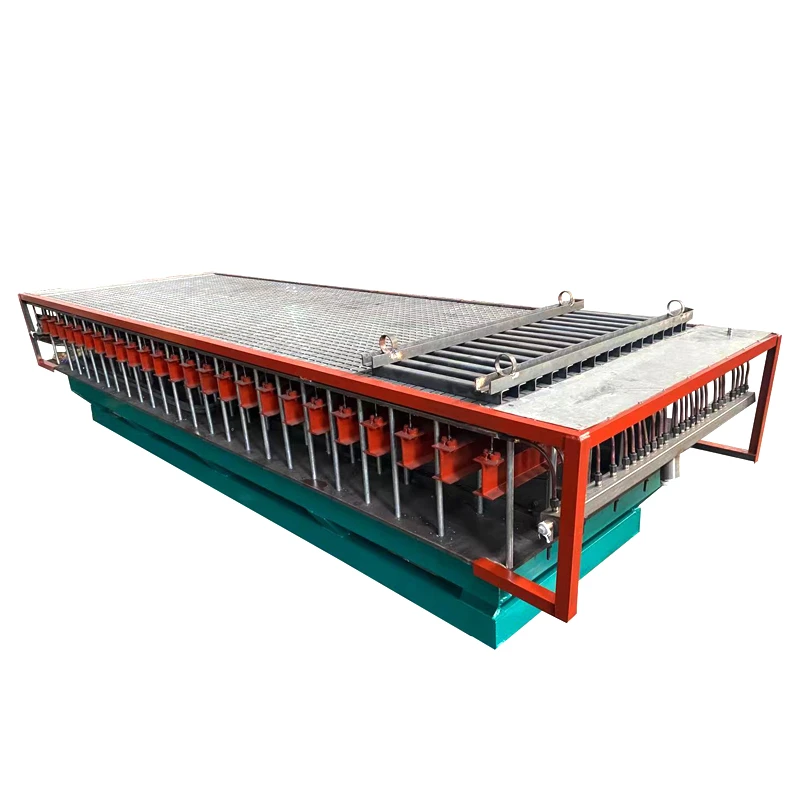
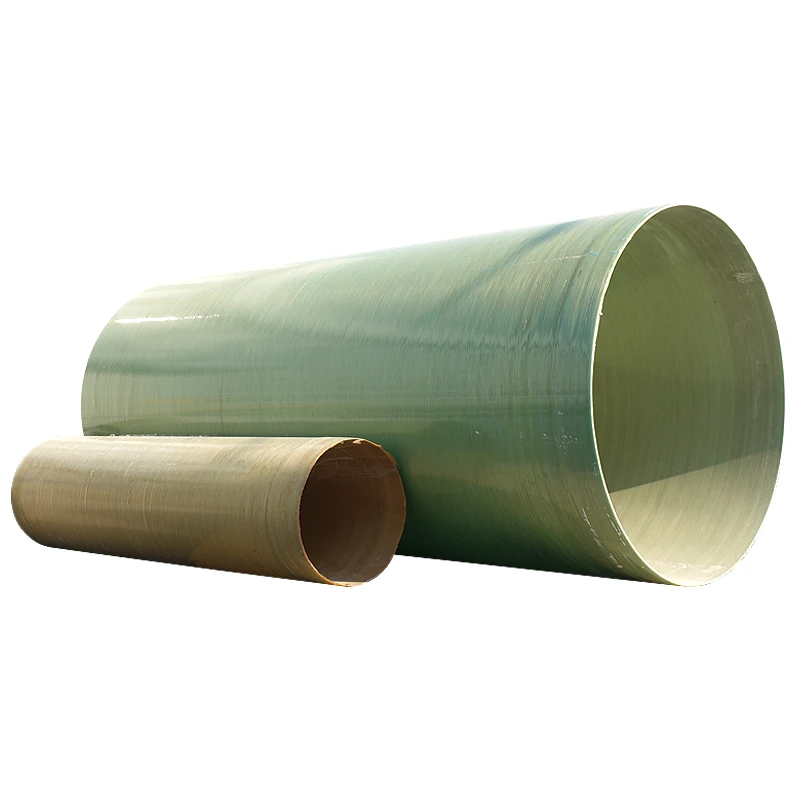
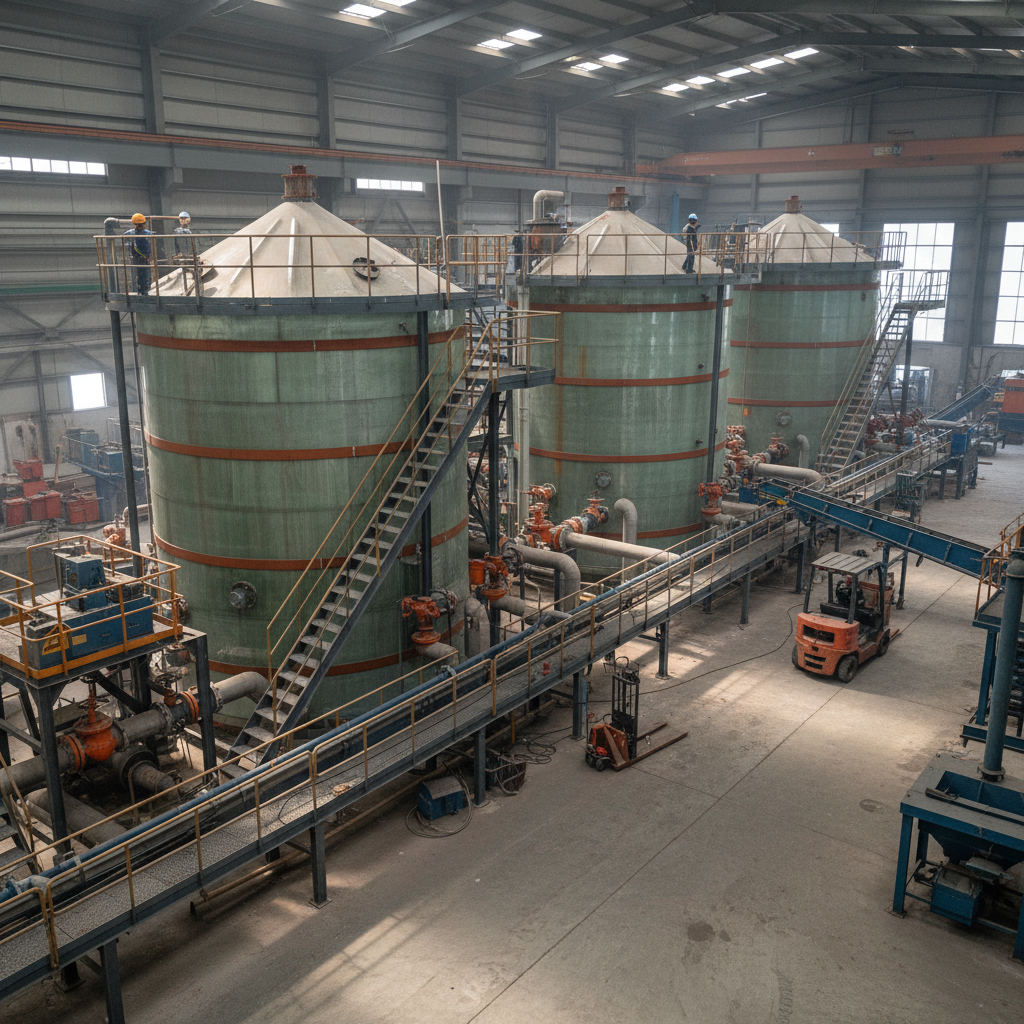
A modern calcium chloride production line combines corrosion-resistant process equipment, precision controls, and efficient thermal systems to deliver consistent CaCl2 concentrations in liquid, flake, or pellet form. Typical routes include neutralization of hydrochloric acid with limestone (CaCO3) or hydrated lime (Ca(OH)2), and concentration by multi-effect or MVR evaporation, followed by flaking/pelletizing and drying. For demanding chemical and pharmaceutical supply chains, process stability and material compatibility are essential. Hebei Aoliande Chemical Equipment Co., Ltd. engineers each calcium chloride processing plant with FRP/GRP, rubber-lined or duplex stainless steel contact surfaces where appropriate, mitigating chloride stress corrosion and extending lifecycle.

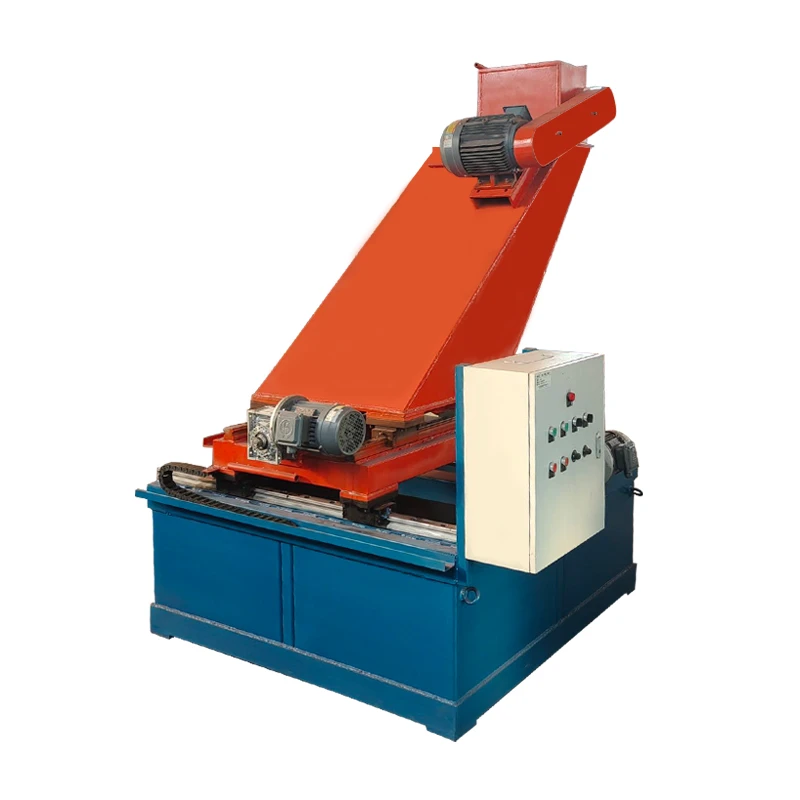
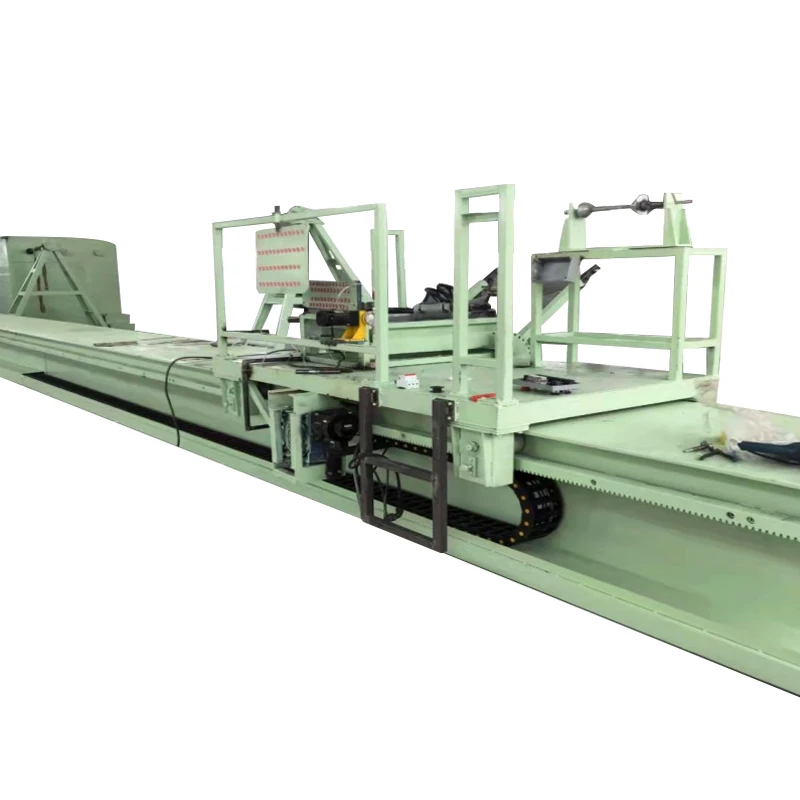
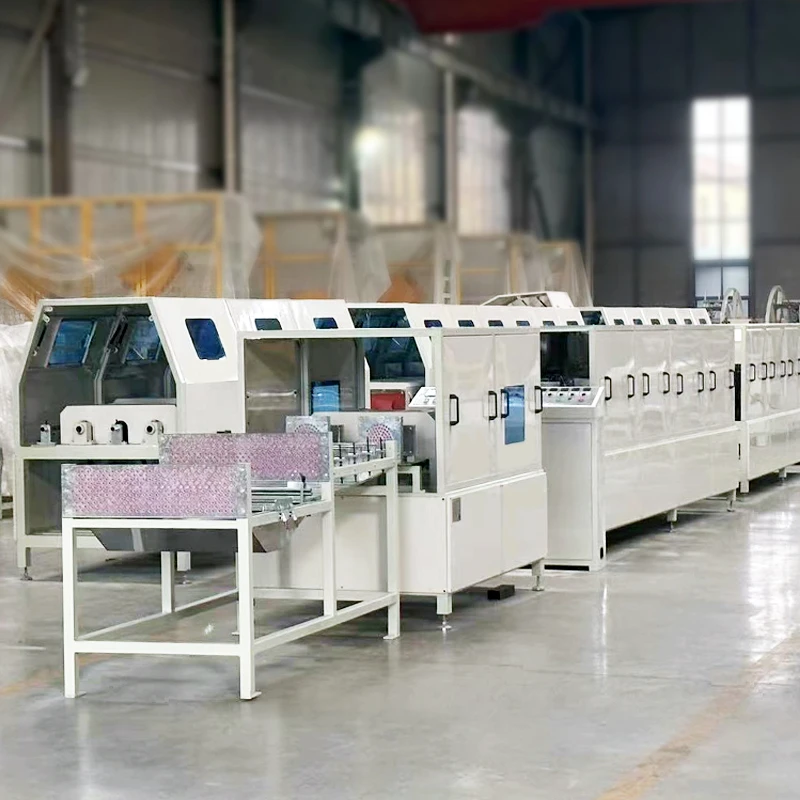
Key specifications often include throughput from 5,000–100,000+ t/y, automated pH and density control, brine filtration with media or cartridge systems, and energy-optimized evaporation (steam, thermal oil, or MVR). Control systems (PLC/SCADA) ensure tight control of CaCl2 concentration (e.g., 32–40% liquid; 74–77% flakes; 94–97% pellets) and impurity management. As experienced calcium chloride producers’ equipment partner, Hebei Aoliande provides modular skids for reaction, clarification, evaporation, and packaging, reducing on-site integration risk and accelerating commissioning.

Benefits & Use Cases of calcium chloride production line, calcium chloride production, calcium chloride processing plant, calcium chloride producers, cacl2 production in Manufacturing of specialized equipment for chemical and pharmaceutical industries

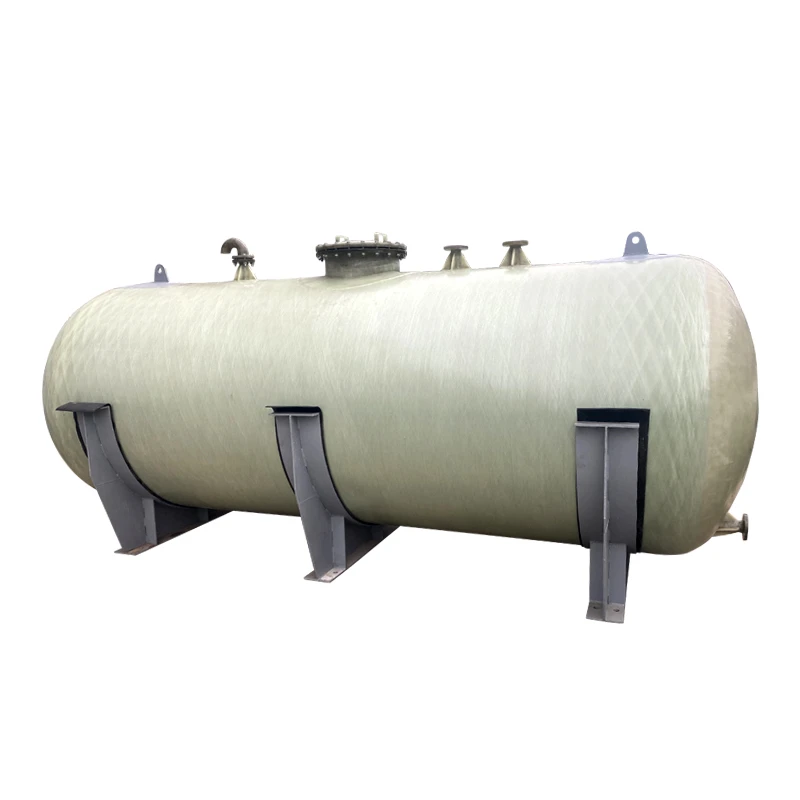
In the Manufacturing of specialized equipment for chemical and pharmaceutical industries, CaCl2 systems must address corrosion, hygiene, and uptime. Hebei Aoliande’s calcium chloride processing plant solutions feature corrosion-resistant reactors, heat exchangers, and evaporators sized for stable residence times, ensuring consistent reaction kinetics and minimized scaling. Automated CIP options, anti-fouling heat transfer surfaces, and robust solids-handling (filters, centrifuges) sustain productivity while keeping maintenance predictable.

Use cases include:
- Dedicated cacl2 production units for industrial de-icing, dust suppression, oilfield drilling fluids, and desiccant-grade pellets.
- Integrated lines for calcium chloride producers seeking by-product valorization (e.g., from hydrochloric acid streams), with brine pre-treatment and impurity control for downstream quality.
- Pharmaceutical-adjacent applications where stable liquid CaCl2 concentration and low metals content support further synthesis steps or lab-grade media preparation.

Competitive advantages include high energy efficiency via multi-effect/MVR evaporation, closed-loop condensate recovery, and precise density control. Hebei Aoliande Chemical Equipment Co., Ltd. leverages deep process and materials expertise to tailor reactor geometry, evaporator type, and dryer/flaker selection for target specifications, helping clients scale from pilot to full production with repeatable quality and reduced operating cost.

Cost, Maintenance & User Experience

Total cost of ownership for a calcium chloride production line hinges on energy, utilities, and downtime. By integrating MVR or optimized multi-effect evaporators, steam consumption can be significantly reduced (often 60–80% versus single-effect), translating into shorter payback periods. FRP/GRP and duplex SS wetted parts lower corrosion-related replacement costs. Automated density/pH controls cut waste and rework, while predictive maintenance (vibration/temperature monitoring on pumps and agitators) lowers unplanned outages.

Customers in the Special Equipment Manufacturing Industry frequently report:
- Faster commissioning thanks to modular skids and clear P&IDs.
- Stable CaCl2 concentration with minimal operator intervention.
- Easier cleaning via CIP manifolds and sanitary design on critical sections.

Routine maintenance focuses on pump seals, heat exchanger descaling, and filter media changes. Hebei Aoliande provides spare parts kits, training, and remote support to sustain high OEE. For B2B decision makers, the ROI case is strengthened by energy savings, reduced chemical consumption (optimized acid/base dosing), and prolonged asset life—key levers in competitive cacl2 production markets.

Sustainability & Market Trends in manufacturing

Demand for CaCl2 continues to rise in de-icing, dust control, concrete acceleration, and oil & gas. Concurrently, regulators emphasize emissions reduction, wastewater minimization, and worker safety. Advanced calcium chloride production embraces brine reuse, condensate recovery, and optional zero-liquid-discharge (ZLD) architectures where required. Enclosures and scrubbers mitigate acid mist; closed-loop dosing reduces off-spec batches and waste.

Hebei Aoliande Chemical Equipment Co., Ltd. designs calcium chloride processing plants to help clients meet stringent environmental and quality standards, with options to support compliance pathways such as REACH and GMP-adjacent practices where applicable. Energy-efficient evaporation, heat integration, and high-efficiency motors align with decarbonization targets, while automated data logging supports audit readiness and continuous improvement. As the market shifts toward higher-purity and application-specific grades, flexible unit operations—reaction, clarification/filtration, evaporation, drying, and packaging—enable rapid grade changes without compromising throughput or sustainability goals.

Conclusion on calcium chloride production line, calcium chloride production, calcium chloride processing plant, calcium chloride producers, cacl2 production from Hebei Aoliande Chemical Equipment Co., Ltd.

A purpose-built calcium chloride production line is central to reliable, cost-effective calcium chloride production. For calcium chloride producers seeking high uptime, tight quality control, and lower energy intensity, Hebei Aoliande Chemical Equipment Co., Ltd. delivers engineered systems that scale, comply, and perform. From brine preparation to evaporation and final packaging, our calcium chloride processing plant solutions help you produce consistent CaCl2 grades with confidence.

Contact us: email: bella@aldfrp.com
Visit our website: https://www.frpgrpmachine.com
Upsell Products
Upsell News
Durable FRP Vessel for Water Treatment and Industrial Filtration
Apr 16,2026
Durable FRP Vessel for Water Treatment and Industrial Filtration
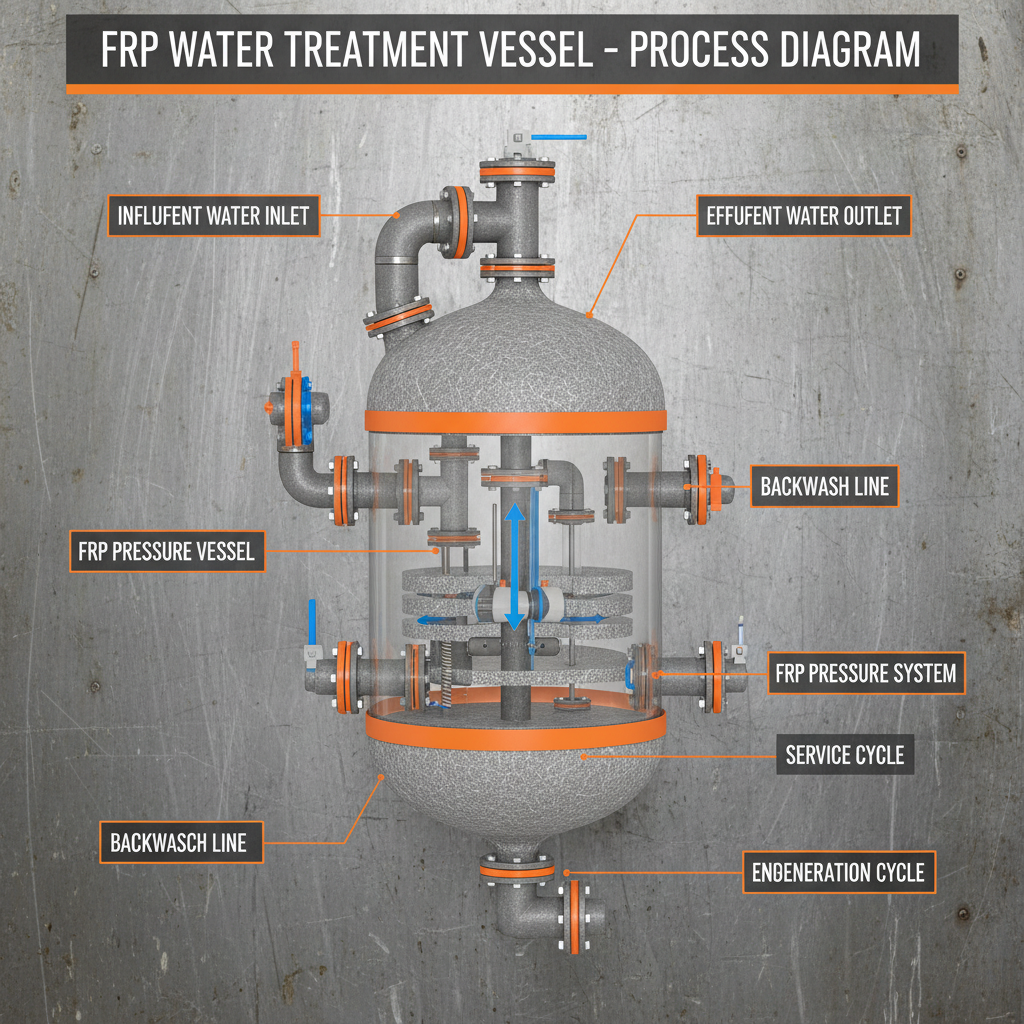
In the modern era of industrial and residential water purification, the choice of containment materials is critical for efficiency and longevity. An frp vessel for water treatment has emerged as the gold standard, replacing traditional steel tanks due to its superior corrosion resistance and lightweight properties. Whether you are dealing with desalination, softening, or filtration, using Fiber Reinforced Plastic (FRP) ensures that your system remains leak-proof and durable against aggressive chemicals. In this comprehensive guide, we will explore why FRP is the preferred choice for water treatment professionals worldwide and how to select the right vessel for your specific application.
Industrial Guide for Choosing the Right FRP Vertical Tank
Apr 09,2026
Industrial Guide for Choosing the Right FRP Vertical Tank
In today's industrial landscape, the storage of corrosive chemicals and aggressive liquids requires materials that can withstand extreme conditions without degrading. The frp vertical tank has emerged as a premier solution, offering an exceptional balance of strength, lightweight properties, and unmatched chemical resistance. Whether you are managing a water treatment plant or a chemical processing facility, understanding the nuances of Fiber Reinforced Plastic (FRP) is essential for ensuring operational safety and longevity. In this comprehensive guide, we will explore why vertical configurations are preferred and how these tanks outperform traditional metal alternatives.
Comprehensive Guide to FRP Underground Water Tank Solutions and Applications
Apr 07,2026
Comprehensive Guide to FRP Underground Water Tank Solutions and Applications
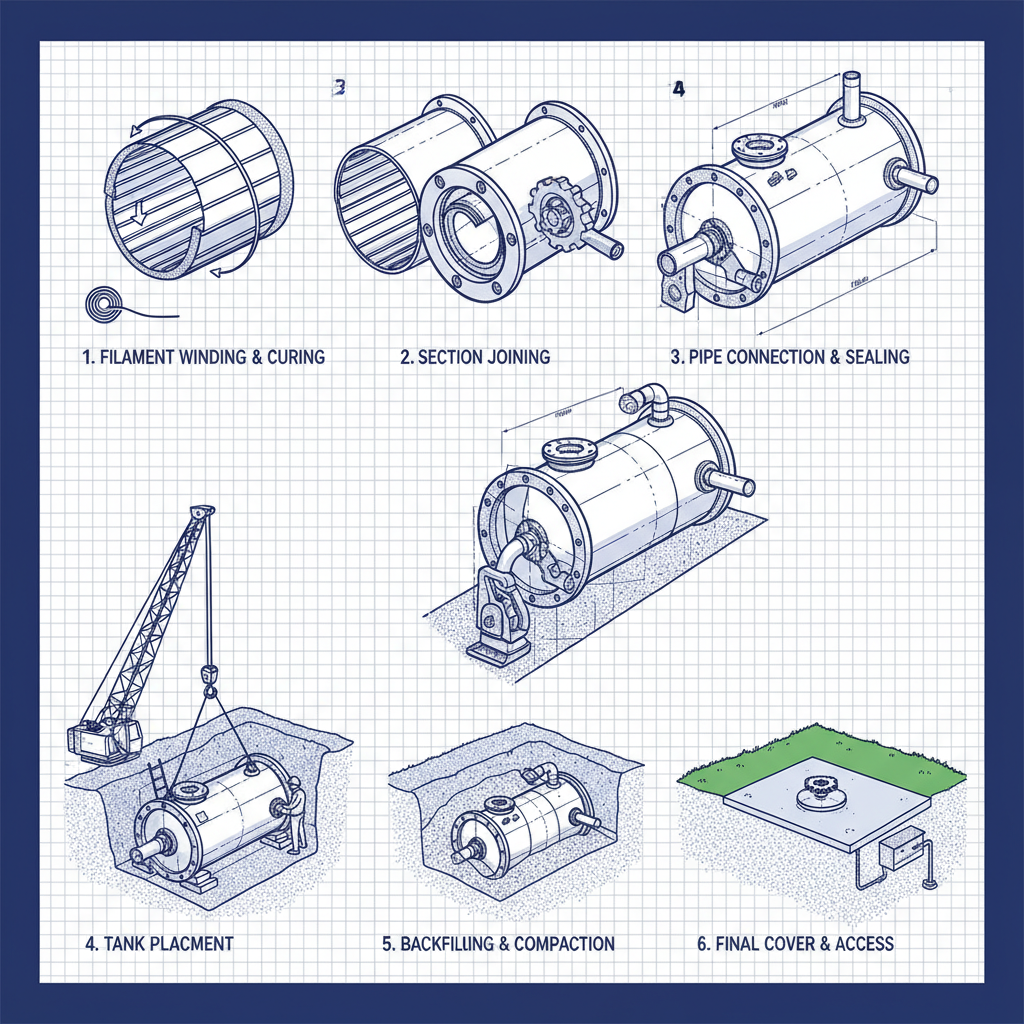
Fiberglass Reinforced Polymer (FRP) underground water tanks are becoming increasingly popular for a wide range of applications, from potable water storage to industrial wastewater containment. Their superior corrosion resistance, lightweight nature, and design flexibility make them an excellent alternative to traditional materials like concrete or steel. This article will delve into the benefits, applications, construction, and considerations for implementing FRP underground water tanks, providing a comprehensive overview for engineers, contractors, and project managers.
Comprehensive Guide to Frp Underground Water Storage Tanks and Their Applications
Apr 04,2026
Comprehensive Guide to Frp Underground Water Storage Tanks and Their Applications
When considering water storage solutions, particularly for industrial, agricultural, or municipal applications, frp underground water storage tanks stand out as a durable, cost-effective, and environmentally friendly option. These tanks are increasingly favored over traditional materials like concrete or steel due to their superior corrosion resistance, lighter weight, and ease of installation. This article delves into the benefits, applications, construction, and considerations when choosing an FRP tank, providing a detailed overview for potential buyers and project planners.
Comprehensive Guide to Frp Underground Storage Tanks for Reliable Storage Solutions
Mar 31,2026
Comprehensive Guide to Frp Underground Storage Tanks for Reliable Storage Solutions
Fiberglass Reinforced Polymer (FRP) underground storage tanks are becoming increasingly popular for a wide range of applications, from fuel storage to wastewater management. Their corrosion resistance, lightweight nature, and durability offer significant advantages over traditional materials like steel. This article will provide an in-depth look at FRP underground storage tanks, covering their benefits, applications, installation, and maintenance. Understanding these aspects is crucial for making informed decisions about long-term storage solutions.
Comprehensive Guide to Selecting the Ideal FRP Tank for Water Storage Solutions
Mar 28,2026
Comprehensive Guide to Selecting the Ideal FRP Tank for Water Storage Solutions
When it comes to reliable and durable water storage, FRP tanks for water are increasingly becoming the preferred solution for a wide range of applications. These tanks, constructed from Fiber Reinforced Polymer (FRP) materials, offer significant advantages over traditional storage options like steel or concrete. This article delves into the benefits, applications, and considerations when selecting an FRP tank for your water storage needs, providing a detailed overview for businesses and individuals alike.
Comprehensive Guide to Frp Tank and Vessel Applications and Manufacturing
Mar 26,2026
Comprehensive Guide to Frp Tank and Vessel Applications and Manufacturing
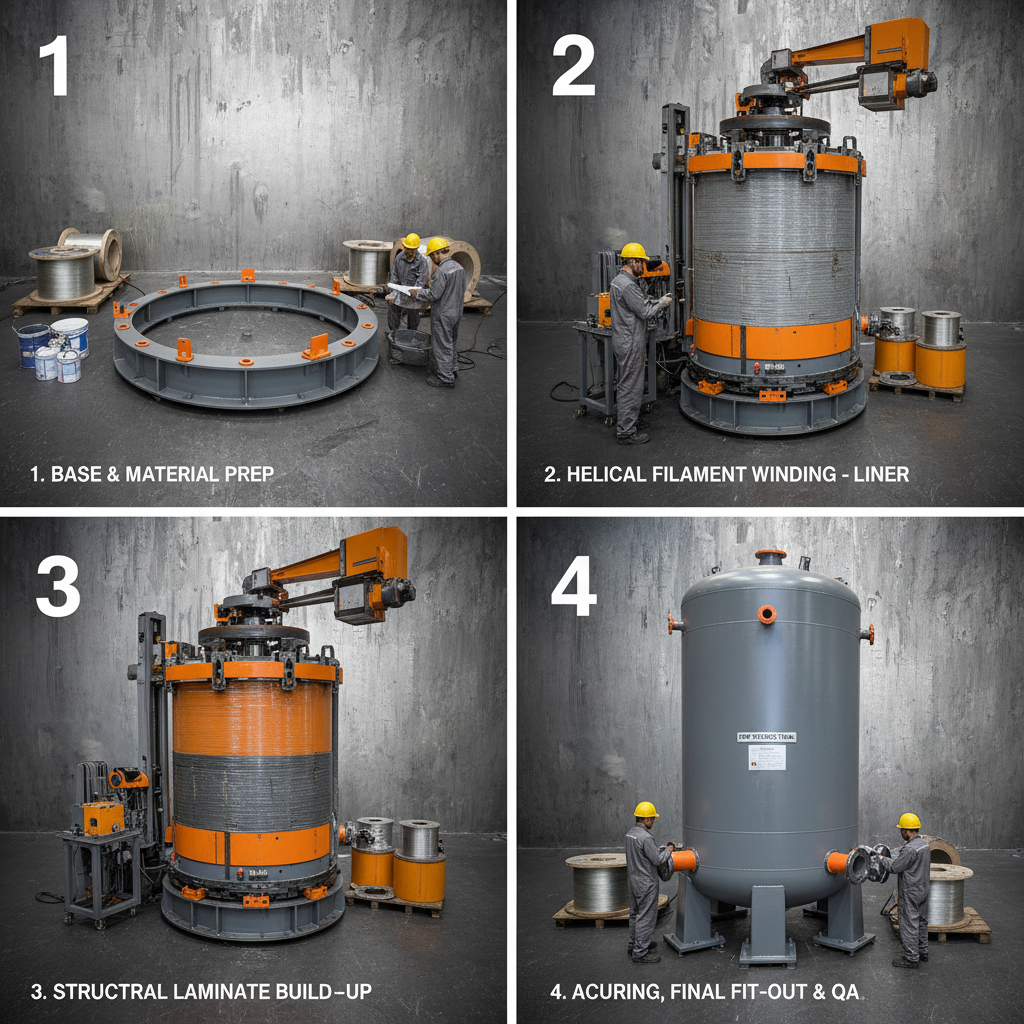
Fiber Reinforced Polymer (FRP) tanks and vessels are increasingly becoming the preferred choice for storage and processing across a multitude of industries. Their lightweight nature, corrosion resistance, and design flexibility offer significant advantages over traditional materials like steel. This article will delve into the intricacies of FRP tanks and vessels, exploring their applications, manufacturing processes, benefits, and considerations for selecting the right solution for your specific needs. We’ll also highlight why FRP tanks are a cost-effective and reliable long-term investment. FRP tanks and vessels are constructed from a combination of reinforcing fibers (such as fiberglass, carbon fiber, or aramid fiber) embedded in a polymer matrix (typically polyester, vinyl ester, or epoxy resin). This combination creates a composite material that boasts high strength-to-weight ratio, exceptional corrosion resistance, and the ability to be molded into complex shapes. They’re designed to safely contain a wide variety of liquids and gases, ranging from corrosive chemicals and water to food products and pharmaceuticals.
Optimizing Water Filtration with Durable FRP Sand Filter Vessels
Mar 24,2026
Optimizing Water Filtration with Durable FRP Sand Filter Vessels
In water treatment and filtration systems, the choice of filter vessel material is paramount. Fiber Reinforced Plastic (FRP), also known as Glass Reinforced Polymer (GRP), sand filter vessels are increasingly popular due to their superior corrosion resistance, lightweight nature, and cost-effectiveness. This article delves into the benefits, applications, design considerations, and factors to consider when selecting an FRP sand filter vessel. Whether you are involved in municipal water treatment, industrial wastewater management, or recreational water filtration, understanding FRP technology is essential for optimizing your filtration process. An FRP sand filter vessel is a containment unit designed to house filtration media, typically sand, gravel, and anthracite. These vessels are integral components in sand filtration systems used for removing suspended solids, turbidity, and other particulate matter from water. FRP construction involves layering glass fibers within a resin matrix (typically polyester or vinyl ester) to create a strong, durable, and chemically resistant shell. The strength and rigidity of the vessel are crucial for withstanding the pressure from the filtration media and the water flow.
Comprehensive Guide to FRP Round Tanks Applications and Benefits
Mar 21,2026
Comprehensive Guide to FRP Round Tanks Applications and Benefits
Fiber Reinforced Polymer (FRP) round tanks are increasingly becoming the preferred choice for storage solutions across a variety of industries. Their lightweight nature, corrosion resistance, and design flexibility offer significant advantages over traditional materials like steel. This article provides an in-depth look at FRP round tanks, exploring their applications, benefits, manufacturing processes, and key considerations when choosing the right tank for your needs. Whether you're in chemical processing, water treatment, or agriculture, understanding FRP round tanks is crucial for optimizing your storage infrastructure. FRP round tanks are constructed from a combination of reinforcing fibers (typically fiberglass, carbon fiber, or a blend) embedded in a polymer matrix (often polyester, vinyl ester, or epoxy resin). The round shape inherently provides excellent structural strength, distributing pressure evenly across the tank’s surface.
Comprehensive Guide to FRP Pressure Tanks Benefits and Applications
Mar 19,2026
Comprehensive Guide to FRP Pressure Tanks Benefits and Applications
Fiber Reinforced Polymer (FRP) pressure tanks are becoming increasingly popular in a wide range of industrial applications, offering a compelling alternative to traditional steel tanks. Known for their lightweight nature, corrosion resistance, and high strength-to-weight ratio, FRP tanks provide efficient and durable solutions for storing liquids and gases under pressure. This article will delve into the benefits, applications, construction, and key considerations when selecting an FRP pressure tank, helping you make an informed decision for your specific needs. Understanding the advantages of FRP technology can lead to significant cost savings and improved operational efficiency. Compared to steel, FRP pressure tanks offer several key advantages. The most significant is their superior corrosion resistance. Unlike steel, which is susceptible to rust and corrosion when exposed to various chemicals, FRP materials are inherently resistant to a wide range of corrosive substances. This translates to a longer lifespan, reduced maintenance costs, and increased safety. Furthermore, FRP is significantly lighter than steel, making installation easier and reducing transportation costs.
Comprehensive Guide to FRP Modular Tanks for Superior Storage Solutions
Mar 17,2026
Comprehensive Guide to FRP Modular Tanks for Superior Storage Solutions
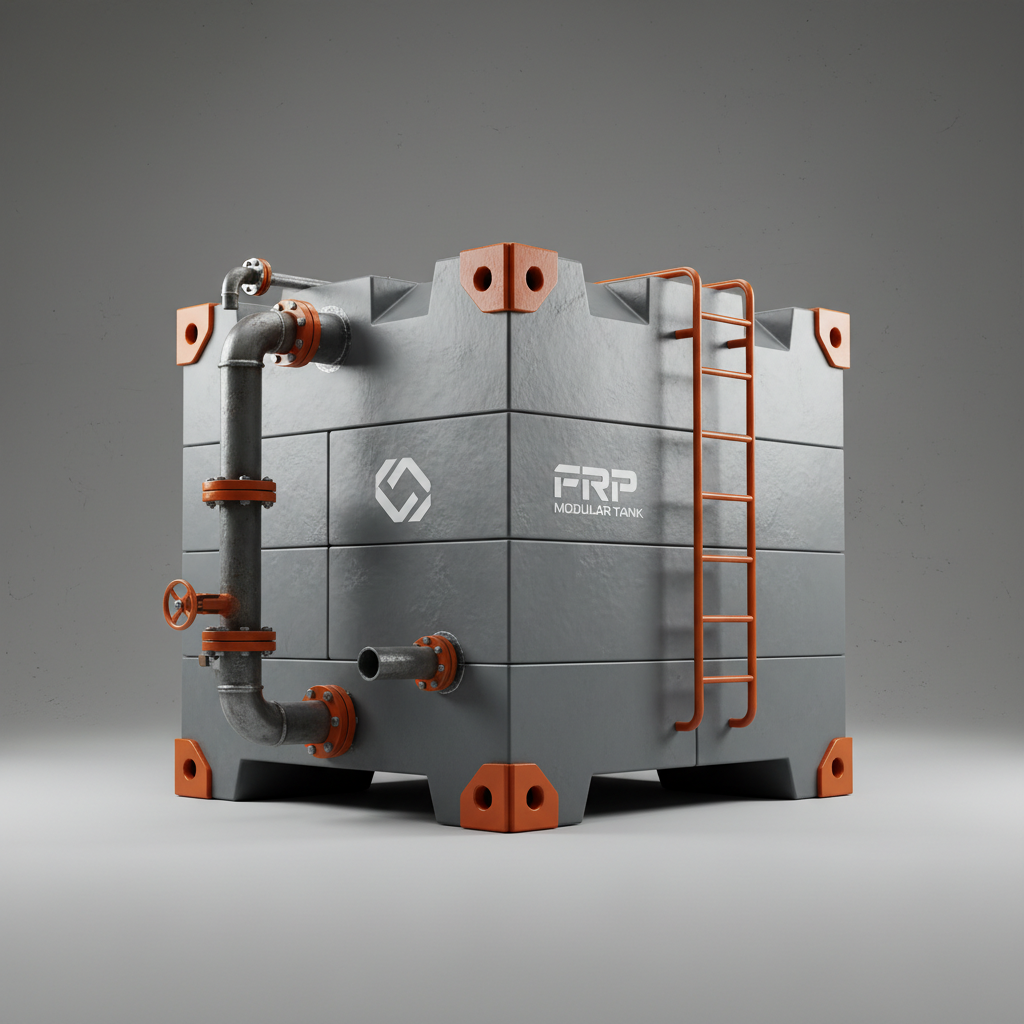
Fiber Reinforced Polymer (FRP) modular tanks are revolutionizing storage solutions across various industries. These tanks offer a compelling alternative to traditional materials like steel and concrete, providing superior corrosion resistance, lighter weight, and design flexibility. This article will delve into the benefits, applications, construction, and considerations when choosing an FRP modular tank. We will explore why they are becoming the preferred choice for chemical storage, water treatment, and more. FRP modular tanks are constructed from pre-fabricated, interlocking sections made of fiber-reinforced polymer materials. These sections are typically composed of glass fiber, vinyl ester, or epoxy resins. The modular design allows for easy assembly and customization to meet specific volume and configuration requirements. Unlike monolithic tanks, modular tanks can be easily expanded or relocated, offering a significant advantage in dynamic operational environments.
Exploring the Benefits and Applications of FRP Horizontal Tanks for Storage Solutions
Mar 14,2026
Exploring the Benefits and Applications of FRP Horizontal Tanks for Storage Solutions
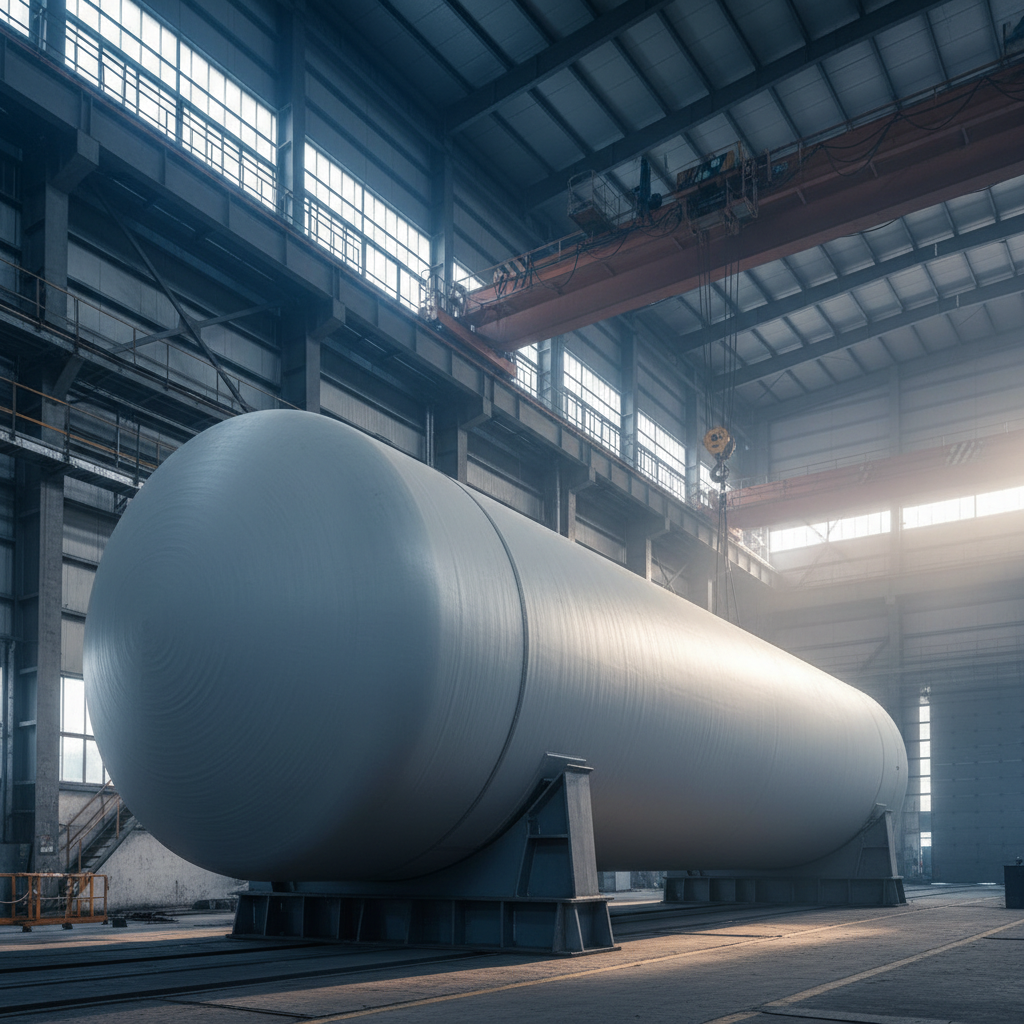
Fiber Reinforced Plastic (FRP) horizontal tanks are increasingly becoming the preferred choice for storage solutions across numerous industries. Known for their durability, corrosion resistance, and lightweight nature, these tanks offer a compelling alternative to traditional materials like steel. This article will delve into the intricacies of FRP horizontal tanks, exploring their applications, benefits, manufacturing processes, and key considerations for selecting the right tank for your needs. We’ll also discuss why choosing a reputable supplier like FRPGRPMachine ensures quality and reliability. FRP horizontal tanks are constructed using a combination of reinforcing fibers (such as fiberglass, carbon fiber, or aramid fiber) embedded in a polymer matrix (typically polyester, vinyl ester, or epoxy resin). The horizontal design allows for efficient use of space and facilitates easier installation and maintenance. The unique properties of FRP materials impart exceptional resistance to corrosion, chemicals, and UV radiation, making these tanks ideal for storing a wide variety of substances. They are manufactured through processes like filament winding, hand lay-up, and resin transfer molding, ensuring structural integrity and long-term performance.
Comprehensive Guide to FRP Fuel Tanks Benefits and Applications
Mar 12,2026
Comprehensive Guide to FRP Fuel Tanks Benefits and Applications
Fiber Reinforced Polymer (FRP) fuel tanks are rapidly gaining prominence as a robust and reliable alternative to traditional steel tanks. Offering significant advantages in terms of corrosion resistance, weight reduction, and design flexibility, they are becoming a go-to solution for a wide range of applications, from fuel storage at service stations to large-scale industrial facilities. This article delves into the benefits, applications, construction, and considerations when choosing an FRP fuel tank, providing a comprehensive overview for businesses and engineers. Investing in the right fuel storage solution is crucial for safety, compliance, and long-term cost efficiency. FRP fuel tanks offer a compelling set of advantages over traditional materials like steel. Their inherent resistance to corrosion is a primary benefit, significantly reducing maintenance costs and extending the tank's lifespan. Unlike steel, FRP won’t rust or corrode when exposed to fuels, water, or harsh environmental conditions. Furthermore, FRP is significantly lighter than steel – often by up to 60% – leading to easier installation, reduced transportation costs, and lower structural support requirements.
Comprehensive Guide to Durable Fibre Reinforced Plastic Tanks and Vessels
Mar 11,2026
Comprehensive Guide to Durable Fibre Reinforced Plastic Tanks and Vessels
In industries demanding robust, corrosion-resistant storage solutions, fibre reinforced plastic (FRP) tanks and vessels are increasingly becoming the material of choice. These tanks, crafted from materials like glass fibre reinforced polymer (GRP), offer superior performance compared to traditional materials like steel or concrete. This article delves into the benefits, applications, manufacturing processes, and considerations when choosing FRP tanks and vessels. We'll explore why they are a smart investment for various industrial needs. FRP is a composite material made by combining a polymer matrix (resin) with reinforcing fibres, typically glass, carbon, or aramid. This combination results in a material that is lightweight, incredibly strong, and highly resistant to corrosion. GRP, a common type of FRP using glass fibres, is particularly popular due to its cost-effectiveness and excellent chemical resistance. The properties of FRP can be tailored during manufacturing to meet specific application requirements.
Comprehensive Guide to Durable Double Wall FRP Tank Solutions for Industries
Mar 10,2026
Comprehensive Guide to Durable Double Wall FRP Tank Solutions for Industries
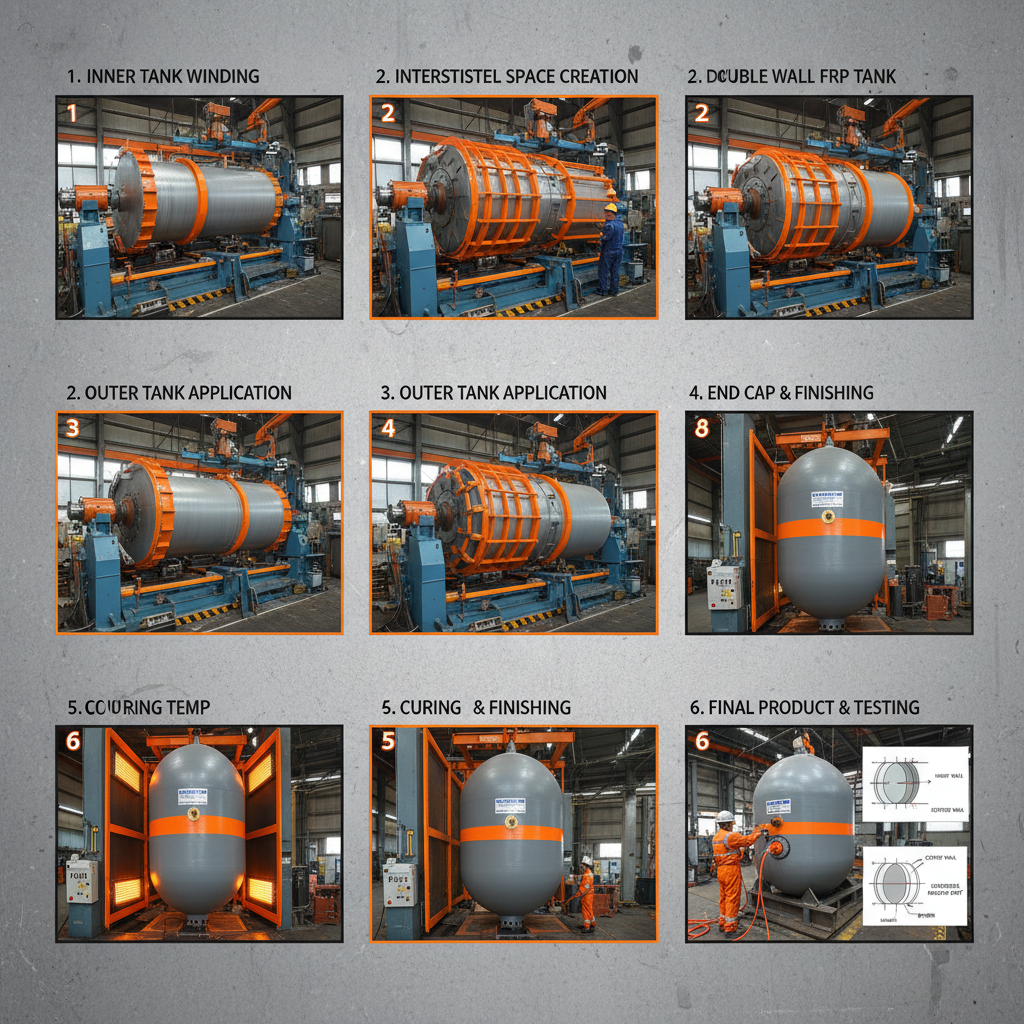
Double wall Fiber Reinforced Polymer (FRP) tanks are increasingly becoming the preferred choice for storing a wide range of chemicals and liquids across diverse industries. Offering superior corrosion resistance, durability, and safety compared to traditional materials like steel, these tanks are a valuable asset for any business dealing with potentially hazardous substances. This article will delve into the key features, benefits, applications, and considerations when choosing a double wall FRP tank, providing you with the information needed to make an informed decision. Investing in a reliable storage solution is crucial for operational efficiency and environmental responsibility. A double wall FRP tank consists of two layers of FRP material separated by a space. This design provides a critical layer of containment in the event of a leak or failure in the inner tank. The space between the walls can be monitored for leaks, allowing for early detection and preventing environmental contamination. The construction typically involves a resin matrix reinforced with fiberglass, offering excellent chemical resistance, and the ability to be customized for specific application requirements. These tanks offer a significantly enhanced safety profile compared to single-wall tanks.
Comprehensive Guide to FRP Water Storage Tank Solutions and Applications
Mar 09,2026
Comprehensive Guide to FRP Water Storage Tank Solutions and Applications
Fiber Reinforced Polymer (FRP) water storage tanks are increasingly becoming the preferred choice for a wide range of applications, from potable water storage to industrial chemical containment. Their lightweight nature, corrosion resistance, and durability offer significant advantages over traditional materials like steel and concrete. This article will explore the benefits, applications, and key considerations when choosing an FRP water storage tank, providing insights for engineers, project managers, and anyone involved in water management. Selecting the right tank is critical for ensuring long-term reliability and water quality. FRP tanks offer a compelling set of advantages. Their corrosion resistance is paramount, eliminating the need for costly linings and repairs often required with steel tanks. The lightweight nature of FRP significantly reduces installation costs, as less heavy machinery is needed.
For More Details Pls Contact Us
Thank you for your interest in our gloves! We offer high-quality, durable, and comfortable gloves with fast delivery and competitive prices. For any questions or customization, feel free to contact us. We look forward to working with you!

If you are interested in our products, you can choose to leave your information here, and we will be in touch with you shortly.