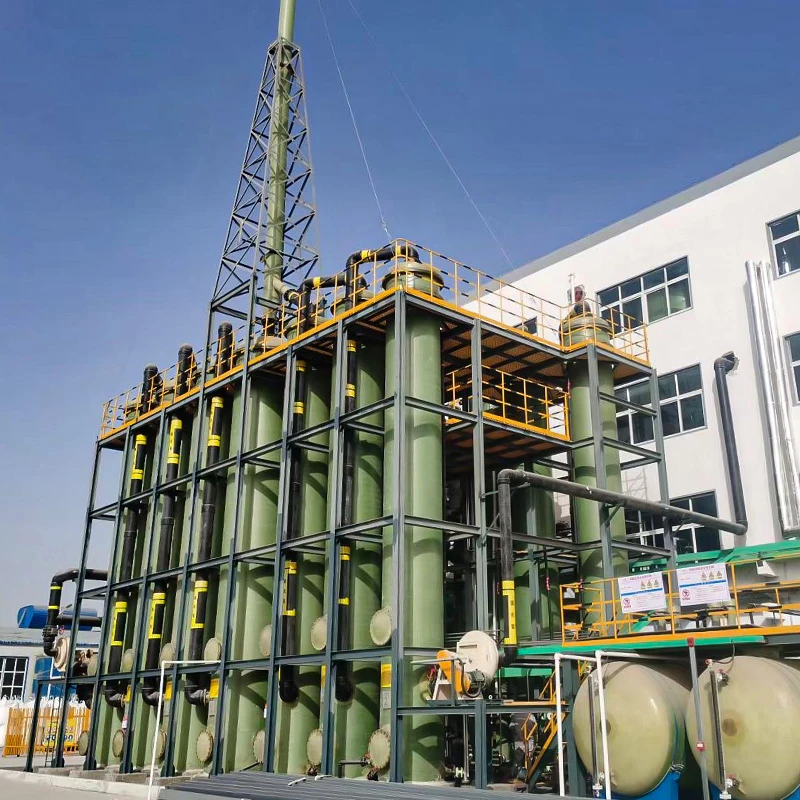
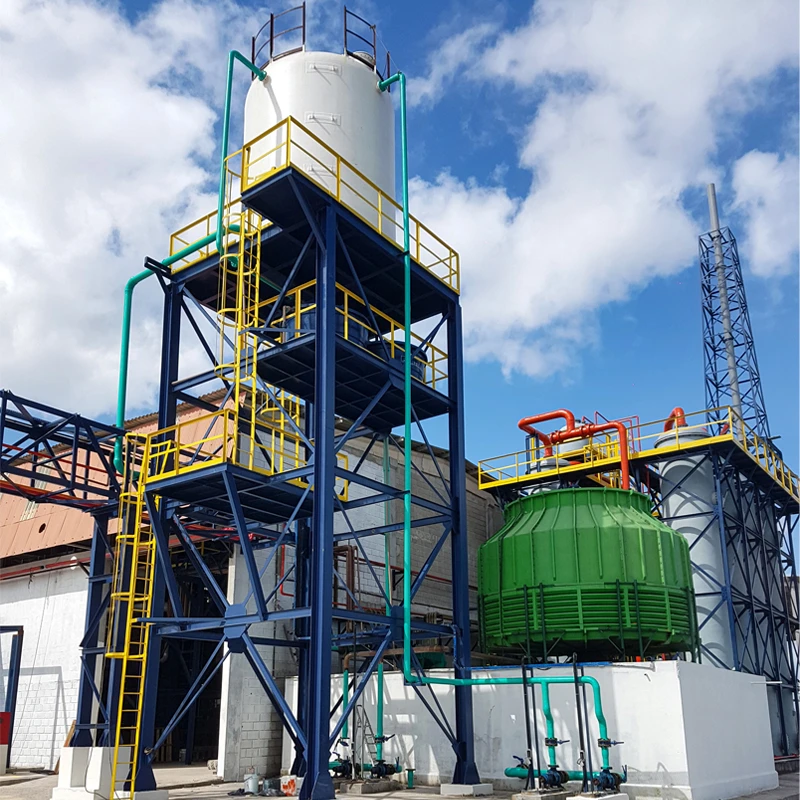
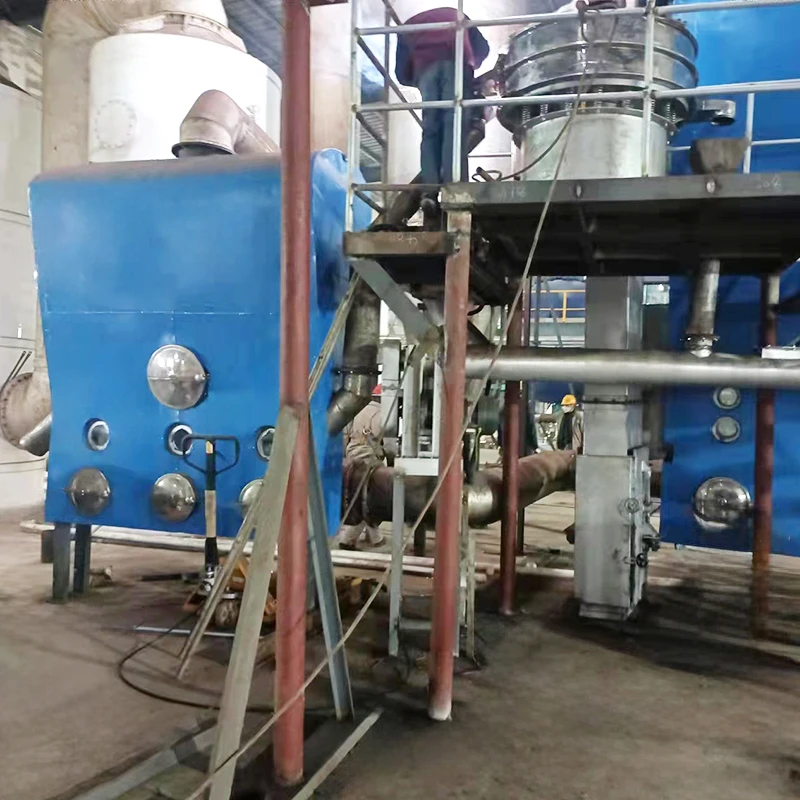
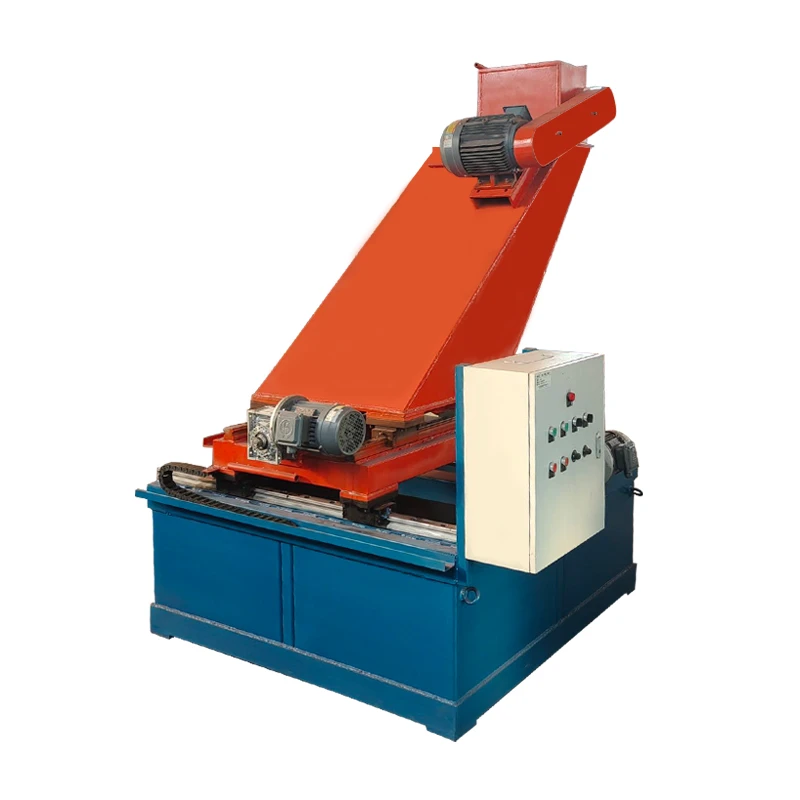
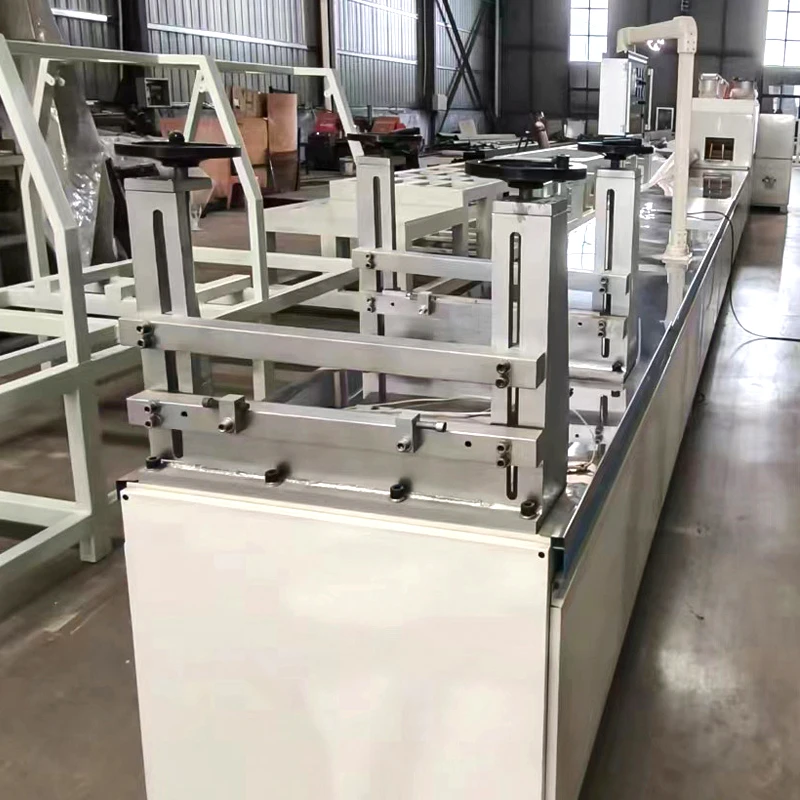
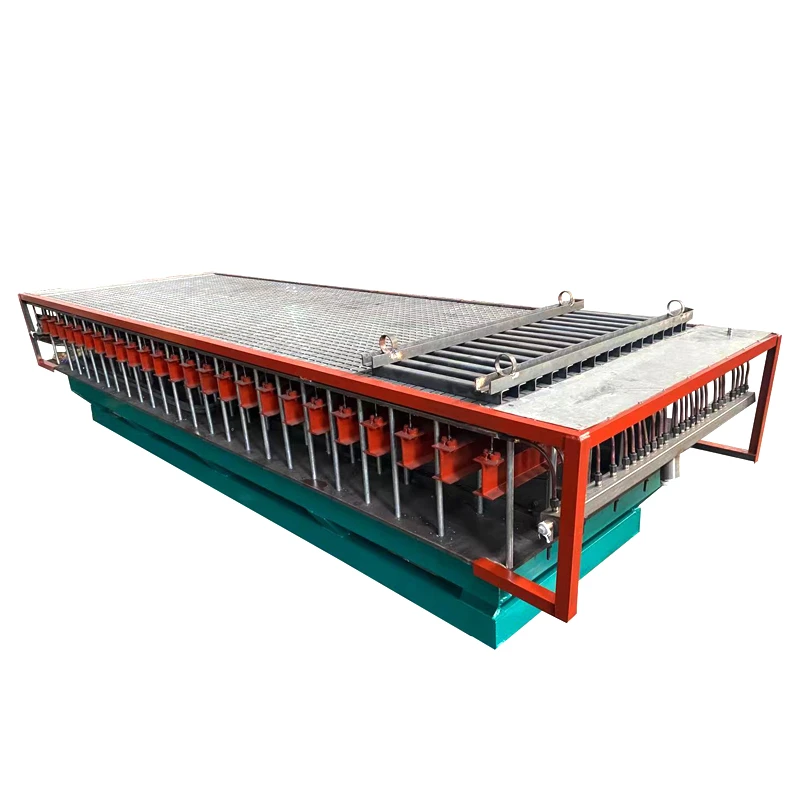
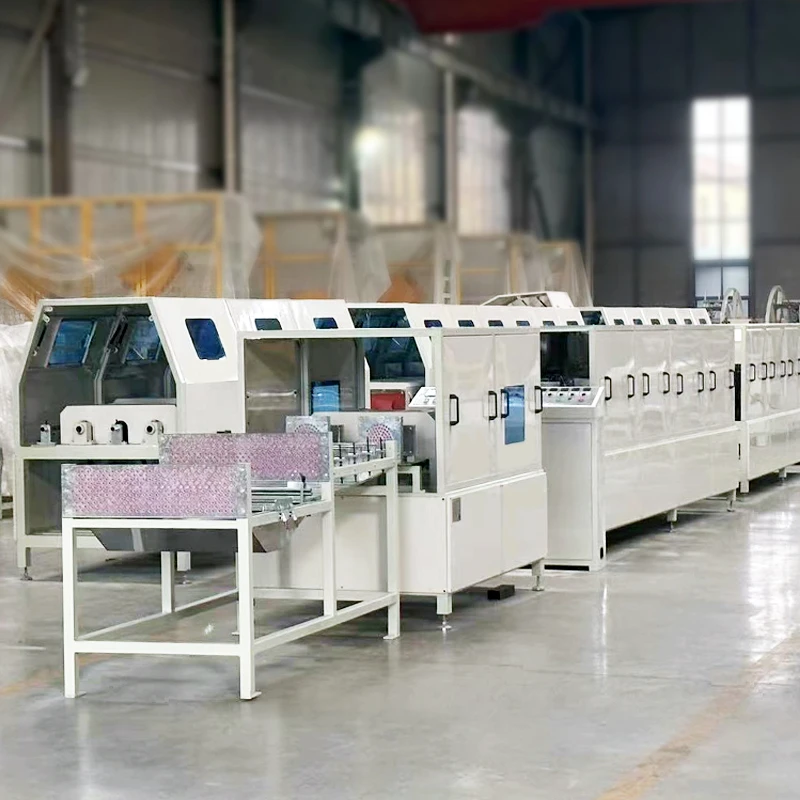
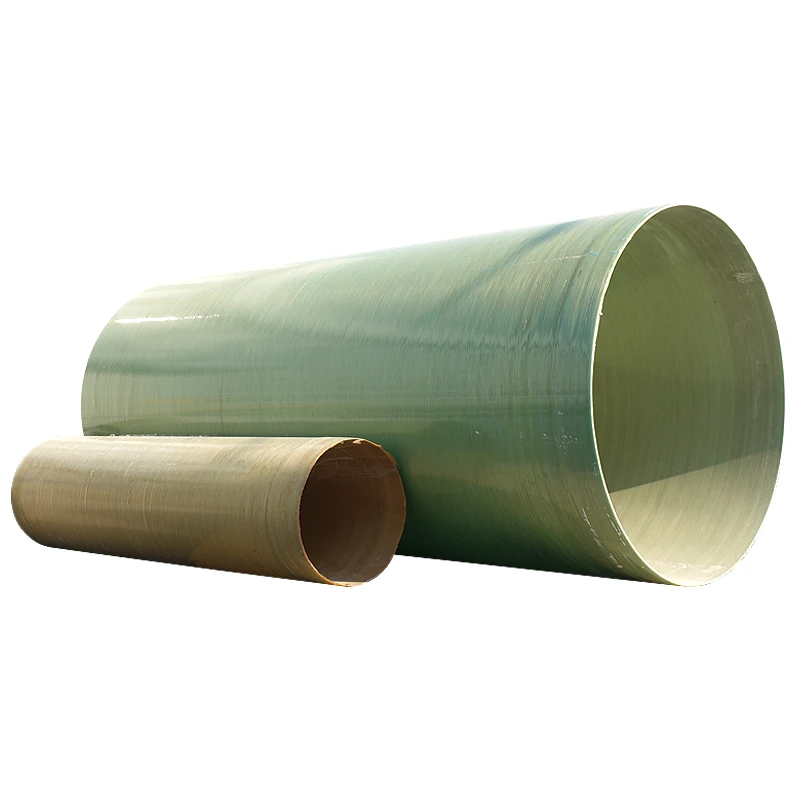
FRP Grating Machine – Automated Molded Grating, High Output
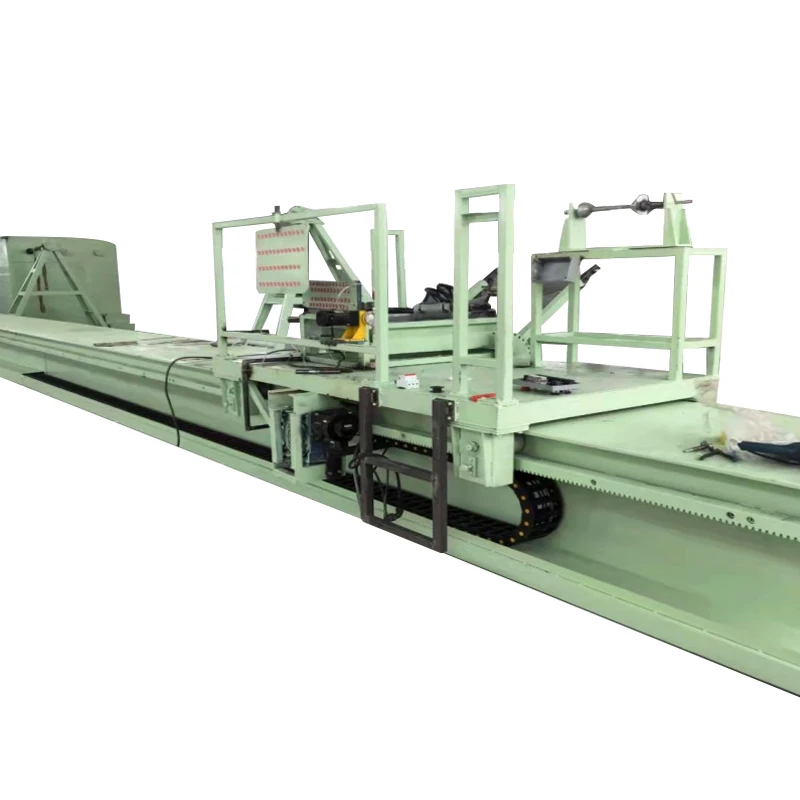
What I’m Seeing on the Shop Floor: The Rise of the frp grating machine
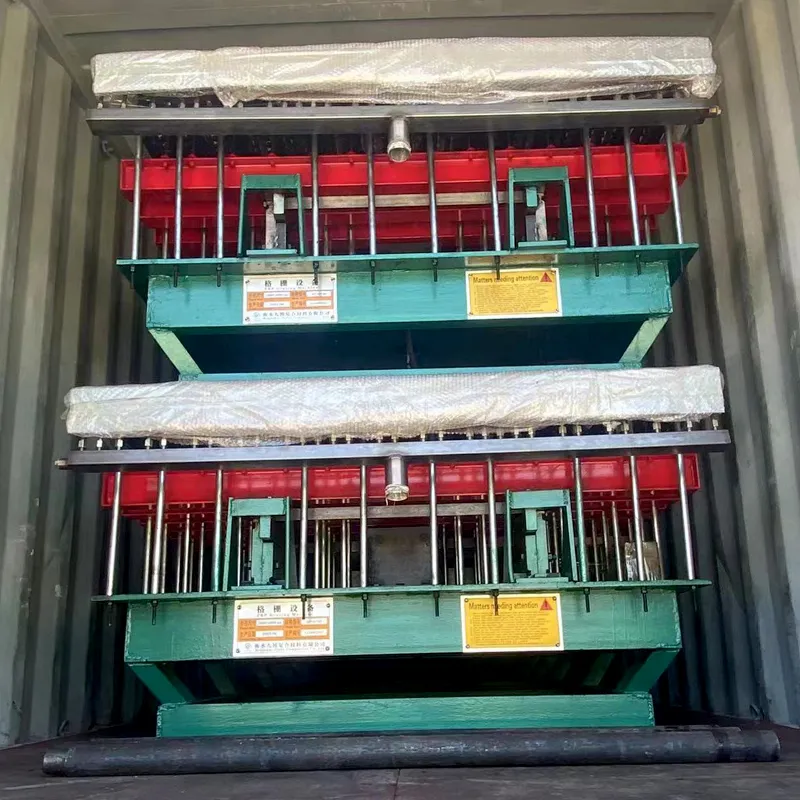
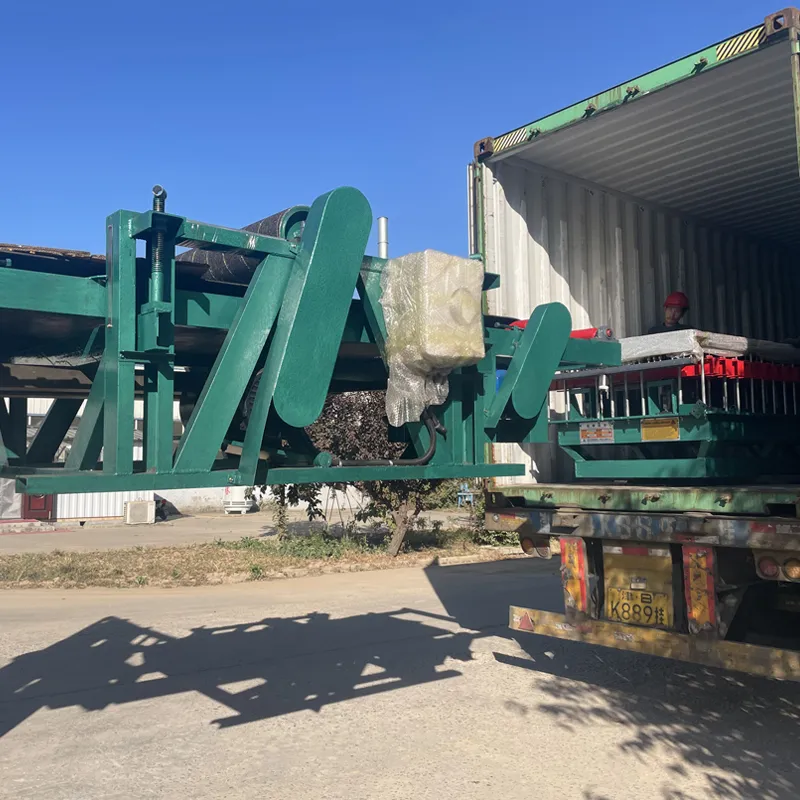
I’ve walked enough factories to know when a niche turns mainstream. Lately, the chatter is all about molded fiberglass grating—car beauty shops, caravan builders, wastewater plants—you name it. And the enabler is the frp grating machine that reliably punches out 3660 mm and 4000 mm plates without drama. Origin story? Hebei Province, Room 211, 706 Xinghua North Street, Jizhou District, Hengshui—where a lot of serious composite hardware quietly comes from.
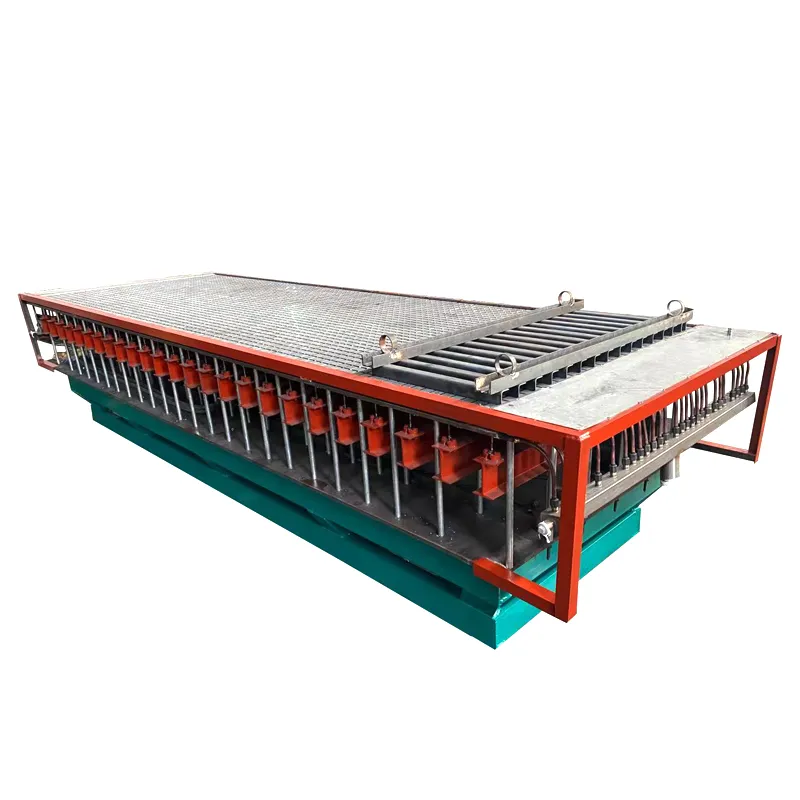
Product snapshot and why it’s trending
This custom FRP/GRP grating molding line targets fast cycle times and consistent resin wet-out. To be honest, a lot of buyers came from metal grating, got tired of corrosion, and never looked back. Many customers say the payback is quicker than they expected because maintenance basically falls off a cliff.
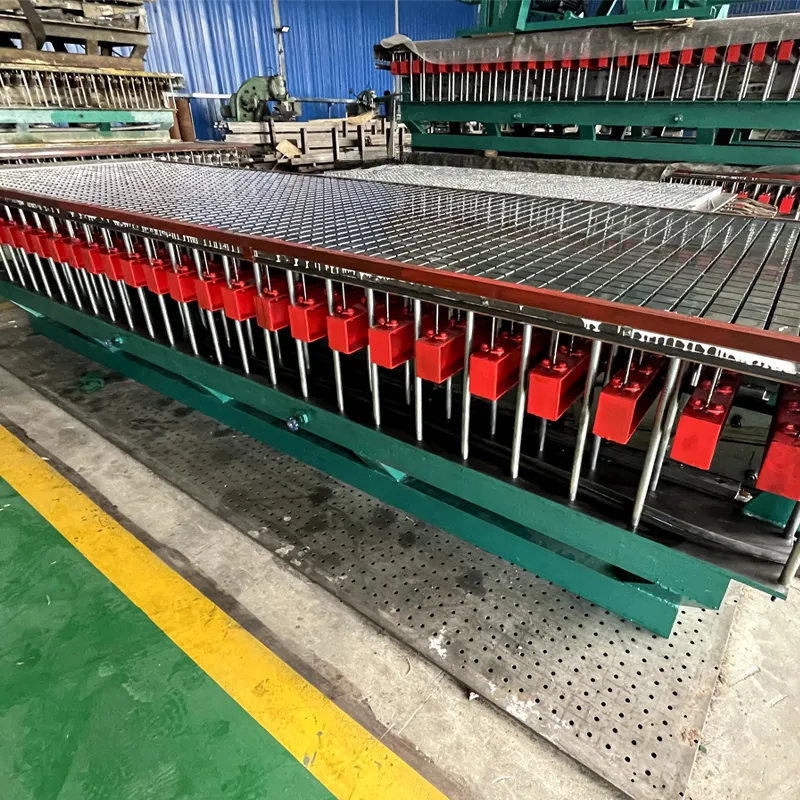
Typical specifications (real-world use may vary)
| Grating sizes | Up to 3660 mm & 4000 mm plates |
| Mesh options | 25×25, 38×38, custom molds |
| Resins | Orthophthalic, Isophthalic, Vinyl ester, Phenolic |
| Resin content | ≈ 35–45% |
| Flexural strength | ≈ 200–250 MPa (ASTM D790) |
| Barcol hardness | ≈ 35–45 (ASTM D2583) |
| Service life | 15–30 years depending on resin and UV |
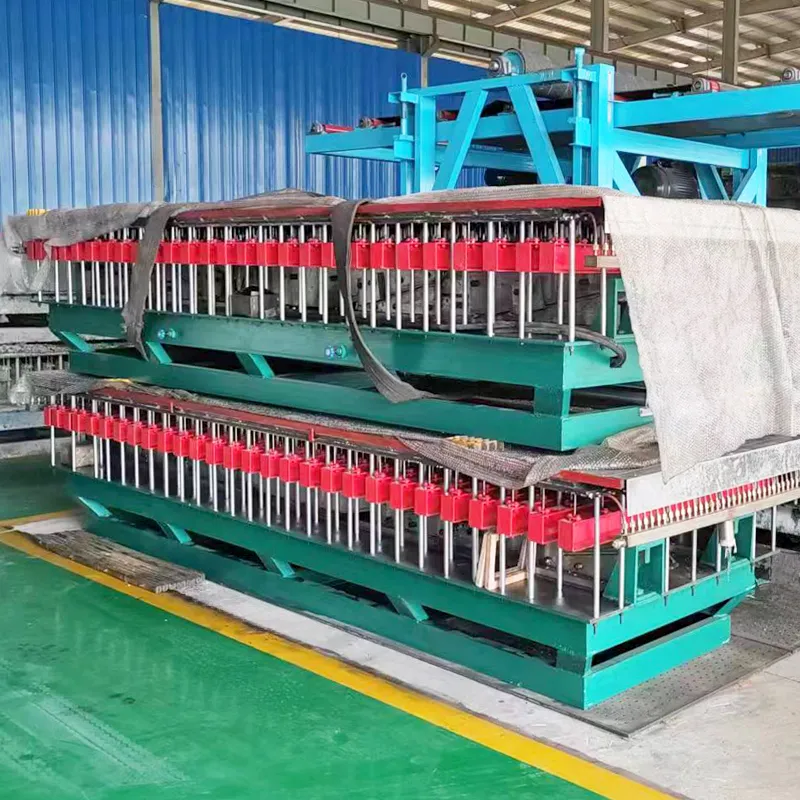
Process flow (how shops actually run it)
Materials: fiberglass roving/mat, chosen resin system, catalysts/accelerators, pigments, anti-skid fillers.
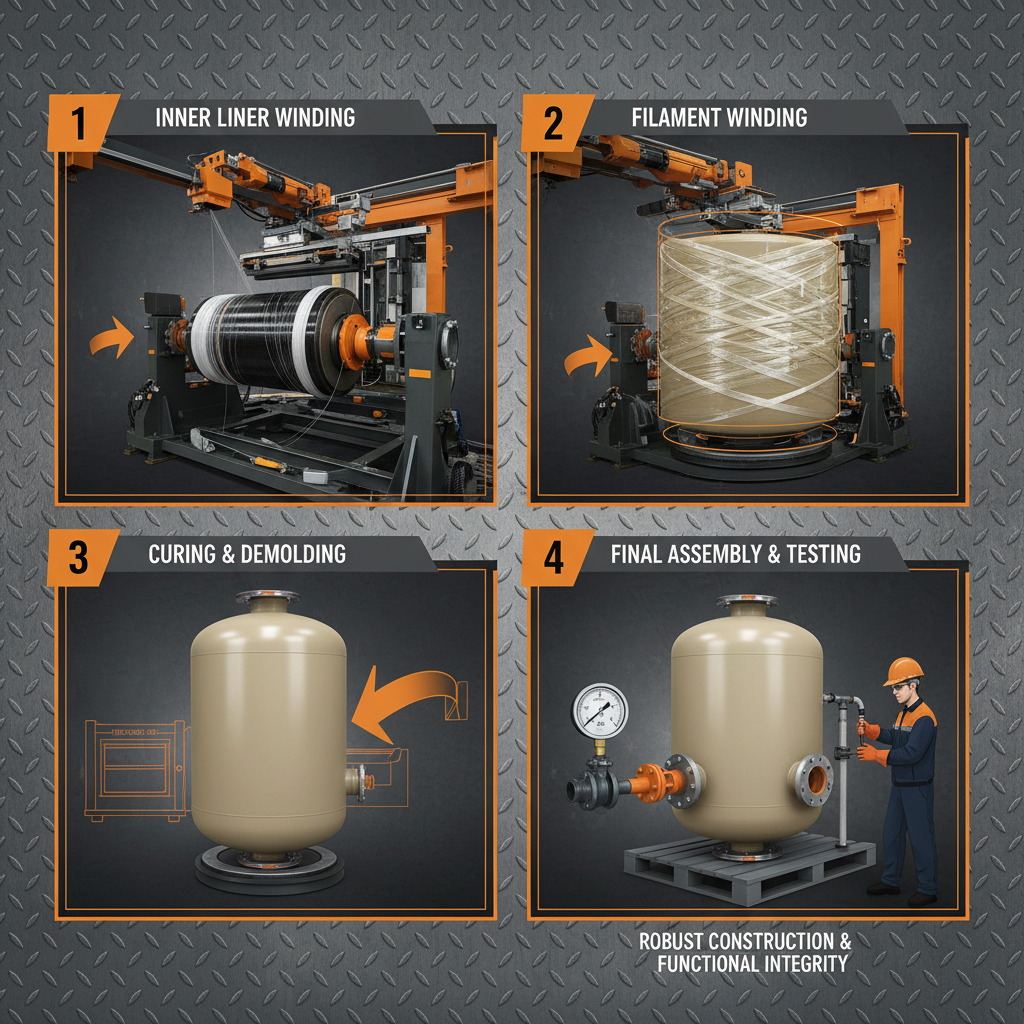
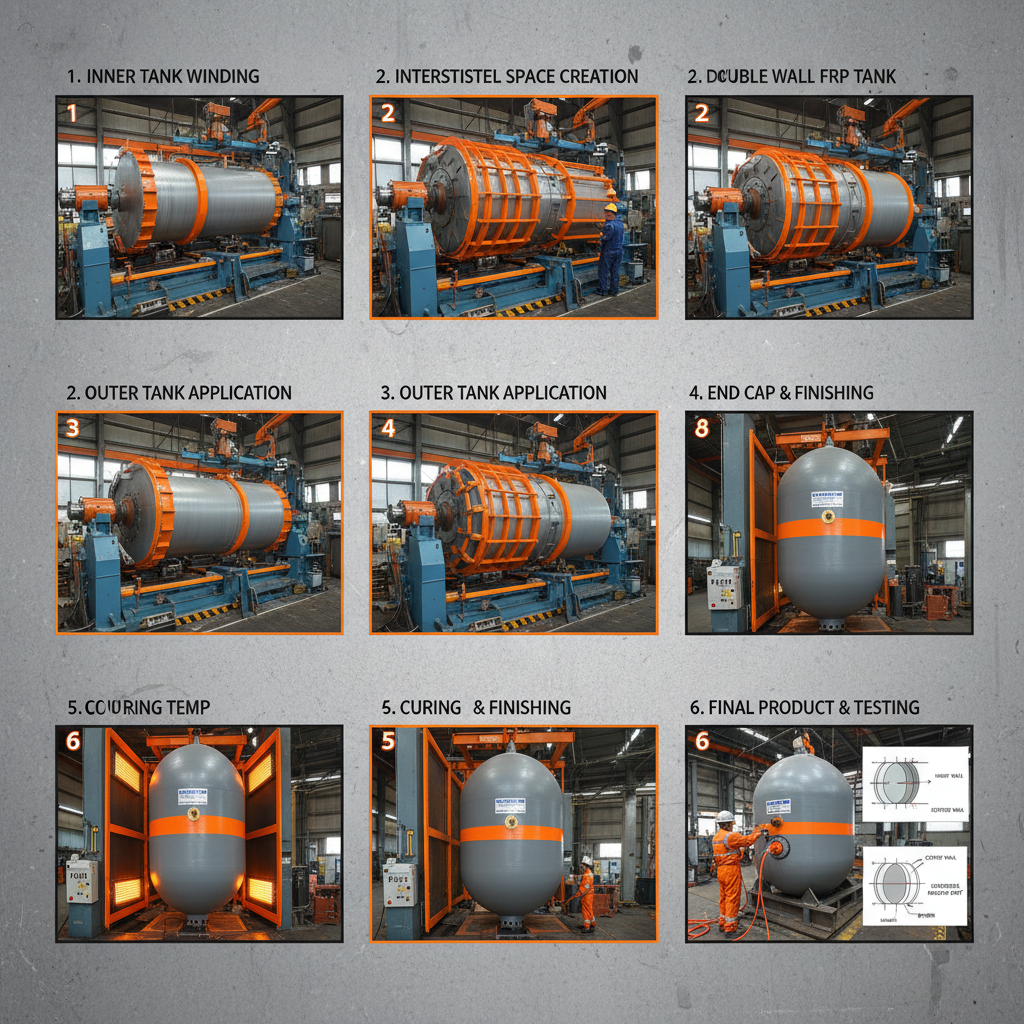
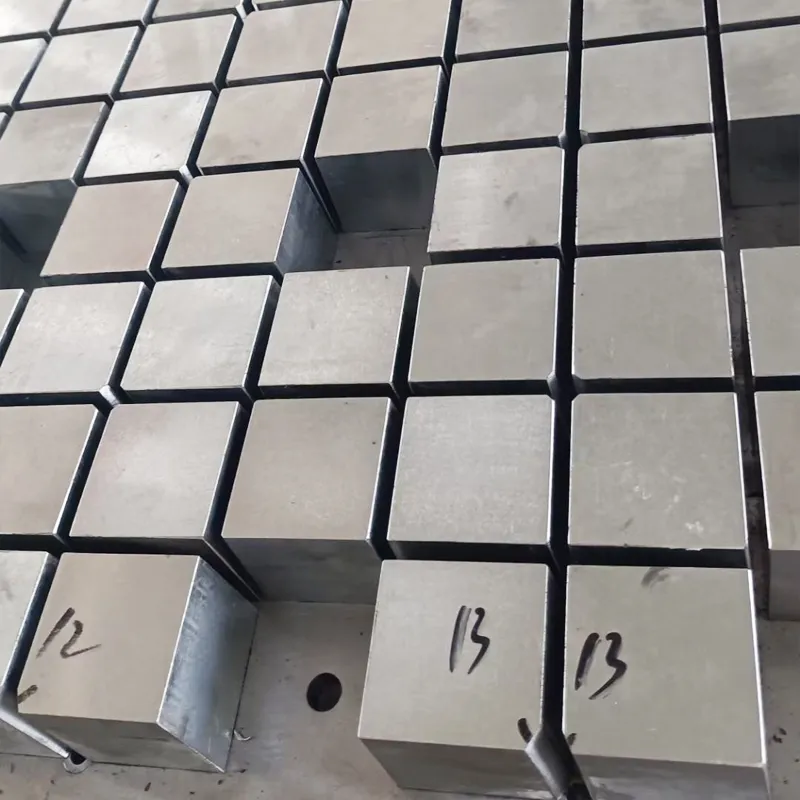
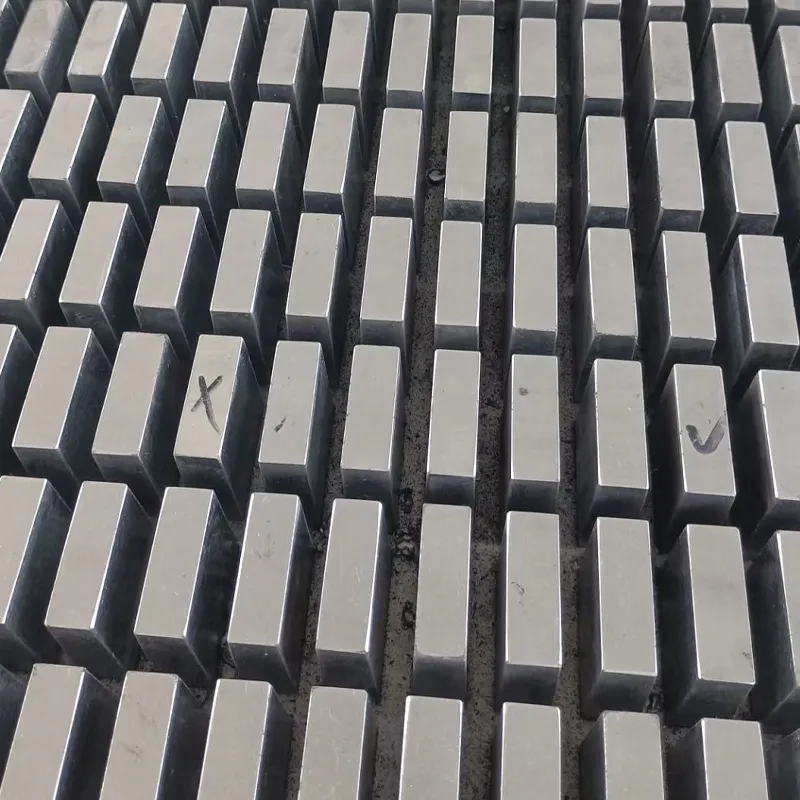
Methods: mold prep → release agent → glass lay-up → resin metering/impregnation → curing under controlled temp/pressure → demold → edge trim → surface non-slip grit (optional).
Testing: density (ASTM D792), flexural (ASTM D790), burn/smoke (ASTM E84; D635), Barcol hardness (ASTM D2583), slip resistance (per OSHA guidance).
QC: gel time windows, exotherm logs, dimensional checks, coupon testing per batch.
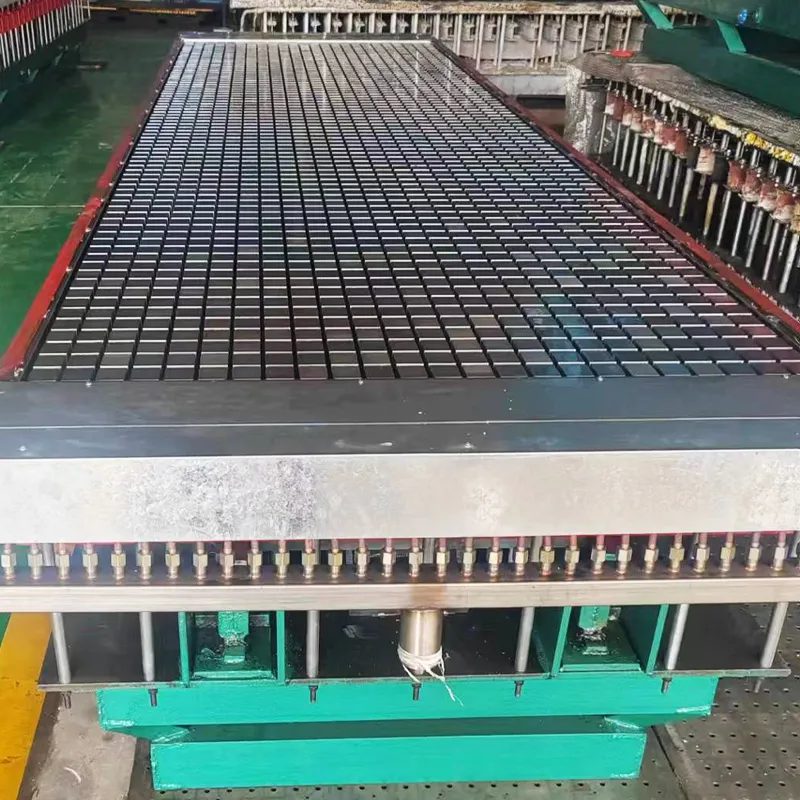
Where it ends up
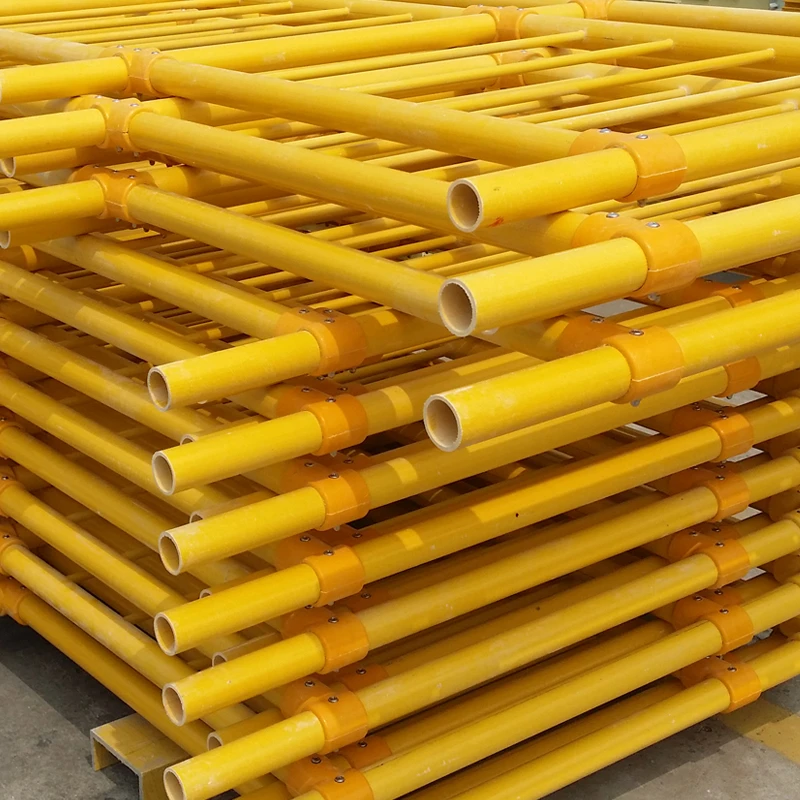
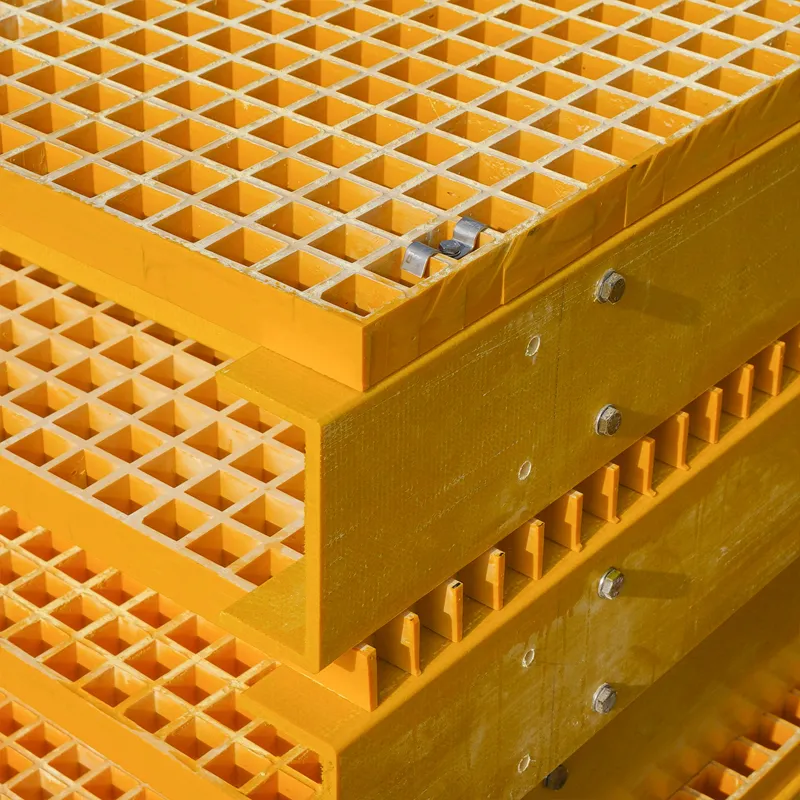
- Car beauty shops and caravan floors (surprisingly big driver)
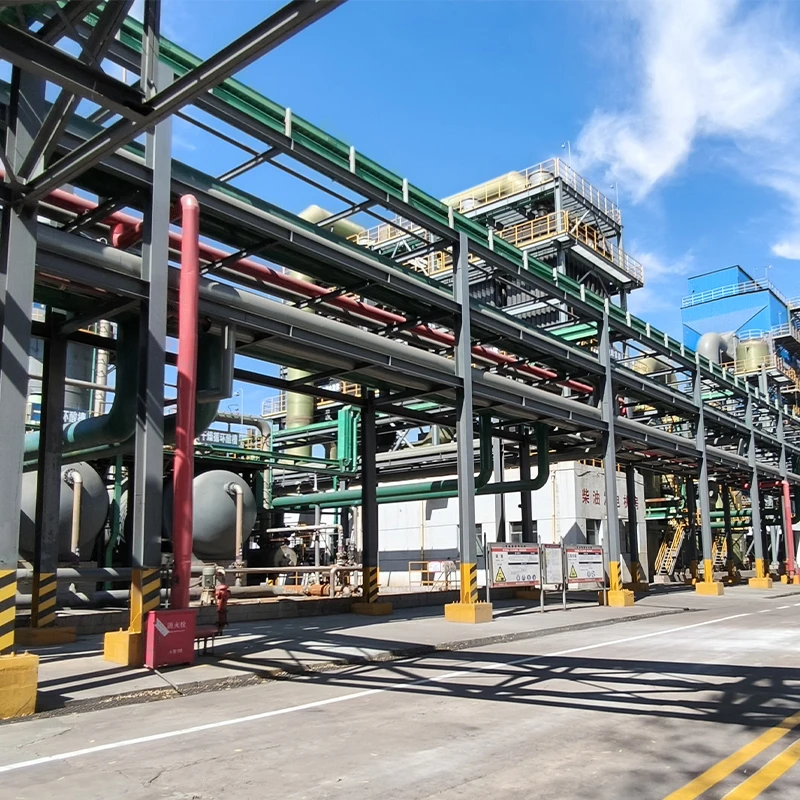
- Wastewater, chemical plants, desalination decks
- Food processing walkways (with suitable resin)
- Marine, offshore, and utility substation platforms
Vendor comparison (my quick take)
| Vendor | Mold range | Resin options | Cycle time | Notes |
| Hebei maker (origin above) | 25–60 mm thickness | O, I, VE, Phenolic | Fast, ≈ 1.0–1.5 h | Popular with FRP grille manufacturers |
| Regional OEM B | Limited custom molds | O, I | ≈ 1.5–2 h | Lower entry cost |
| Global OEM C | Wide, premium tooling | O, I, VE | ≈ 1–1.3 h | Higher price, strong support |
Compliance, data, and certifications
- Fire/smoke: ASTM E84; flame spread targets Class A/B depending on resin. ASTM D635 for burn rate.
- Mechanical: ASTM D790 flexural; typical deflection under 500 N load ≈ 2–5 mm (38×38, 30–40 mm thick).
- Density: ASTM D792; 1.7–1.9 g/cm³ typical. Barcol ≈ 35–45.
- Certifications often requested: ISO 9001/14001/45001, CE for machinery safety; third-party SGS test reports are common.
Customization & support
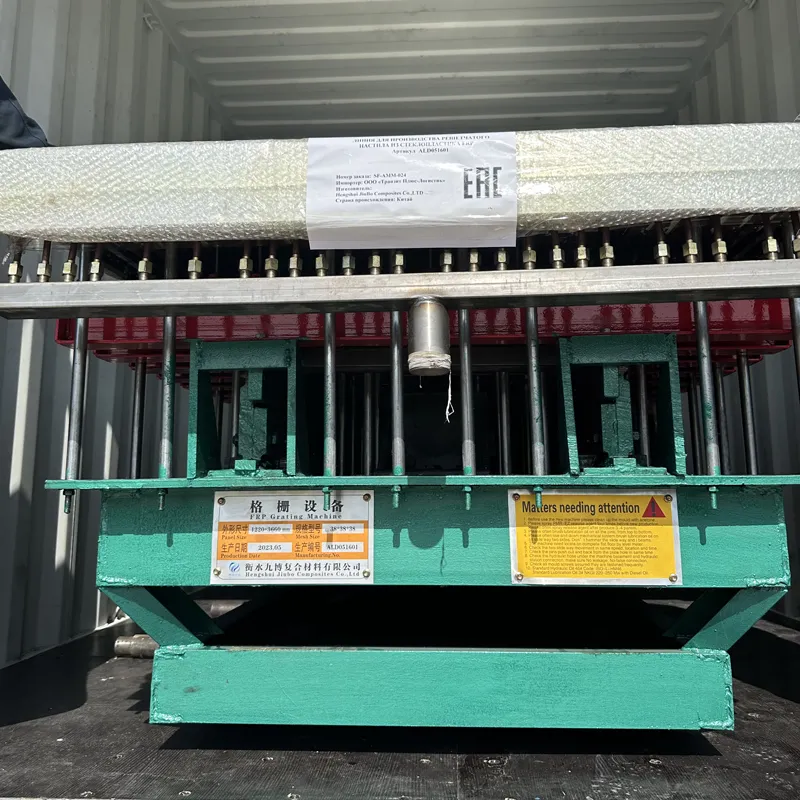
Custom mesh, anti-slip grit, color coding, UV topcoats, and edge banding are routine. The frp grating machine line I toured allows quick mold swap and resin changeovers—handy if you run vinyl ester in the morning and phenolic after lunch.
Mini case studies
- Caravan builder, Zhejiang: shifted to frp grating machine floors; claimed 28% weight reduction and fewer warranty calls for corrosion.
- Municipal WWTP, EU: replaced steel with VE-based panels from a frp grating machine; EHS team liked the slip resistance and zero rust.
Buyer note: ask for recent coupon data (last three lots), resin COAs, and a preventive-maintenance plan. It seems obvious, but the best installs happen when QC travels from machine to site, not the other way round.