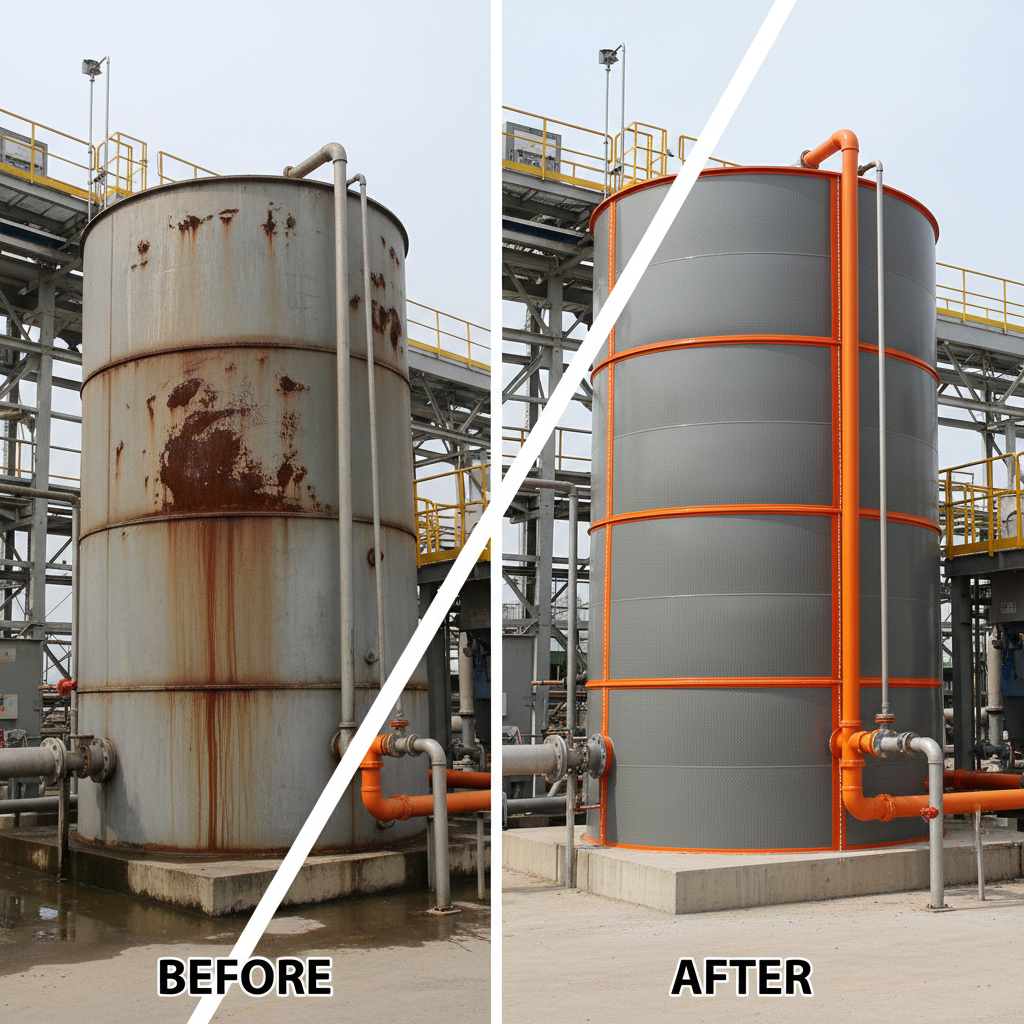
Durable and Safe Fiberglass Potable Water Tanks for Global Water Storage Solutions
Why Fiberglass Potable Water Tanks Matter in Today’s World
If you’ve ever thought about how vital clean drinking water storage is, you’re not alone. Around the world, millions depend on safe water delivery systems. Fiberglass potable water tanks play a surprisingly big part in ensuring that water stays pure, accessible, and safe for communities and industries alike. It may sound like just a container, but it’s actually a keystone technology tackling some of the globe’s toughest water challenges.
Global Context: The Rising Demand for Safe Water Storage
According to the United Nations, nearly 2 billion people lack access to safely managed drinking water services — a staggering gap that impacts health, economic development, and quality of life globally.1 The World Bank reports increasing investments in water infrastructure, especially in emerging markets, often focusing on potable water storage solutions that resist contamination and reduce wastage.2 Fiberglass potable water tanks, with their corrosion resistance and robustness, answer many challenges posed by traditional metal or concrete tanks that might degrade over time or leach harmful substances.
One of the big problems these tanks address is contamination prevention — in hot climates, warm waters can breed bacteria if not stored properly. Fiberglass tanks help keep water fresh, on a large scale, whether in urban reservoirs or rural wells.
Mini takeaway: The global water crisis demands reliable, sustainable storage, making fiberglass potable water tanks increasingly critical.
What Exactly Are Fiberglass Potable Water Tanks?
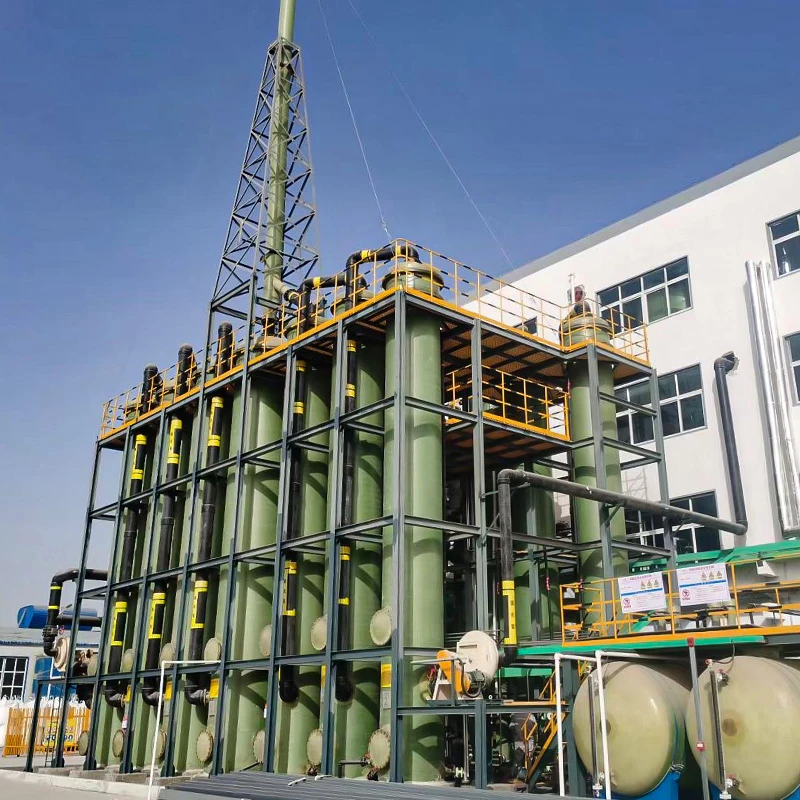
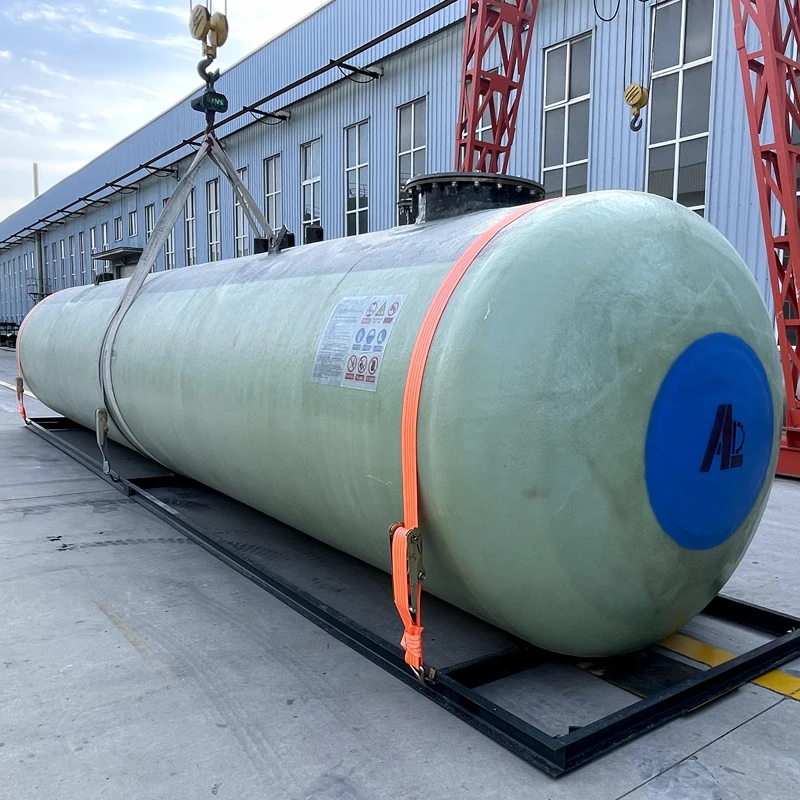
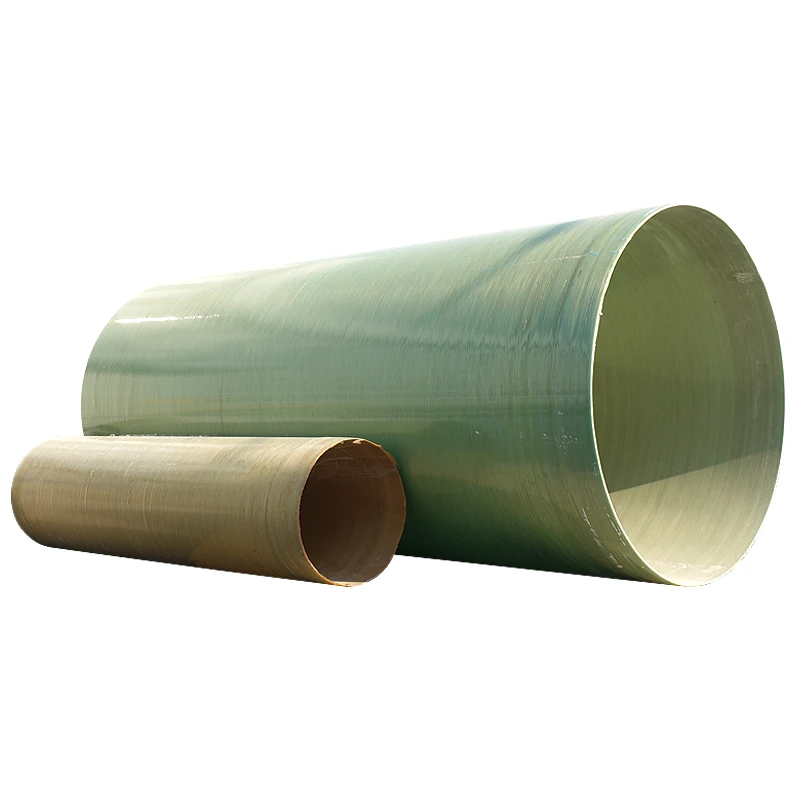
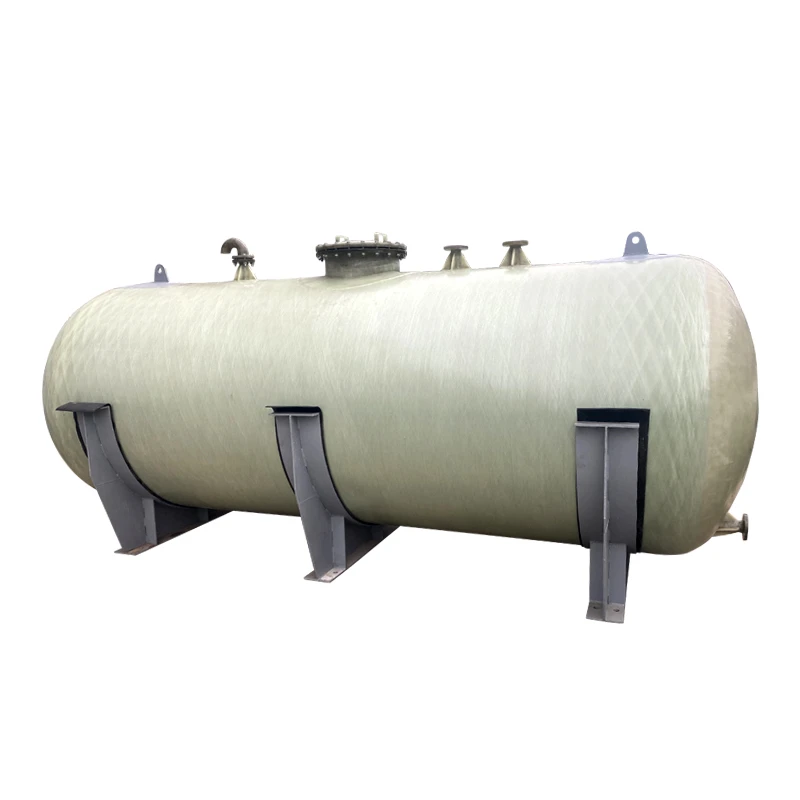
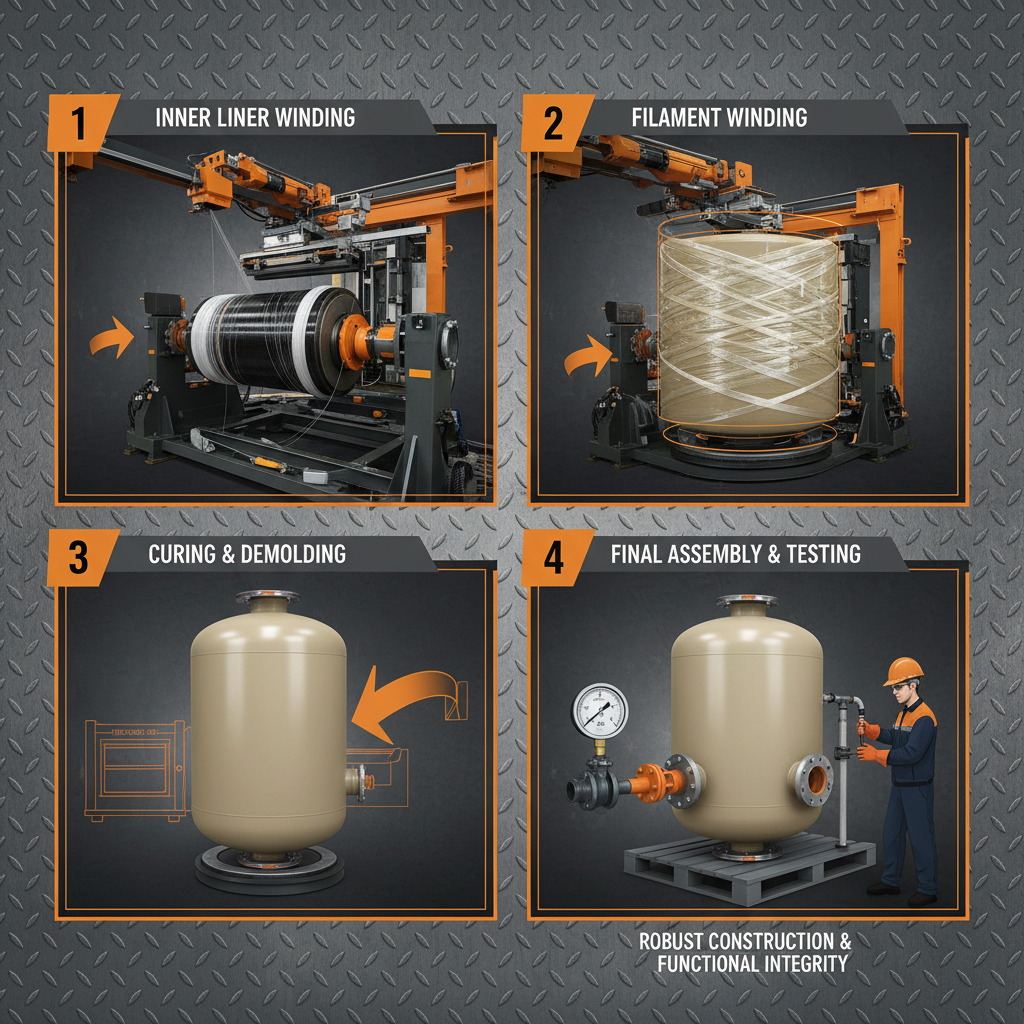
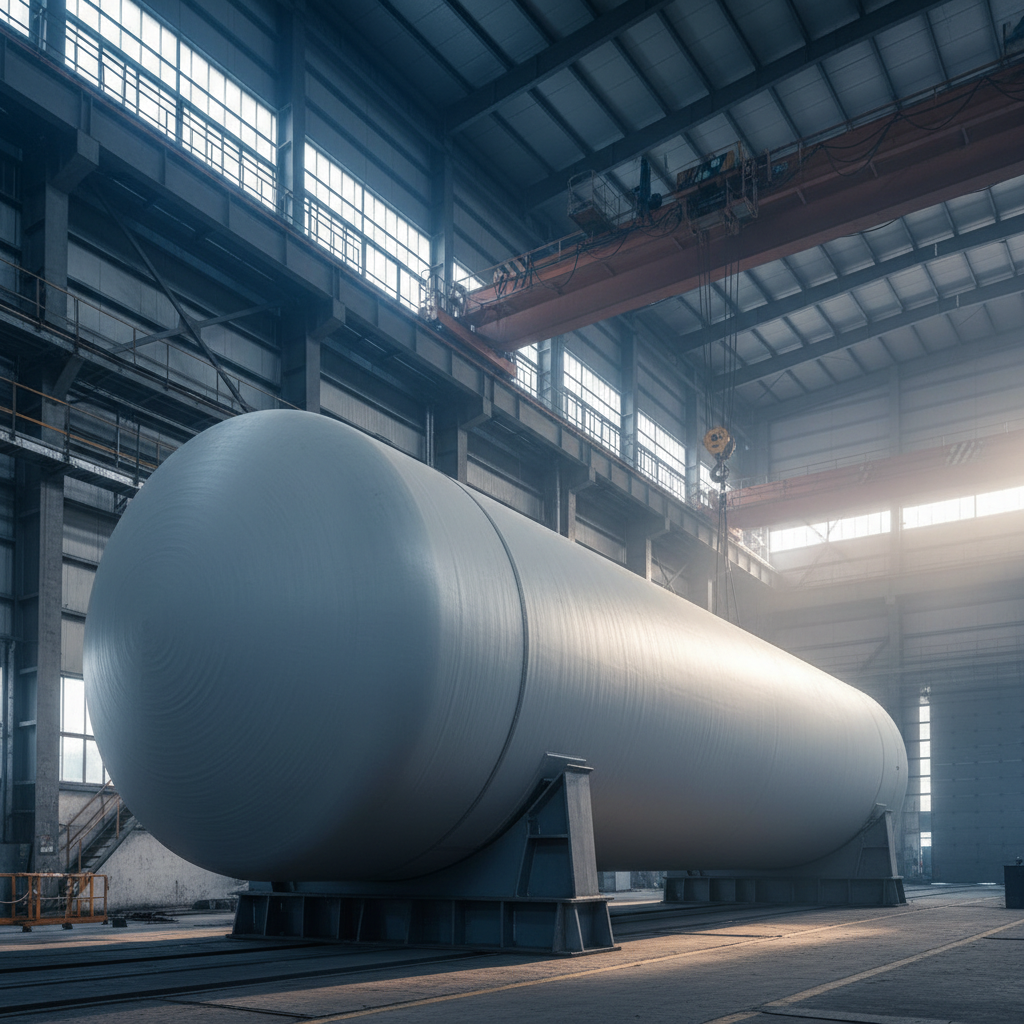
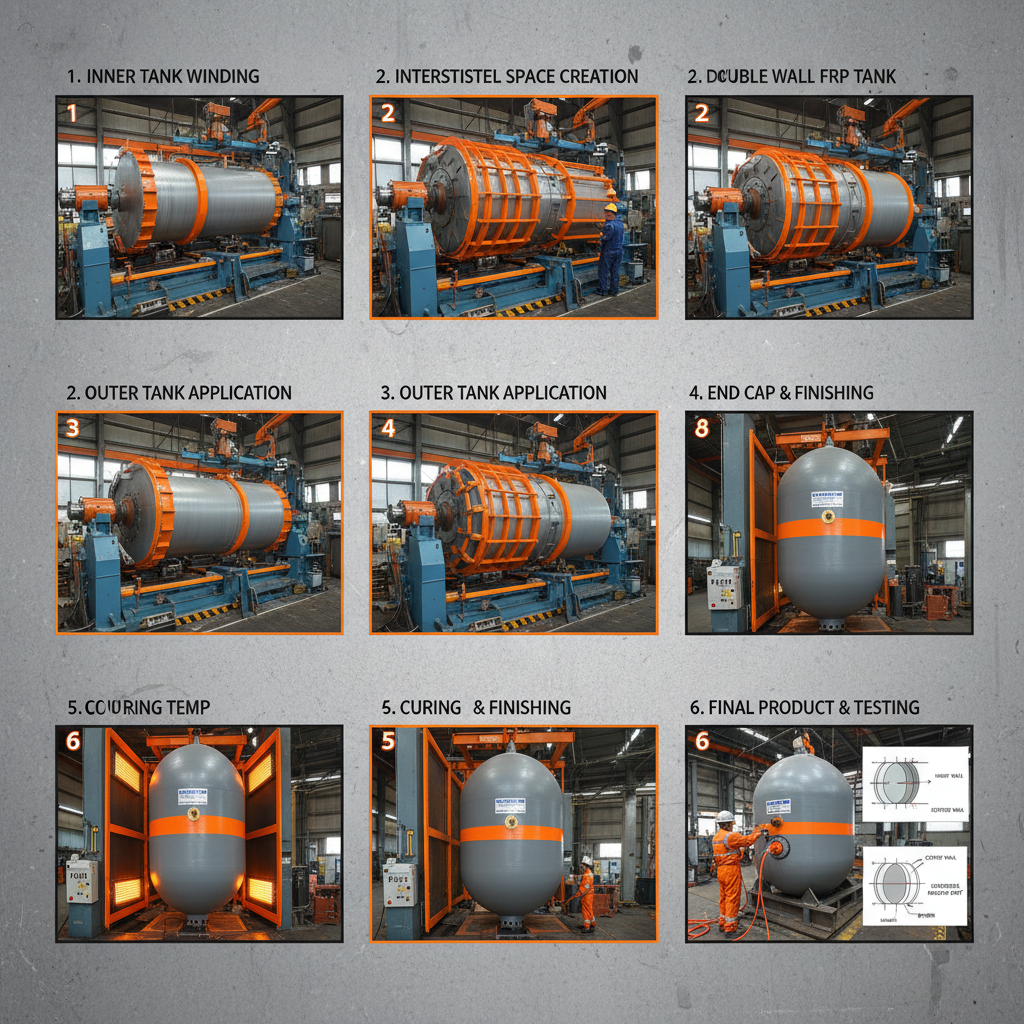
At their core, fiberglass potable water tanks are storage units crafted using glass fiber reinforced plastics (often called FRP). These tanks are designed specifically to hold drinking water safely — “potable” means it’s safe for human consumption. The combination of glass fibers embedded in a resin matrix creates a material that’s strong, lightweight, and resistant to corrosion and chemicals.
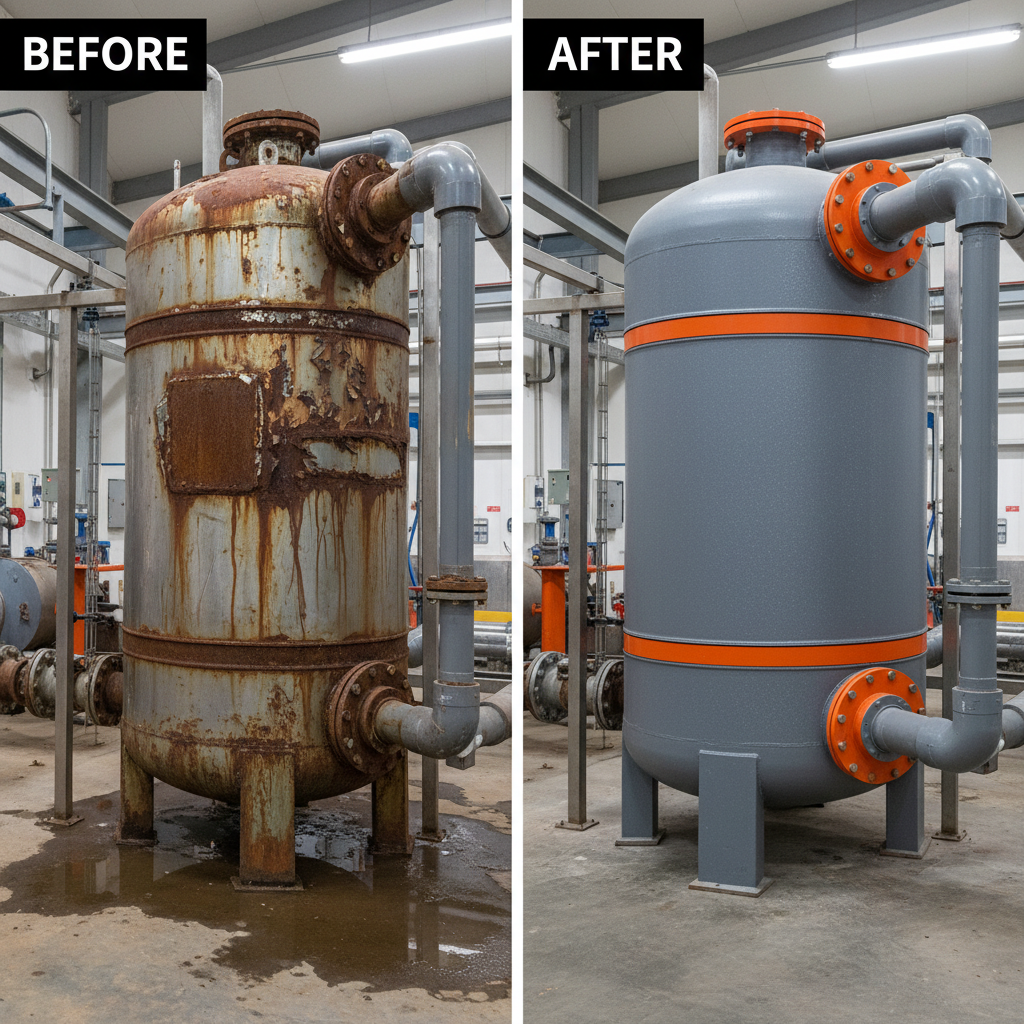
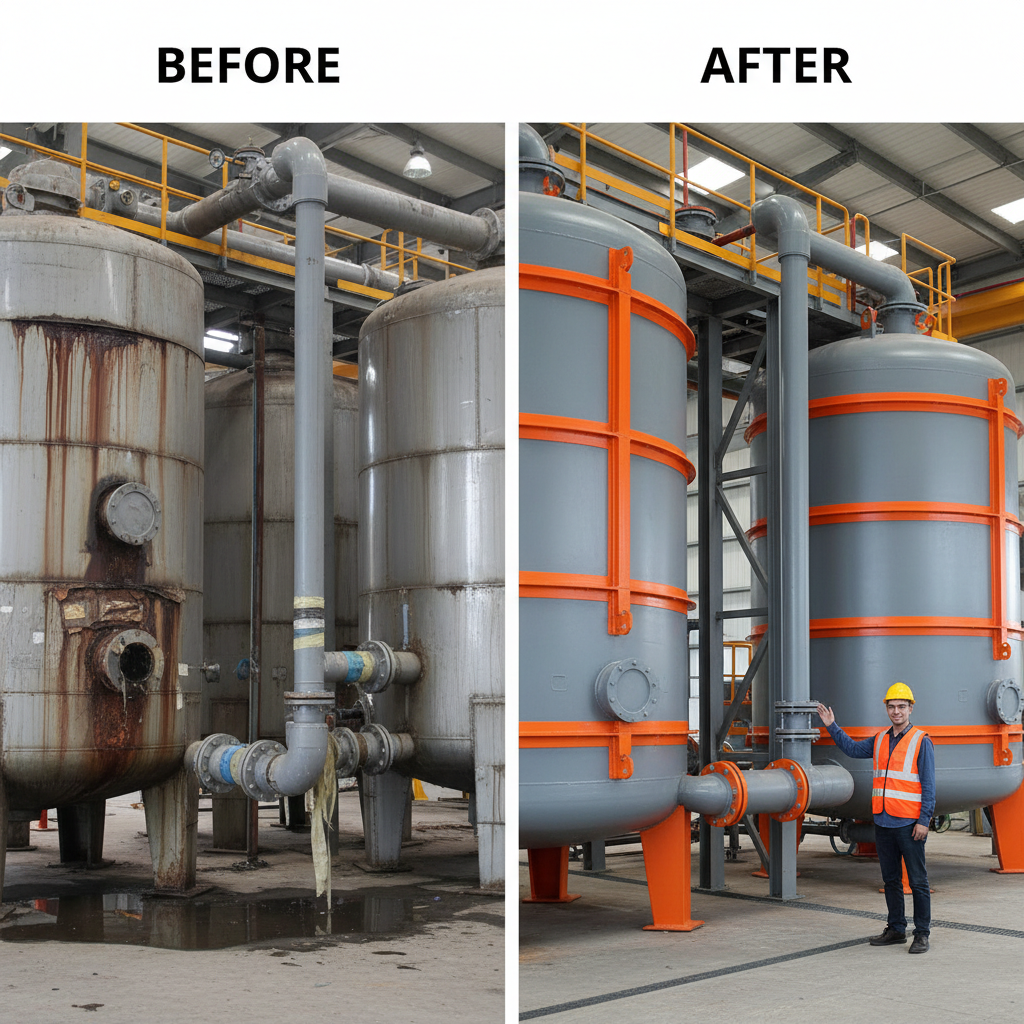
Unlike metal tanks, fiberglass won't rust. Unlike concrete, it won’t crack easily or impart taste or smell to the water. That makes them ideal for everything from municipal treatment plants to remote water delivery stations and even emergency relief setups.
In humanitarian contexts, they can be rapidly deployed to disaster zones, providing safe water storage in places where infrastructure is damaged or nonexistent. Industries needing process water also rely on these tanks because purity can’t be compromised.
Mini takeaway: Fiberglass potable water tanks combine technical rigor and practical safety to meet modern water needs efficiently.
Core Components That Make Fiberglass Water Tanks Shine
Durability
One of the most valued features is durability. Fiberglass tanks resist corrosion from chemicals, UV radiation, and harsh weather. According to many engineers I've spoken with, that means lifespans well beyond traditional steel tanks, sometimes exceeding 30 years without major issues.
Scalability & Customization
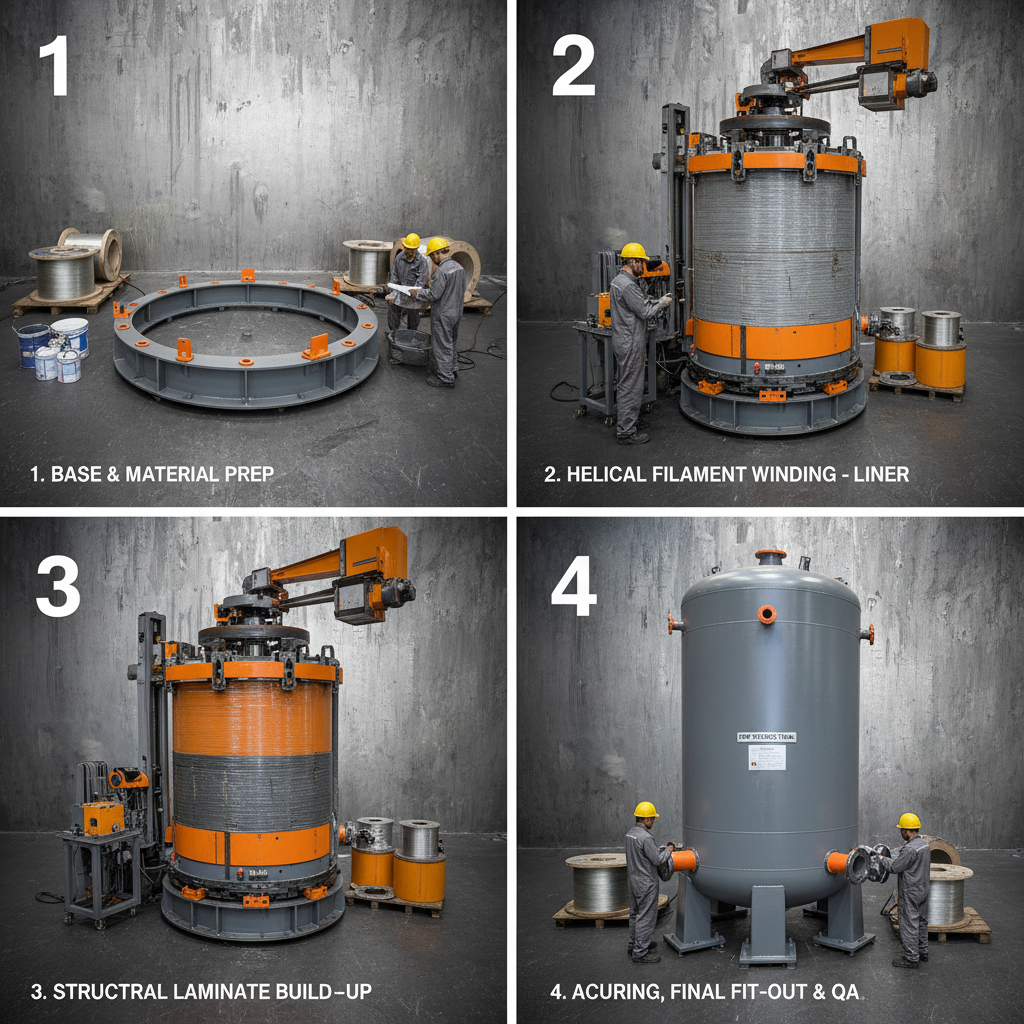
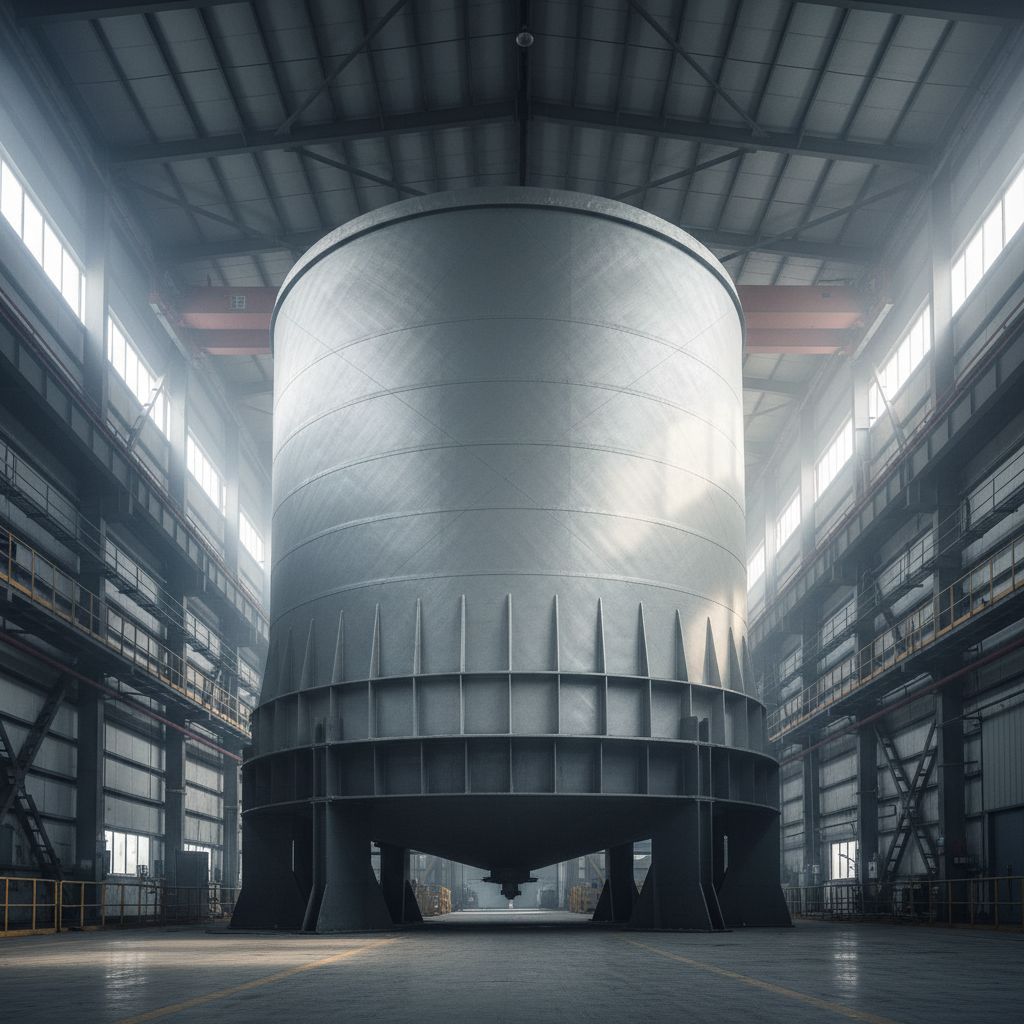
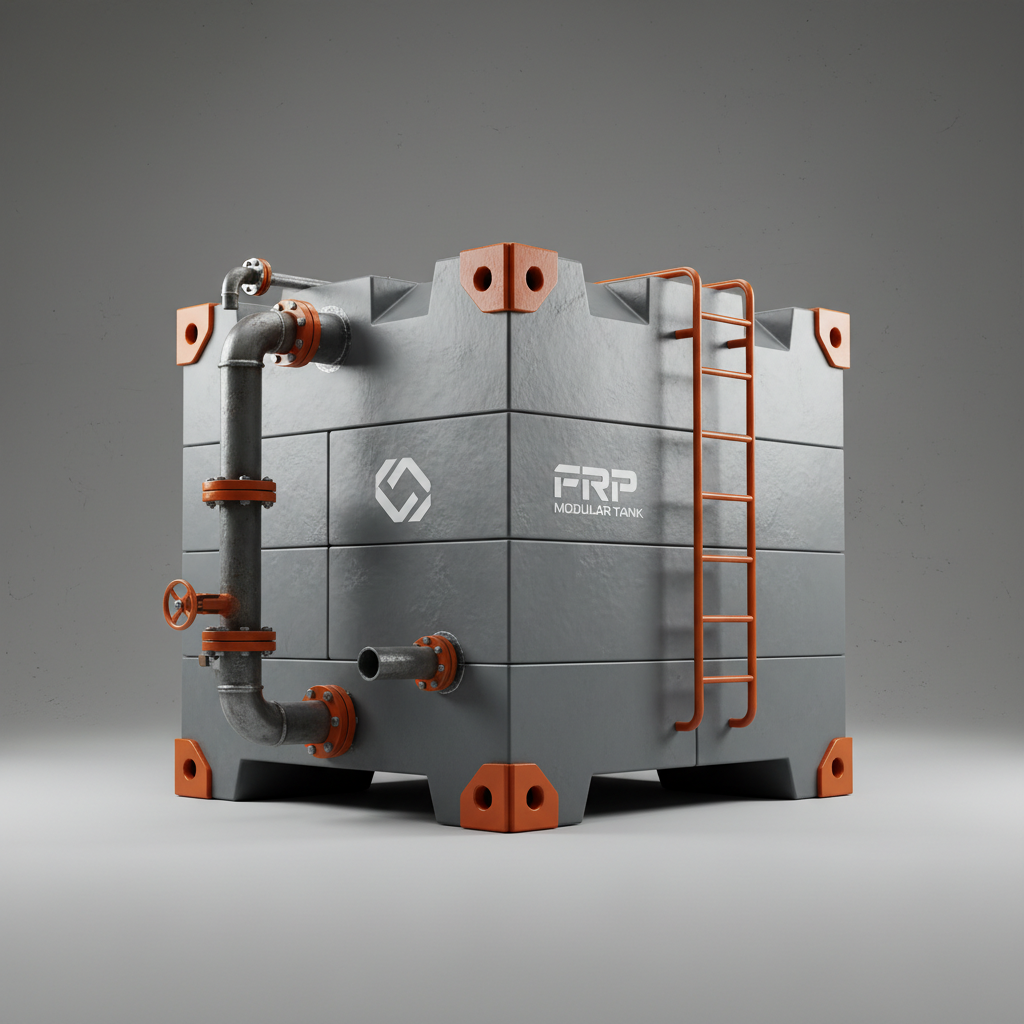
These tanks come in all shapes and sizes—from a few hundred gallons to several hundred thousand gallons. Custom molding and modular assembly allow them to fit diverse environments or logistical constraints. Industries like agriculture, mining, and municipal water suppliers love that flexibility.
Lightweight & Easy Installation
Compared to concrete or steel, a fiberglass tank is notably lighter, reducing transport and installation costs. For remote projects or fast deployments, this can be a game-changer — literally cutting weeks from project timelines.
Cost Efficiency
While initial costs can be higher than plastic tanks, the total cost of ownership is often lower because of longevity and lower maintenance needs. Less corrosion and fewer repairs mean savings over time — an attractive proposition for municipalities and private operators alike.
| Feature | Detail |
|---|---|
| Material | Glass Fiber Reinforced Plastic (GRP/FRP) |
| Capacity Range | 500 gallons to 500,000 gallons+ |
| Lifespan | 20-35 years (depending on environment) |
| UV Resistance | High |
| Certifications | FDA compliant, NSF/ANSI 61, ISO 9001 manufacturing |
| Weight | Approx. 20-40% lighter than steel tanks of similar capacity |
Real-World Applications of Fiberglass Potable Water Tanks
Fiberglass water tanks have gone well beyond niche industrial use — they’re actively employed worldwide in dozens of contexts:
- Post-disaster relief: After hurricanes or earthquakes, NGOs deploy portable tanks to provide clean water storage until permanent systems are restored.
- Remote industrial sites: Mining and oil companies use them where hauling heavy steel tanks is impractical.
- Agriculture irrigation: Farmers in arid regions install large tanks to collect and store seasonal rains safely.
- Urban water utilities: Cities integrate these tanks into treatment plants and storage reservoirs with customized features for monitoring water quality.
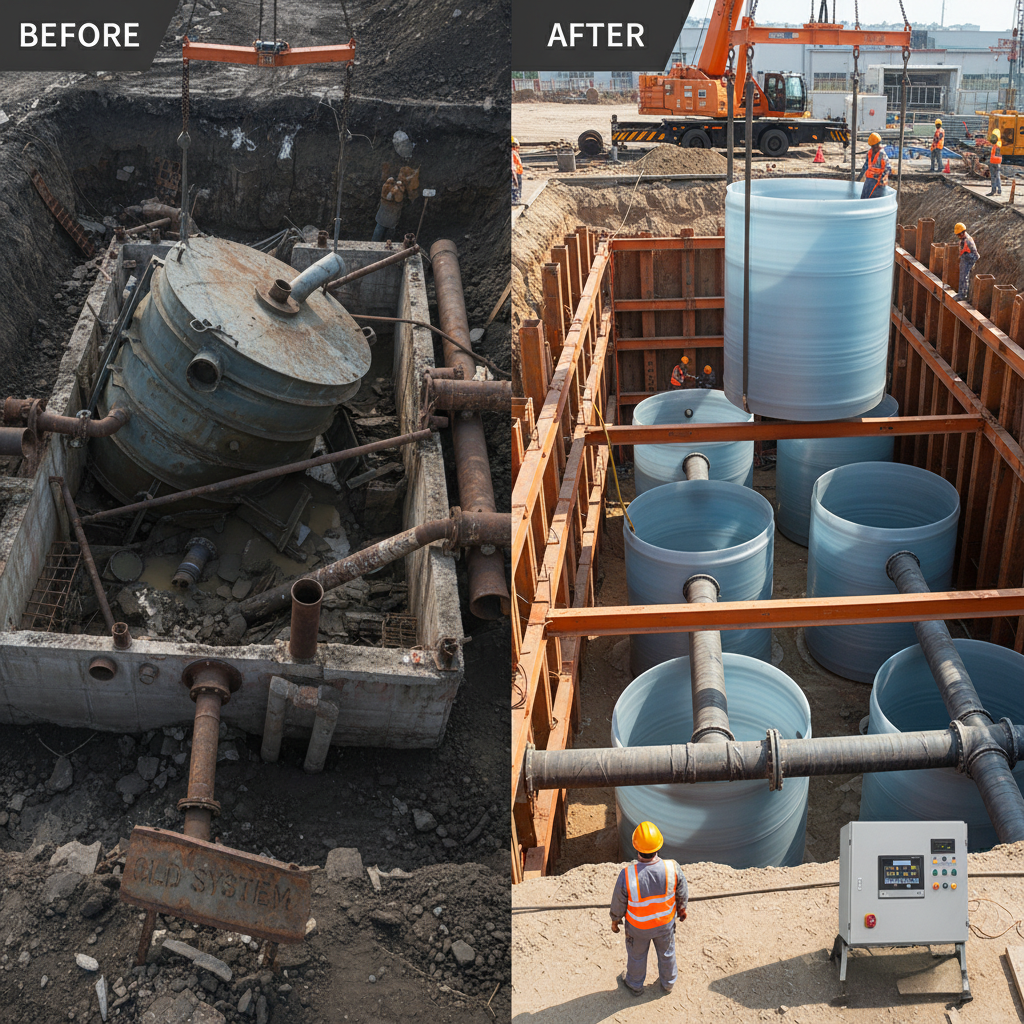
For example, I heard from a community water project in East Africa where these tanks replaced aging steel ones, drastically reducing contamination and water losses due to leakage. Quite the upgrade for safety and efficiency.
Mini takeaway: Their versatility and durability have made fiberglass potable water tanks a backbone technology for diverse water management challenges worldwide.
Why Choose Fiberglass? Advantages Beyond the Obvious
Beyond durability and customization, these tanks offer other advantages worth noting:
- Sustainability: Many manufacturers now incorporate recycled materials and environmentally friendly resins, improving the green profile.
- Health & Safety: Non-toxic, non-corrosive surfaces help prevent biofilm and microorganism growth, ensuring water purity.
- Cost-Effectiveness: Lower maintenance frequency means fewer interventions, less downtime, and saved budgets over decades.
- Peace of Mind: Especially in regions where trust in infrastructure is low, seeing clean, well-maintained fiberglass tanks provides communities with a reassuring symbol of safe water access.
So, it’s a bit of emotional and logical reassurance rolled into one — something not every piece of infrastructure achieves.
Future Trends & Innovations in Fiberglass Water Storage
Interestingly, this sector is experiencing quiet but significant innovation. Some developments to watch out for include:
- Advanced Resin Technologies: Bio-based resins and enhanced UV stabilizers are reducing environmental impact and improving durability.
- Embedded Sensors: Digital sensors for water quality, temperature, and structural integrity are making tanks smarter and enabling predictive maintenance.
- Automated Fabrication: 3D printing and robotics are being explored for easier customization and faster production times.
- Integration with Green Energy: Solar coatings or hybrid systems that combine water storage with energy capture/storage solutions.
All adding up to smarter, cleaner, and more resilient potable water storage.
Common Challenges and Practical Solutions
Of course, no technology is without flaws or barriers:
- Initial Investment: Sometimes fiberglass tanks have higher upfront costs than alternatives, causing hesitation for budget-restricted projects.
- Repair Complexity: While durable, if damaged, repairs require specialized knowledge and materials.
- UV Degradation Over Time: Although improved, some tanks can suffer from long-term exposure without protective coatings.
Solutions? Many suppliers now offer full-service warranties, on-site installation training, and modular designs that simplify repairs. Furthermore, ongoing R&D to develop longer-lasting coatings and bioresins is promising for future resilience.
| Vendor | Capacity Range | Lead Time | Warranty | Specialty |
|---|---|---|---|---|
| AquaFib Tanks Co. | 1,000 - 100,000 gal | 4-6 weeks | 10 years | Custom shapes, embedded sensors |
| PureHold Fiberglass | 500 - 50,000 gal | 3-5 weeks | 7 years | UV-resistant coatings |
| Global Tank Solutions | 10,000 - 500,000 gal+ | 6-8 weeks | 12 years | Modular, heavy-duty tanks for industrial use |
FAQ: Your Top Questions About Fiberglass Potable Water Tanks
Q1: How long can a fiberglass potable water tank last in harsh environments?
A1: Typically, these tanks last between 20 to 35 years, thanks to their corrosion resistance and UV protection. Proper maintenance can extend their lifespan even further. However, extreme environments might require UV protective coatings or regular inspections.
Q2: Are fiberglass tanks safe for storing drinking water?
A2: Absolutely. Certified fiberglass potable water tanks meet FDA and NSF/ANSI 61 standards, ensuring they do not leach harmful chemicals and maintain water purity throughout storage.
Q3: Can these tanks be transported and installed remotely?
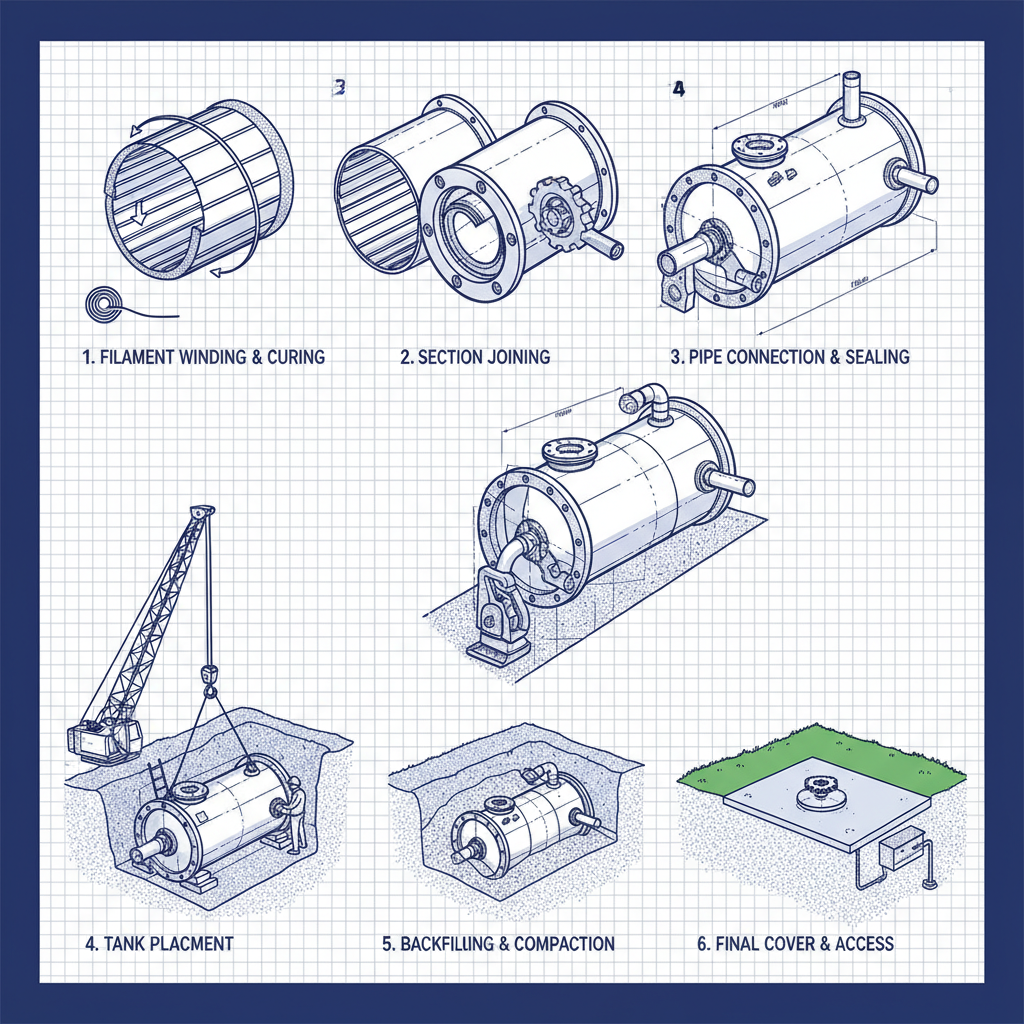
A3: Yes, their lightweight design compared to steel or concrete makes them ideal for remote sites. Many vendors offer modular options to simplify shipping and assembly on site.
Q4: How do fiberglass tanks compare cost-wise to traditional steel tanks?
A4: While fiberglass tanks often have a higher upfront cost, their reduced maintenance, longer lifespan, and resistance to corrosion generally make them more cost-effective over time.
Q5: Are there sustainable manufacturing options available?
A5: Increasingly, manufacturers incorporate recycled glass fibers and bio-based resins to reduce environmental impact, aligning with green infrastructure goals.
Wrapping Up: Why Fiberglass Potable Water Tanks Are Worth Considering
In the grand scheme of water infrastructure, fiberglass potable water tanks may seem like a humble product. But their role in safeguarding water quality, enabling rapid deployment, and lasting through tough conditions cannot be overstated. Whether you’re managing a municipal supply, running a remote industrial camp, or delivering emergency relief, these tanks offer unmatched value and peace of mind.
To explore top-quality solutions and learn more, visit fiberglass potable water tanks and discover how you can invest in durable, clean water storage for decades ahead.