Fiberglass Pressure Vessel – Lightweight, Durable, and Corrosion Resistant Solutions
The Global Importance of Fiberglass Pressure Vessels: Why You Should Care
If you've ever wondered what keeps critical gases or liquids safely contained under high pressure, fiberglass pressure vessels might be behind it. These specialized containers, wrapped in layers of fiberglass-reinforced polymer, have quietly become integral in industries from water treatment to aerospace. Why does this matter globally? Projects involving clean water, sustainable energy, and even emergency relief all hinge on sturdy, lightweight vessels that resist corrosion and last for decades — and fiberglass pressure vessels fit that bill.
Understanding this topic isn’t just academic chatter; it’s about grasping a widespread technology that keeps modern infrastructure humming — safely and efficiently.
Setting the Stage: Fiberglass Pressure Vessels in the Global Industry Landscape
Tackling the bigger picture first: The demand for durable, corrosion-resistant containment systems has skyrocketed worldwide. According to the International Standards Organization (ISO 11120) and various United Nations studies on sustainable infrastructure, the market for advanced pressure vessels is expected to grow more than 7% annually over the next decade, primarily driven by water purification, industrial gas storage, and renewable energy sectors.
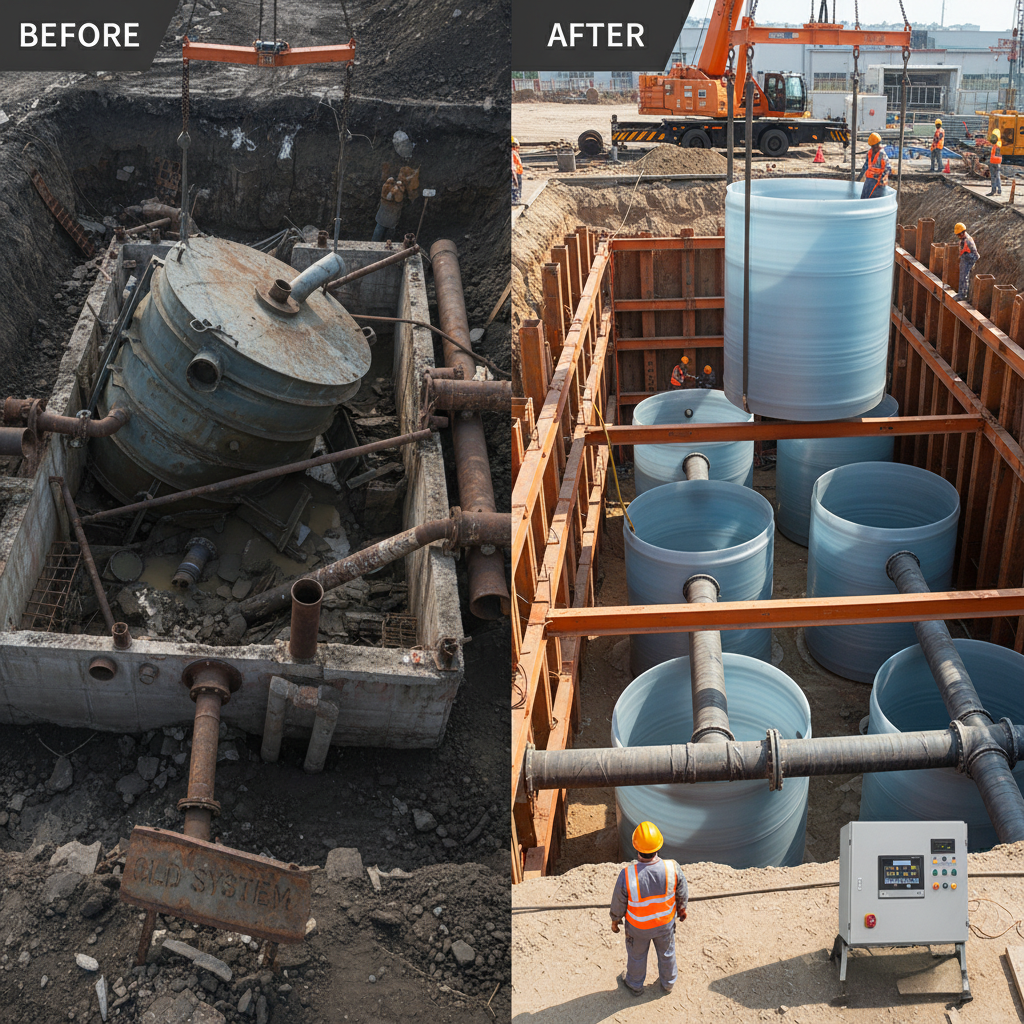
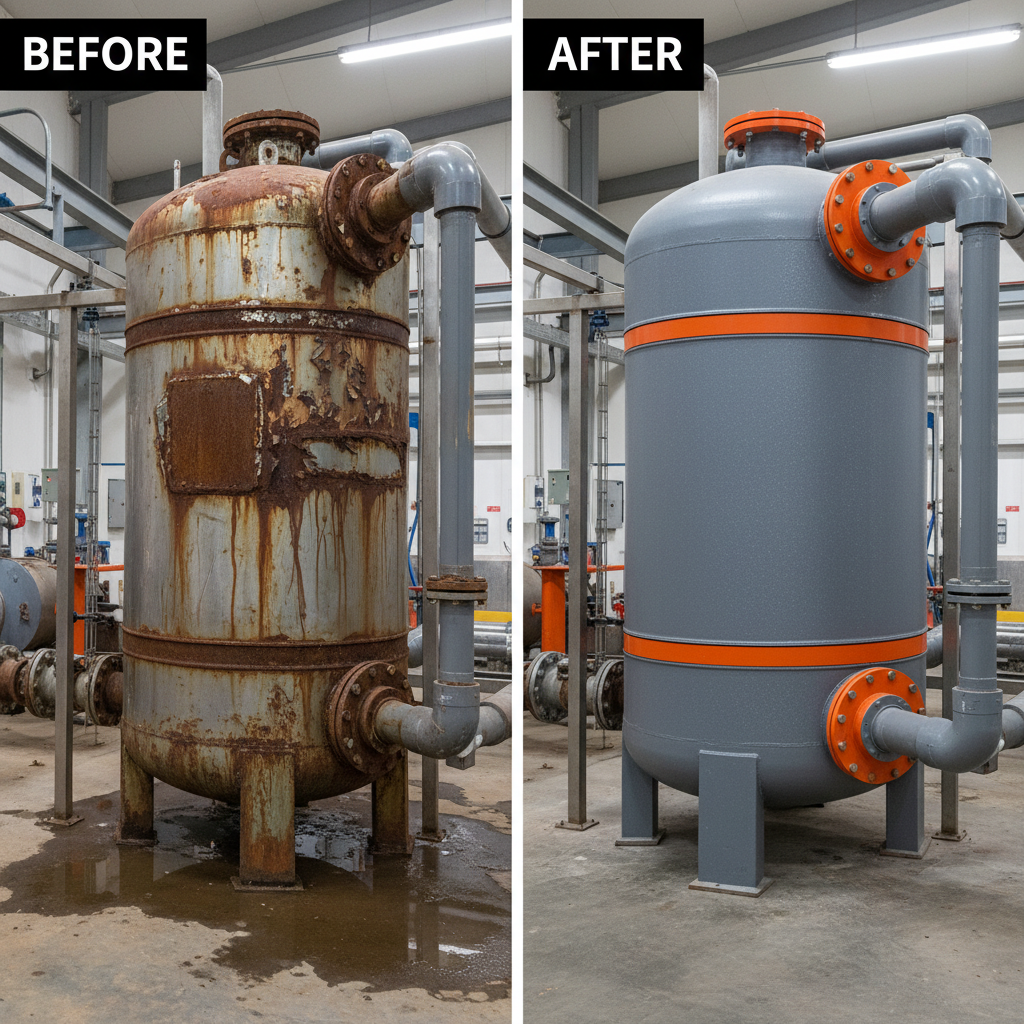
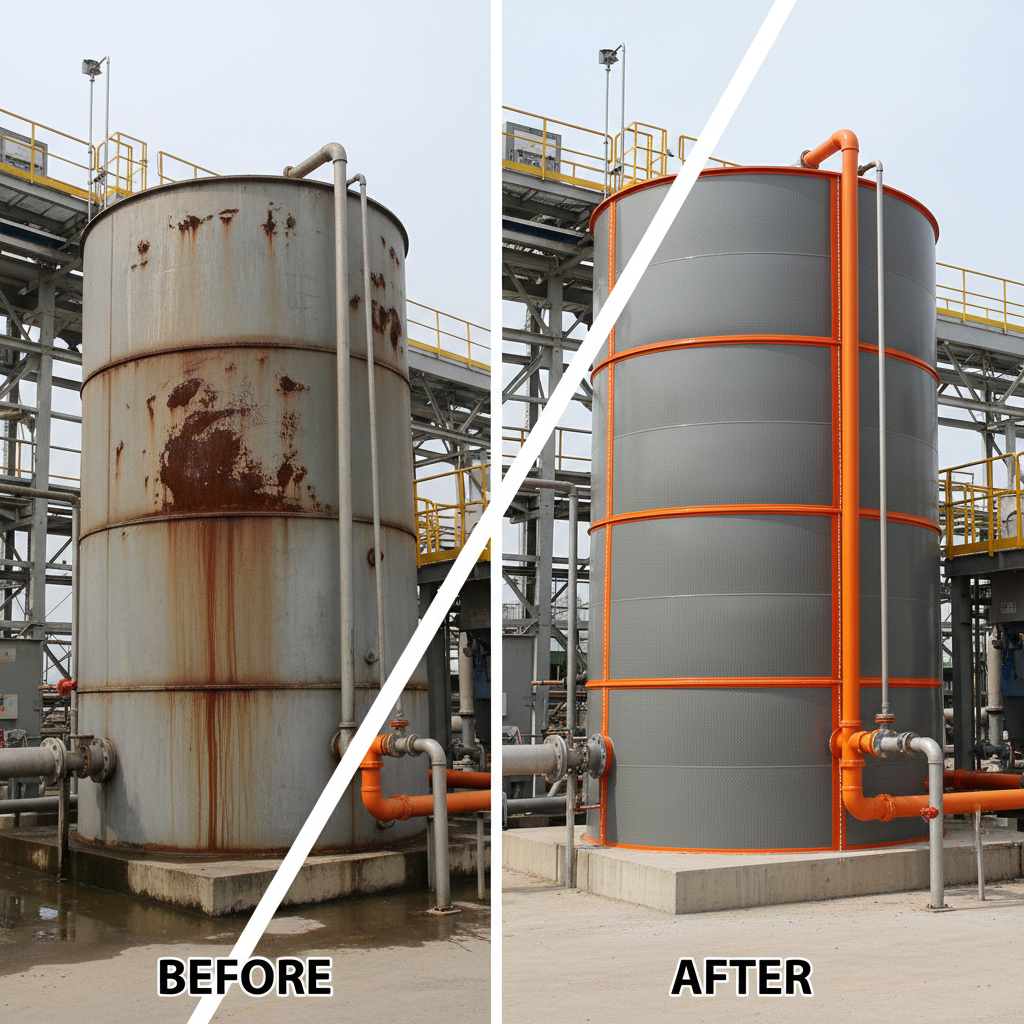
The problem? Traditional steel tanks, although strong, suffer from corrosion, weight issues, and costly maintenance. This creates substantial operational challenges, especially in harsh environments or remote areas. Enter fiberglass pressure vessels — designed to sidestep these very issues.
What Exactly Is a Fiberglass Pressure Vessel?
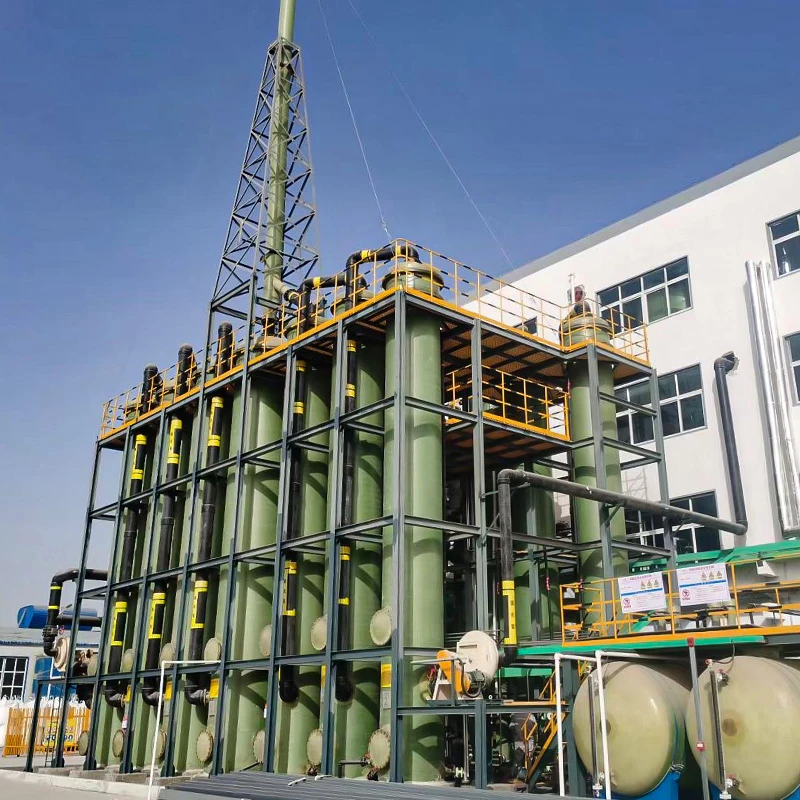
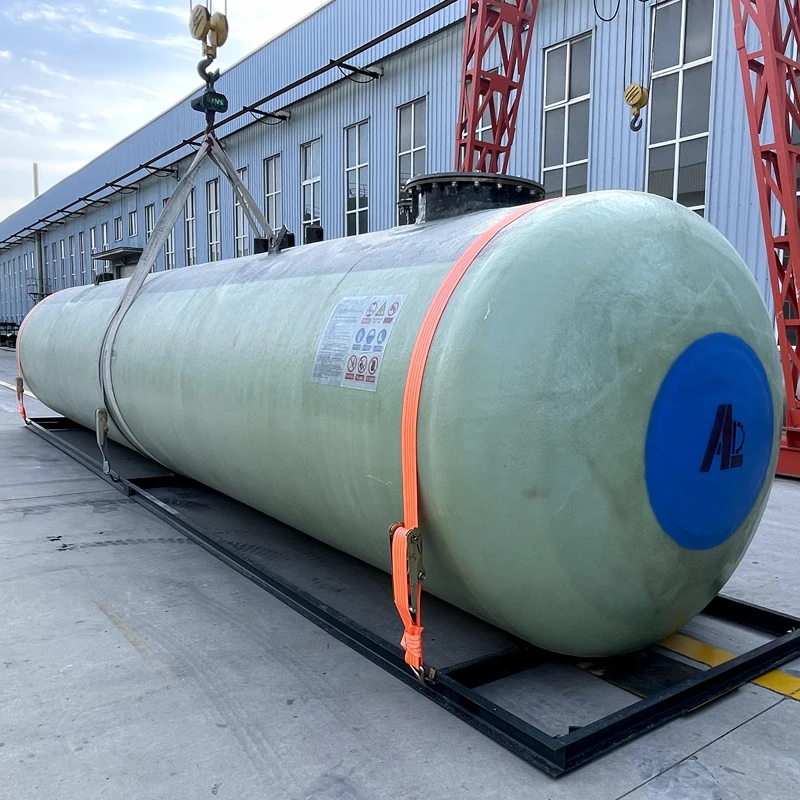
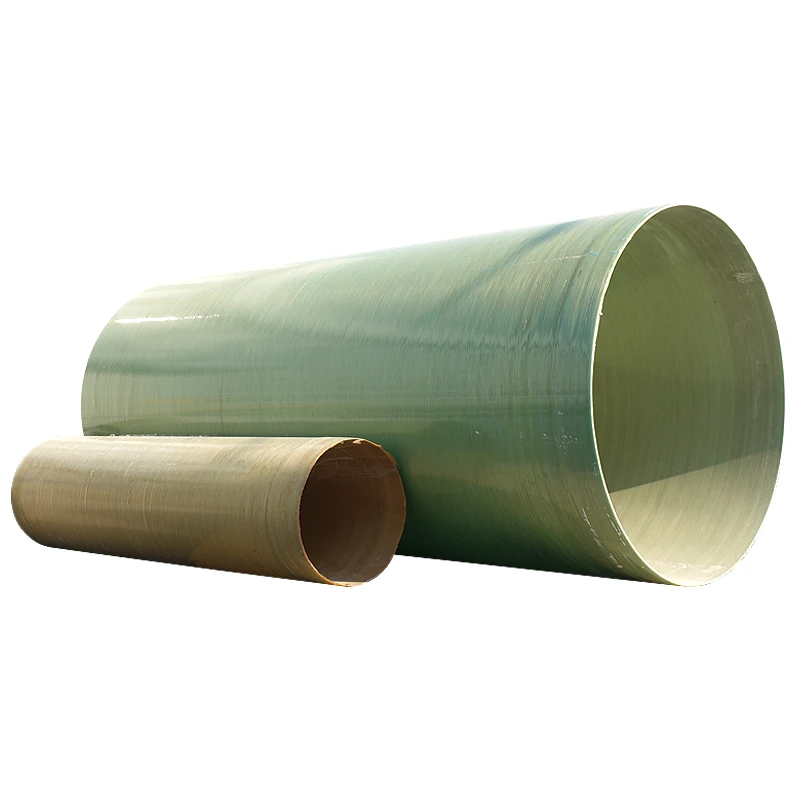
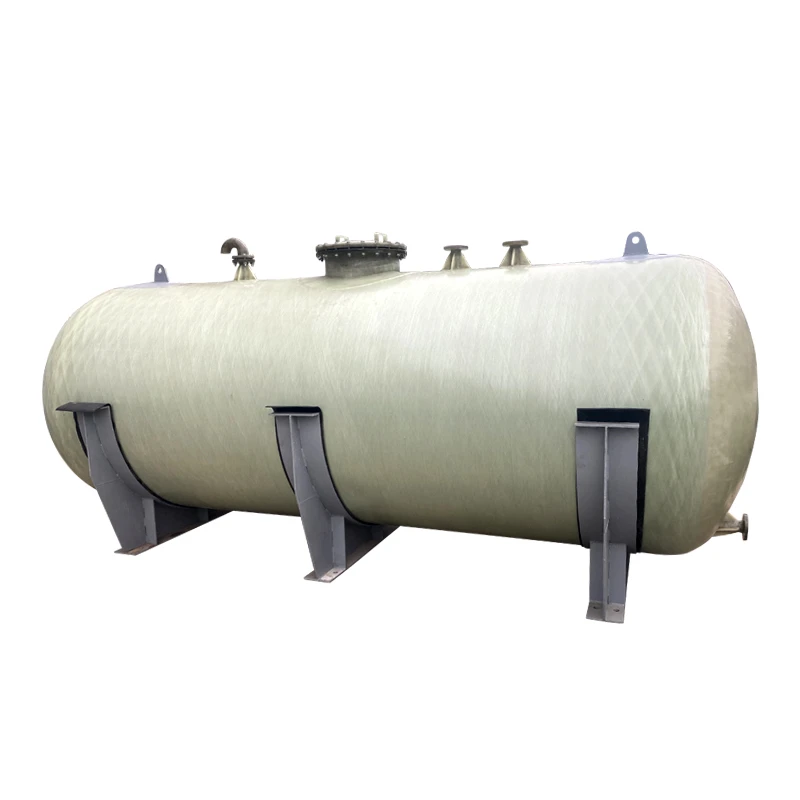
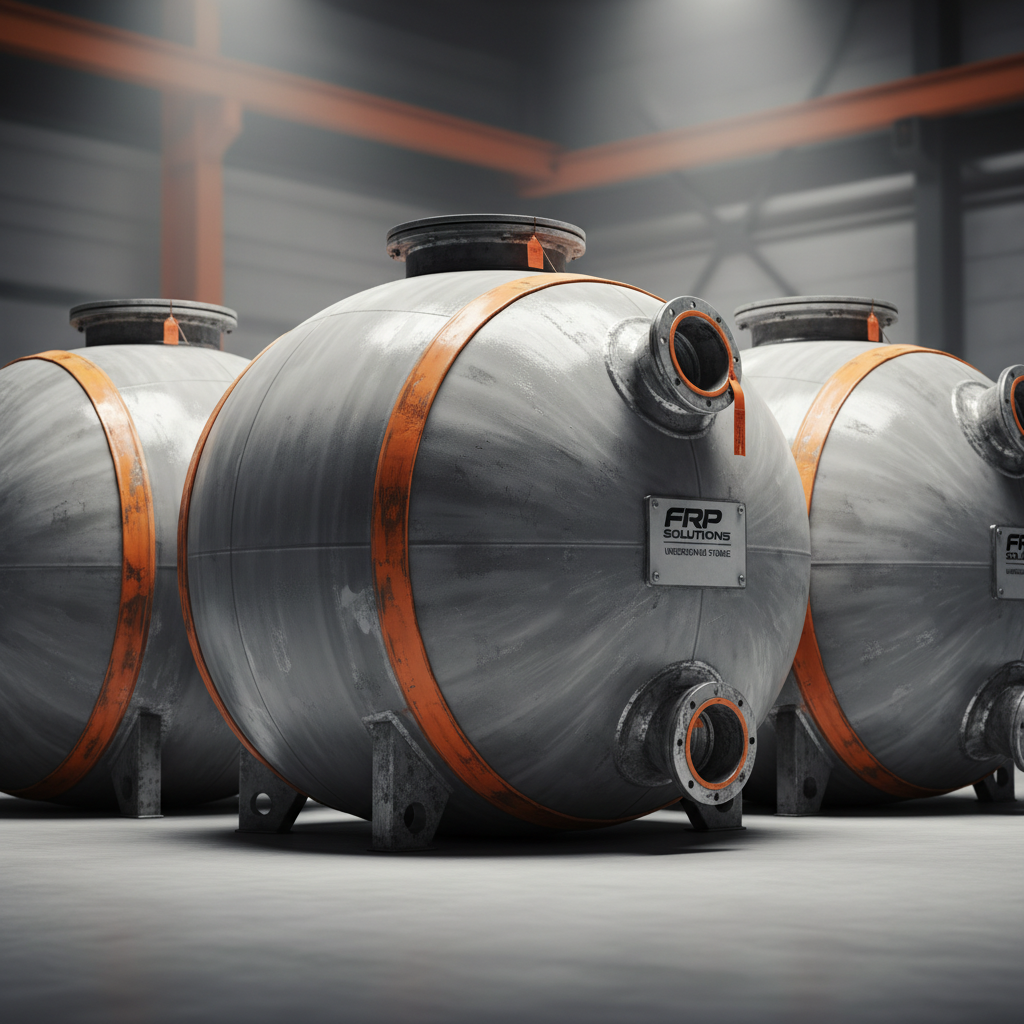
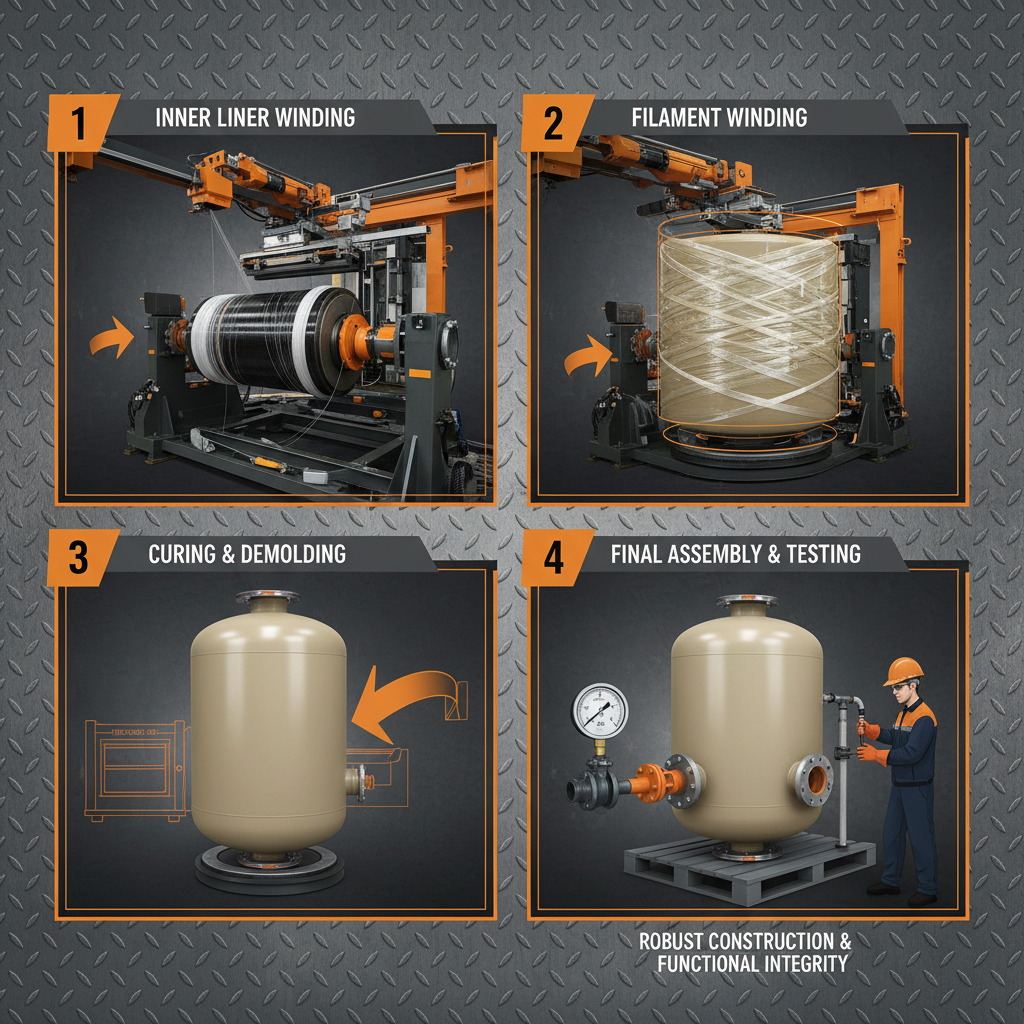
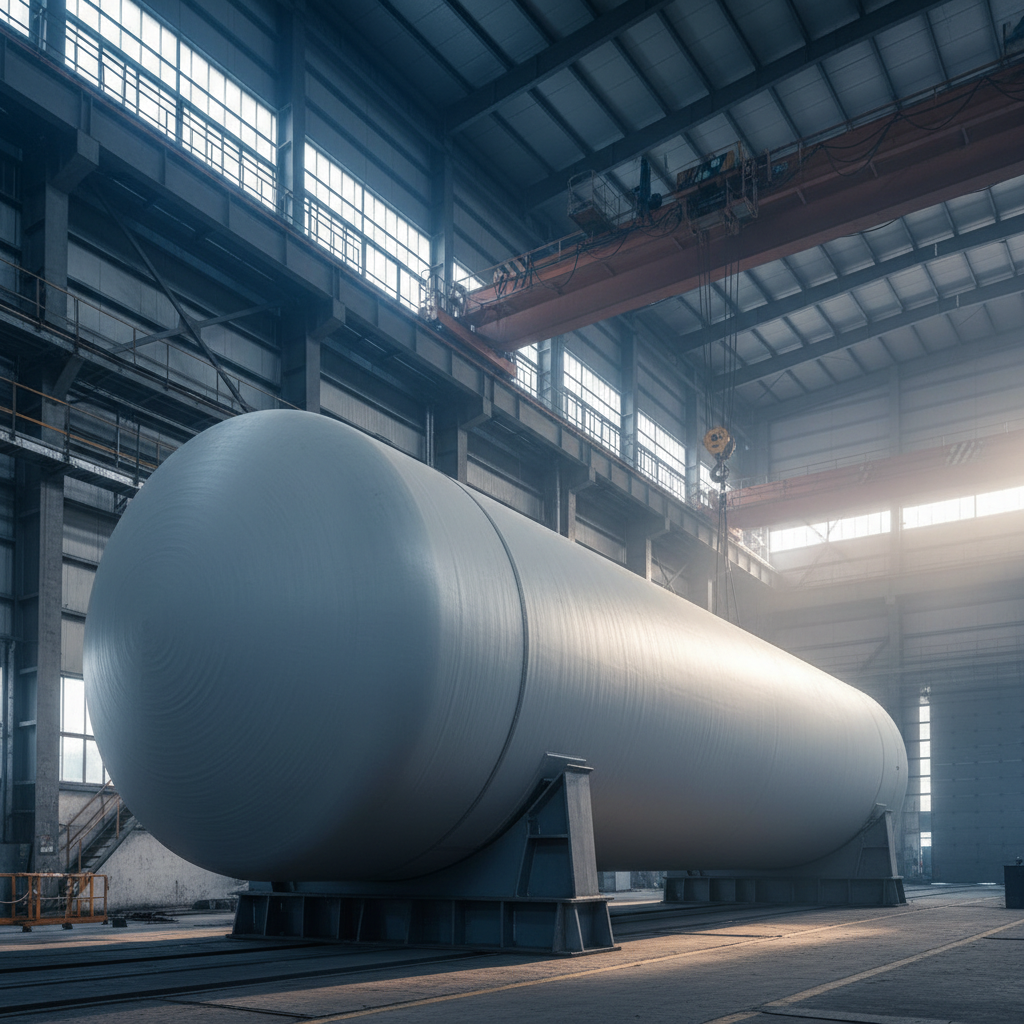
Put simply, a fiberglass pressure vessel (FPV) is a container engineered to hold gases or liquids at pressure, with its main structural integrity derived from layers of fiberglass wrapped around a resin core. Think of it as a high-tech composite bottle that’s strong, light, and resistant to rust.
These vessels are a modern twist on containment technology, blending advanced materials science with practical needs — notably in industries where weight saving, corrosion resistance, and durability can’t be compromised. In global relief efforts too, FPVs help provide clean water storage without the risk of contamination or failure.
Core Components and Key Factors Defining FPVs
Durability: A Robust Companion
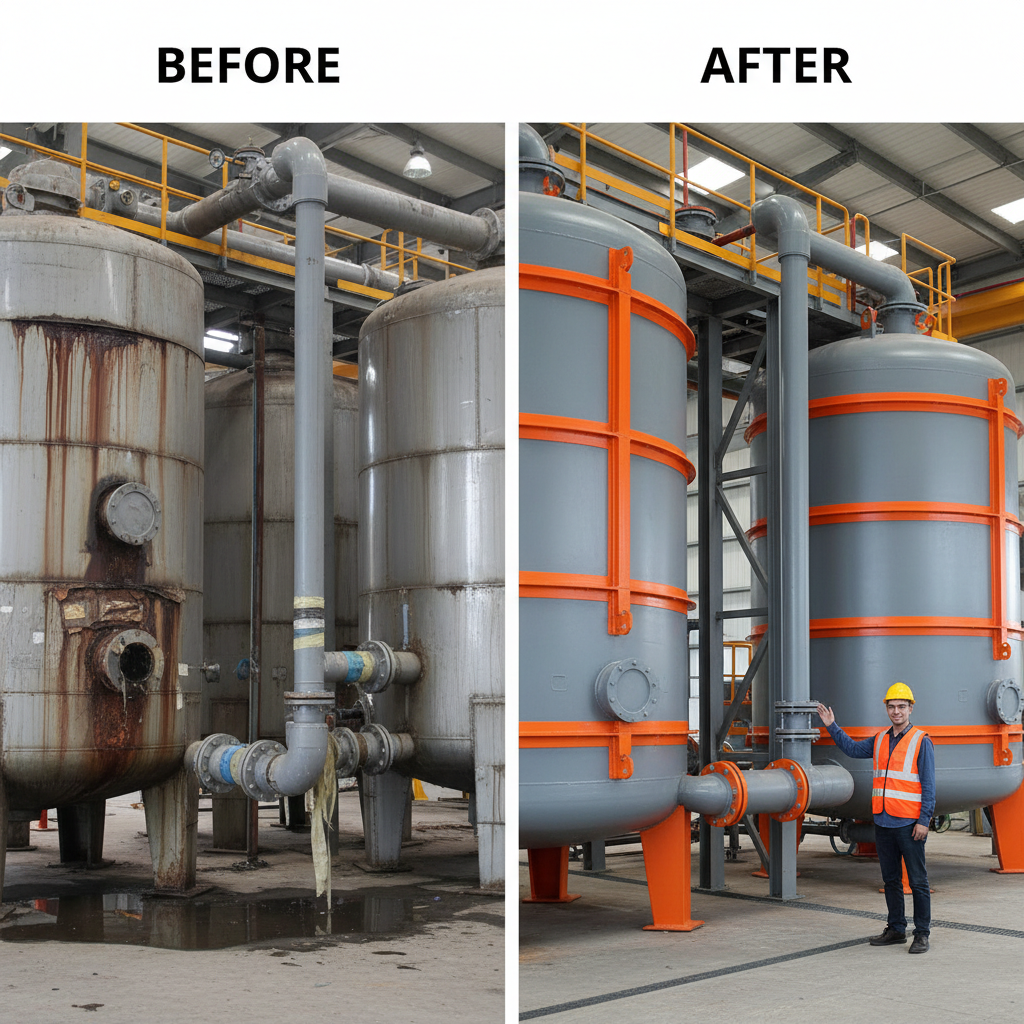
Durability is arguably the top reason many industries prefer fiberglass pressure vessels. Unlike metal tanks, FPVs resist corrosion from saltwater, chemicals, and atmospheric moisture. Many engineers note that this dramatically cuts maintenance downtime and replacement costs.
Lightweight Design for Easy Transport
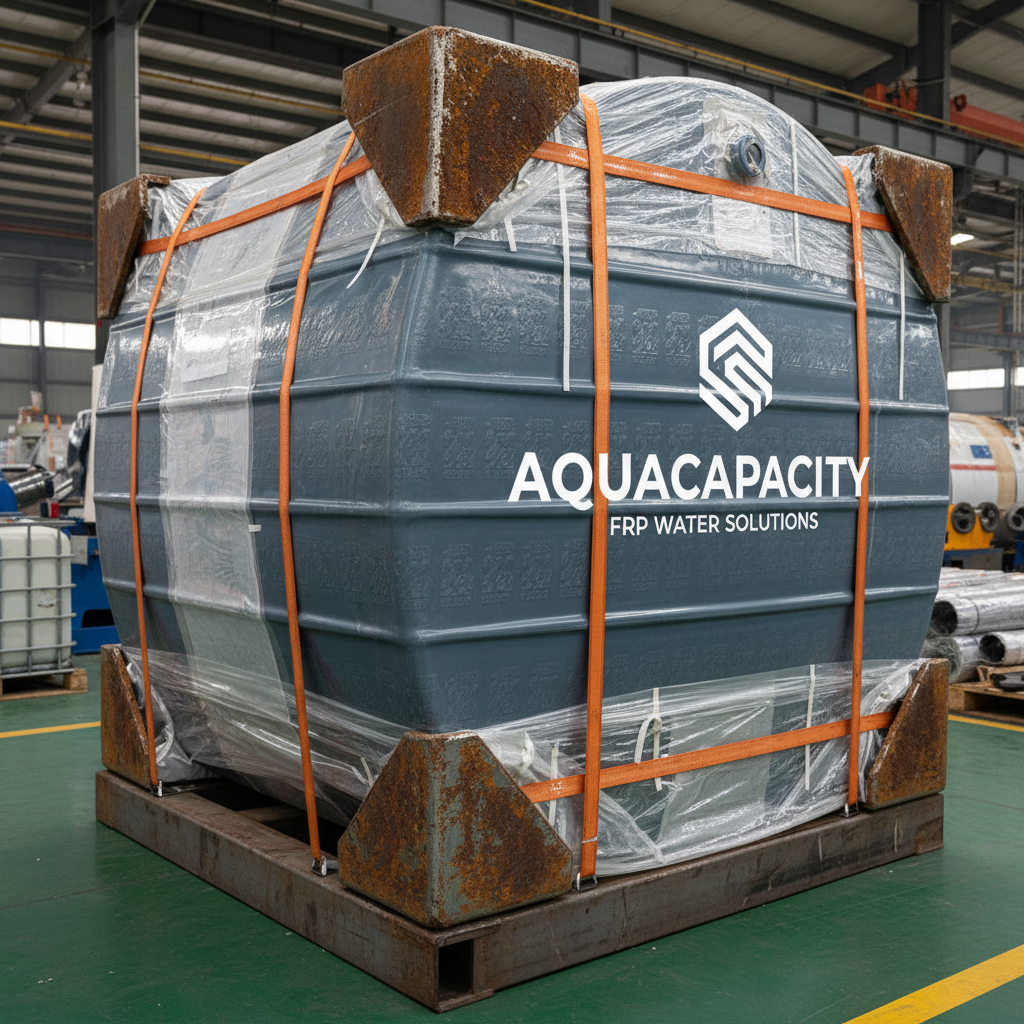
One cannot overlook the lightweight nature of fiberglass composites. When you’re shipping tanks to remote mining operations or putting them on airborne drones for emergency supplies, every kilo counts. The reduced weight simplifies installation and reduces logistical headaches.
Cost Efficiency Over Time
Upfront, FPVs might seem pricier compared to standard steel options. However, many industrial users report lower total cost of ownership after factoring in fuel savings for transport, less frequent replacements, and fewer corrosion repairs. In real terms, spending a bit more initially delivers serious dividends down the road.
Safety and Compliance
Pressure containment is serious business. These vessels meet rigorous standards such as ASME and ISO certification, ensuring reliable operations without unexpected catastrophic failures. They’re also designed to withstand high pressure spikes and environmental stresses, crucial in volatile industrial settings.
Environmental Resistance
Fiberglass pressure vessels excel under UV exposure, seismic events, and chemical attack, making them indispensable in challenging environments — offshore platforms, deserts, or flood-prone zones alike.
Mini Takeaway:
FPVs stand out because they combine strength, lightness, cost-effectiveness, and a safety-first design that suits diverse industrial demands.
Typical Product Specifications for Fiberglass Pressure Vessels
| Feature | Specification |
|---|---|
| Material | Fiberglass Reinforced Polymer (FRP) with epoxy resin |
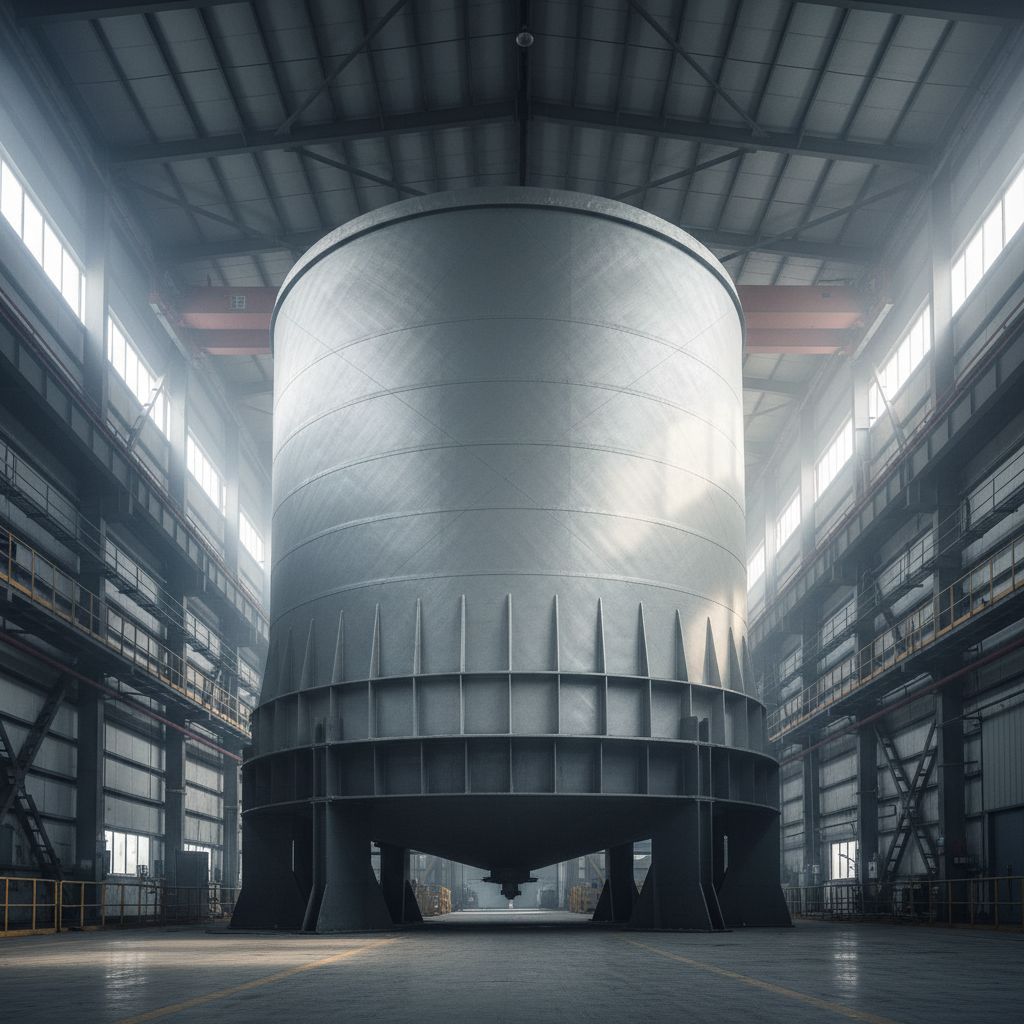
| Diameter | 0.5 meters to 3 meters (custom sizes available) |
| Pressure Rating | Up to 300 psi (varies by design) |
| Operating Temperature | -40 °C to +120 °C |
| Weight | Typically 40-60% lighter than steel alternatives |
| Lifetime | 25+ years under normal operating conditions |
Who Uses Fiberglass Pressure Vessels? Global Applications and Use Cases
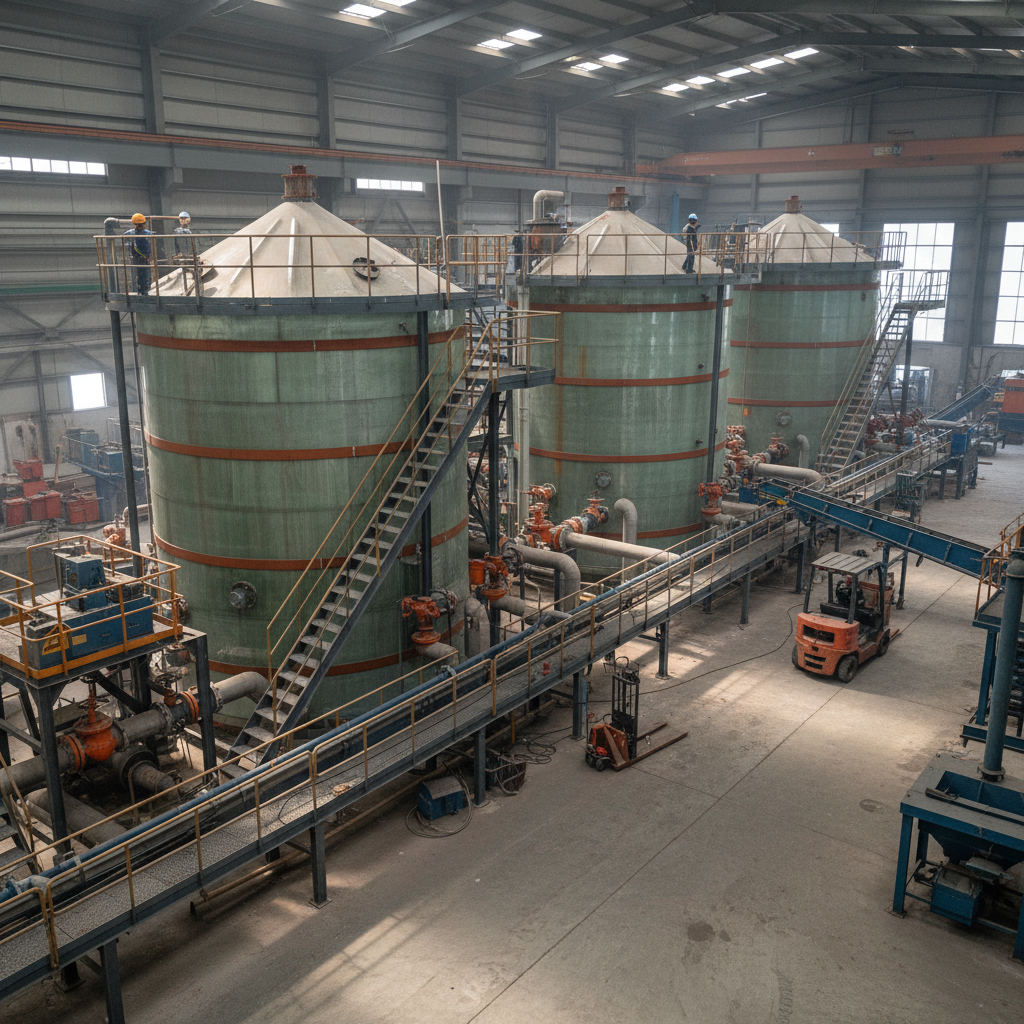
I've noticed these vessels pop up in all sorts of domains: municipal water plants in Southeast Asia rely on them for filtration systems; offshore oil rigs in the North Sea store compressed air safely; and post-disaster relief groups use fiberglass pressure vessel technology to deploy rapid water purification units after floods or earthquakes.
Industrial zones in remote Africa and Australia also lean on their durability and light weight — since shipping heavy steel tanks can be prohibitively expensive there.
So whether it’s clean water, battery storage for green energy, or compressed gas containment, fiberglass pressure vessels are fast becoming the silent heroes of modern infrastructure.
Vendor Comparison: Fiberglass Pressure Vessel Providers
| Vendor | Price Range | Custom Options | Lead Time | Certifications |
|---|---|---|---|---|
| FRP Global Industries | $$$ | Diameter, Pressure Rating, Color | 6-8 weeks | ISO 9001, ASME |
| Composite Tanks Ltd. | $$ | Pressure, End Caps | 4-6 weeks | ISO 9001 |
| Global FRP Solutions | $$$$ | Full Custom Engineering | 8-10 weeks | ASME, API |
Why Fiberglass Pressure Vessels Offer Long-Term Value
If safety and cost alone don’t convince you, consider the sustainability angle. Steel production generates significant CO2 emissions, while fiberglass vessels last longer and require less upkeep — a win for the planet and the budget. Operators value the peace of mind, knowing these vessels won’t fail unexpectedly.
There’s also the social side: in many water-scarce regions, reliable storage means health and dignity; that kind of impact can’t be underestimated.
The Road Ahead: Innovations Shaping Fiberglass Pressure Vessels
Industry insiders talk about the integration of smart sensors embedded on the vessel surface to monitor pressure, temperature, and wear in real time. Coupled with AI-driven analytics, predictive maintenance is now closer than ever — preventing failures before they occur.
Sustainable resin alternatives and higher strength composites could make FPVs even lighter and greener. The digital revolution touches all corners, including this niche.
Challenges and How Industry is Tackling Them
Fiberglass composites aren’t perfect. Delamination, resin degradation, and impact damage remain concerns. But ongoing research into tougher resins and manufacturing process improvements have minimized these risks substantially.
Training end users in proper installation and inspection is just as important, and many vendors now offer educational support — which I find a nice holistic touch in a high-tech market.
FAQ: Questions You Might Have About Fiberglass Pressure Vessels
1. How do fiberglass pressure vessels compare to steel tanks in terms of maintenance?
Fiberglass vessels require significantly less maintenance—mainly due to their corrosion resistance. Steel tanks often need repainting and rust treatment, which increase downtime and costs.
2. Can fiberglass pressure vessels be customized for unusual sizes or pressures?
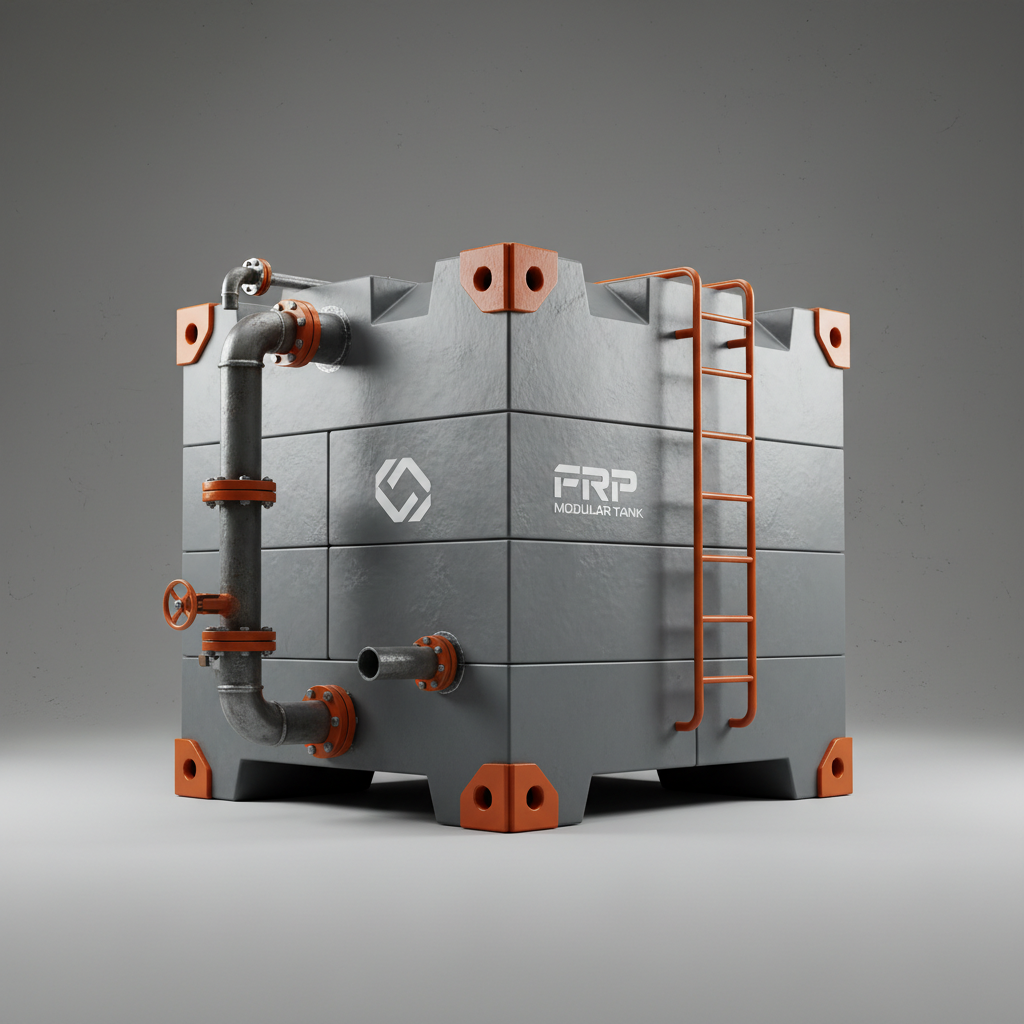
Yes, many manufacturers offer customization options for diameter, length, wall thickness, and pressure ratings to suit specific industrial needs.
3. What industries rely most heavily on fiberglass pressure vessels?
Water treatment, petrochemicals, aerospace, mining, and renewable energy sectors use these vessels extensively due to their lightweight and corrosion-resistant nature.
4. Are FPVs safe for storing drinking water?
Absolutely. When made with food-grade resins and proper liners, FPVs are ideal for potable water storage, preventing contamination and corrosion.
5. How long can a typical fiberglass pressure vessel last?
Under typical conditions, FPVs can last 25 years or more, especially if inspected and maintained per vendor guidelines.
Wrapping Up: Why Fiberglass Pressure Vessels Are Worth Your Attention
Fiberglass pressure vessels combine innovation with practical needs, offering a sustainable, reliable, and cost-effective solution for modern industry challenges. They’re not just containers — they’re enablers of progress in clean water, energy, and safe industrial operations worldwide.
Curious to learn more or explore options? Visit our website: fiberglass pressure vessel and see what the future of pressure vessels looks like.