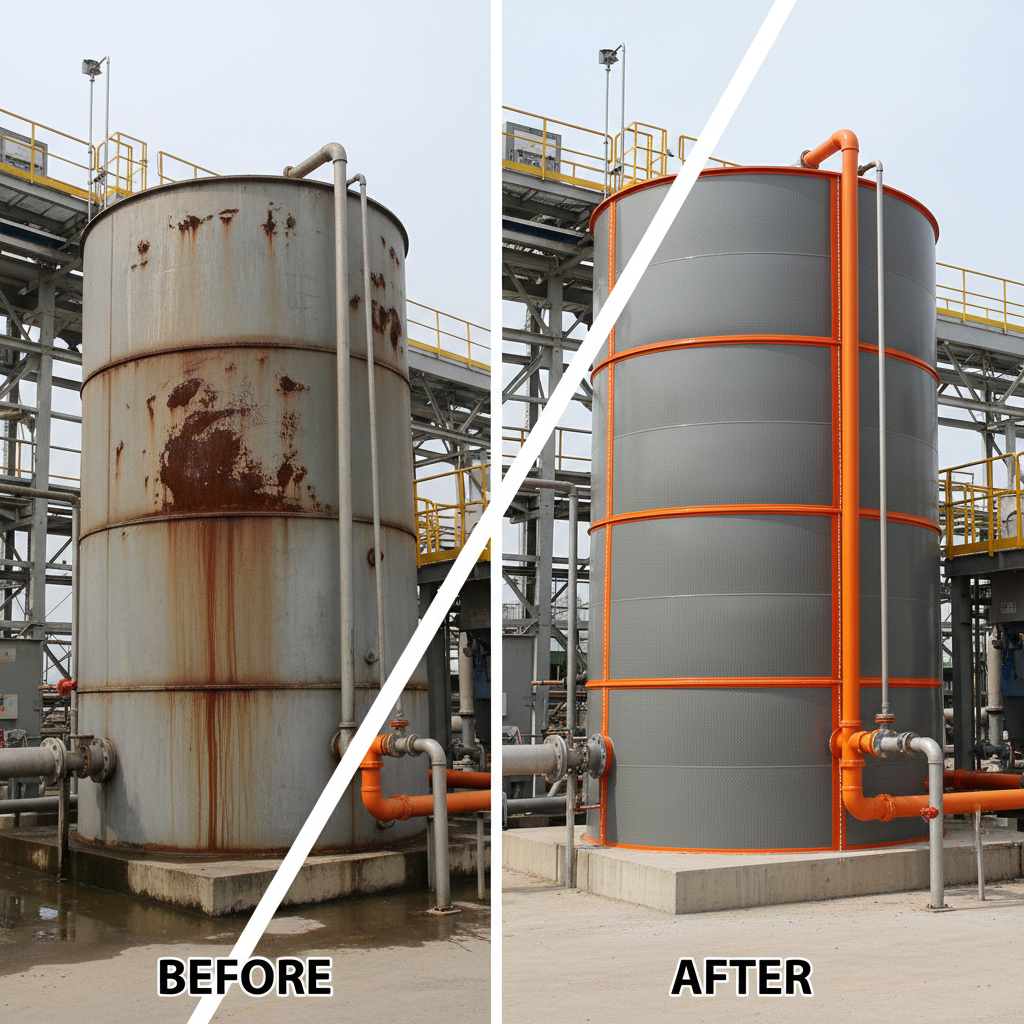
Durable & Eco-Friendly Fiberglass Rainwater Tanks for Efficient Water Storage
Fiberglass Rainwater Tanks: A Sustainable Solution for Water Storage Worldwide
Water scarcity is becoming an increasingly pressing global issue — a challenge communities, industries, and governments are scrambling to address. One practical, yet often overlooked, piece of the puzzle is how we collect and store rainwater. Enter fiberglass rainwater tanks, a modern solution gaining traction due to their durability, lightweight nature, and cost efficiency. Understanding these tanks matters not only because they improve water security but also because they represent a step toward sustainable infrastructure worldwide.
Introduction: Why Fiberglass Rainwater Tanks Matter Globally
According to UN Water, nearly 2 billion people live in countries experiencing high water stress. Climate change has only worsened these shortages by altering rainfall patterns and increasing drought frequency. In this context, collecting and storing rainwater isn’t just a “nice to have” — it’s critical for survival, agriculture, and industry.
Fiberglass rainwater tanks offer a resilient, long-lasting option for communities and businesses worldwide. Whether it’s capturing monsoon rains in Southeast Asia or supporting off-grid operations in sub-Saharan Africa, these tanks address a common problem: reliable water storage in challenging environments.
Data from the World Bank suggests that improving rainwater harvesting infrastructure could reduce water stress for millions by storing what would otherwise be lost runoff. Yet many traditional storage solutions — metal, concrete — have weaknesses that fiberglass can clearly improve upon.
What Are Fiberglass Rainwater Tanks?
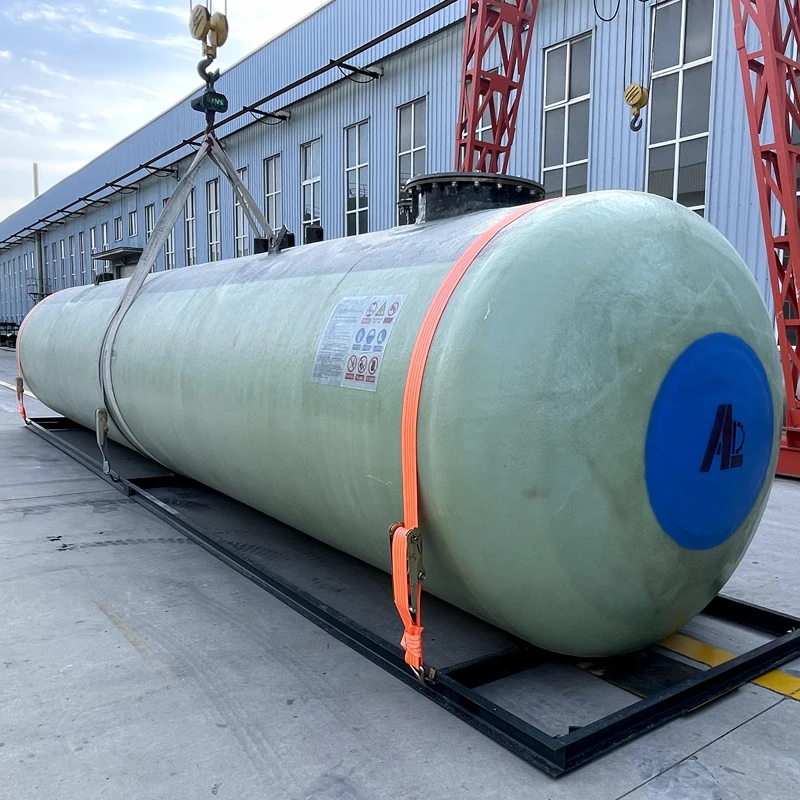
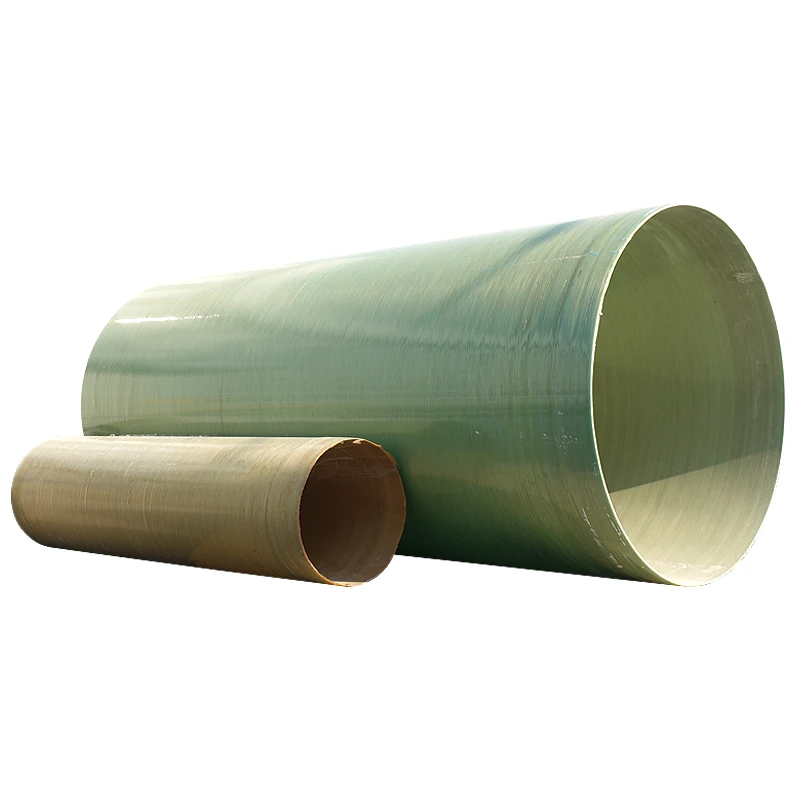
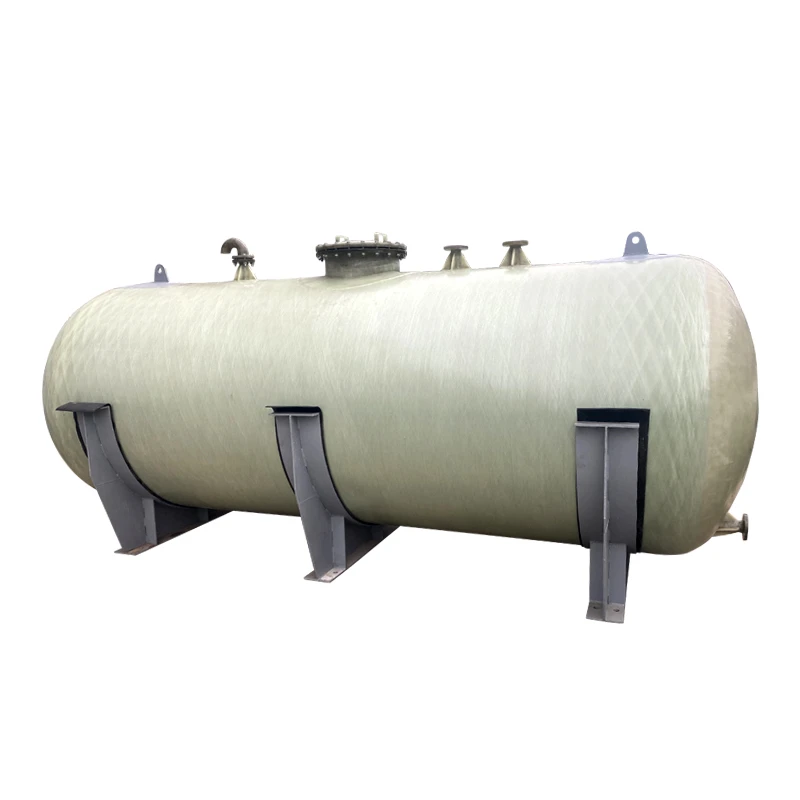
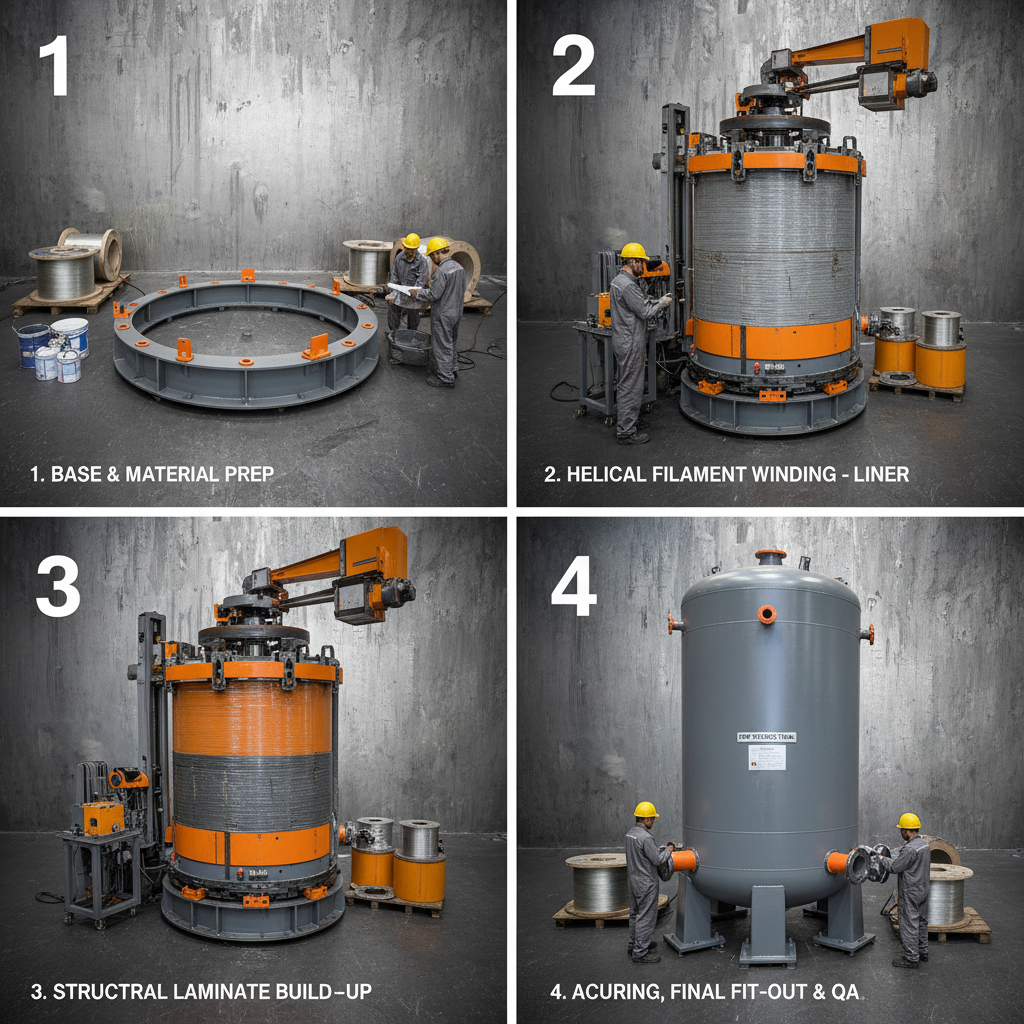
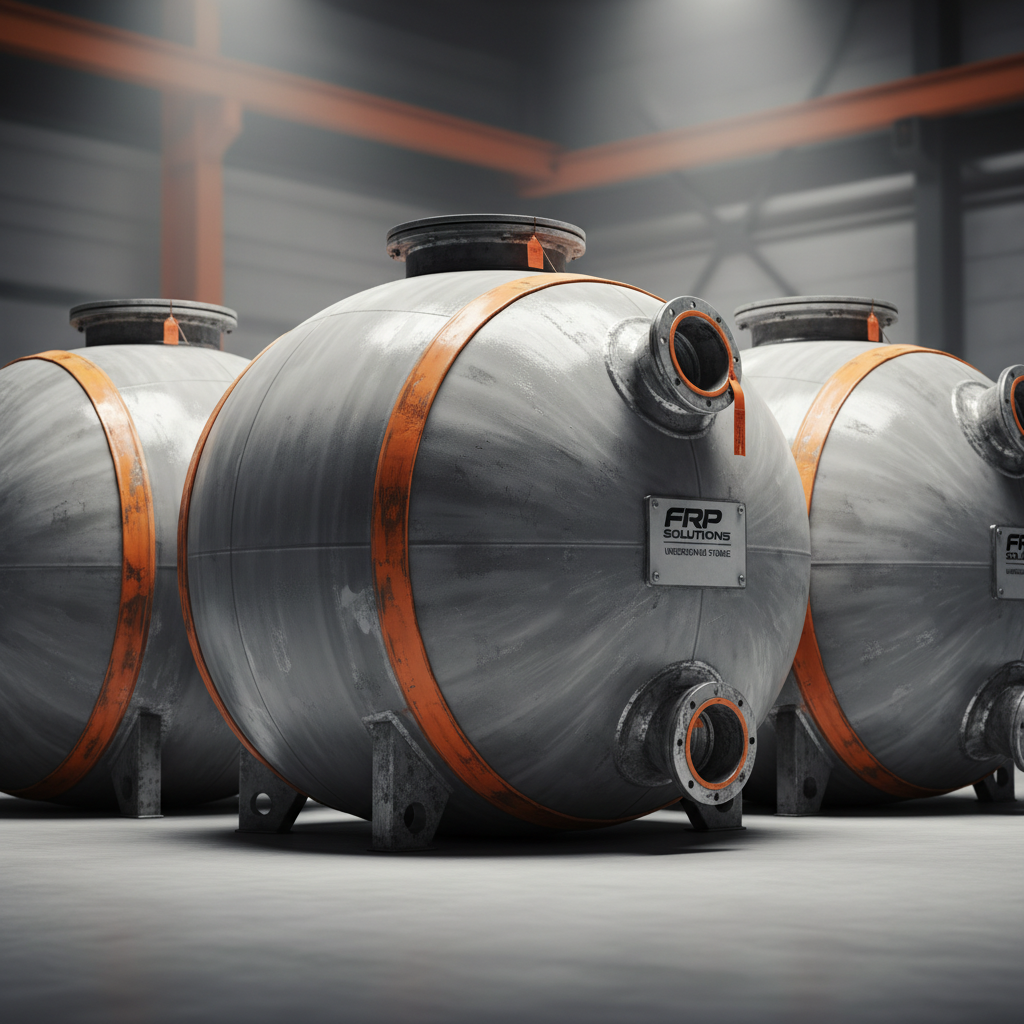
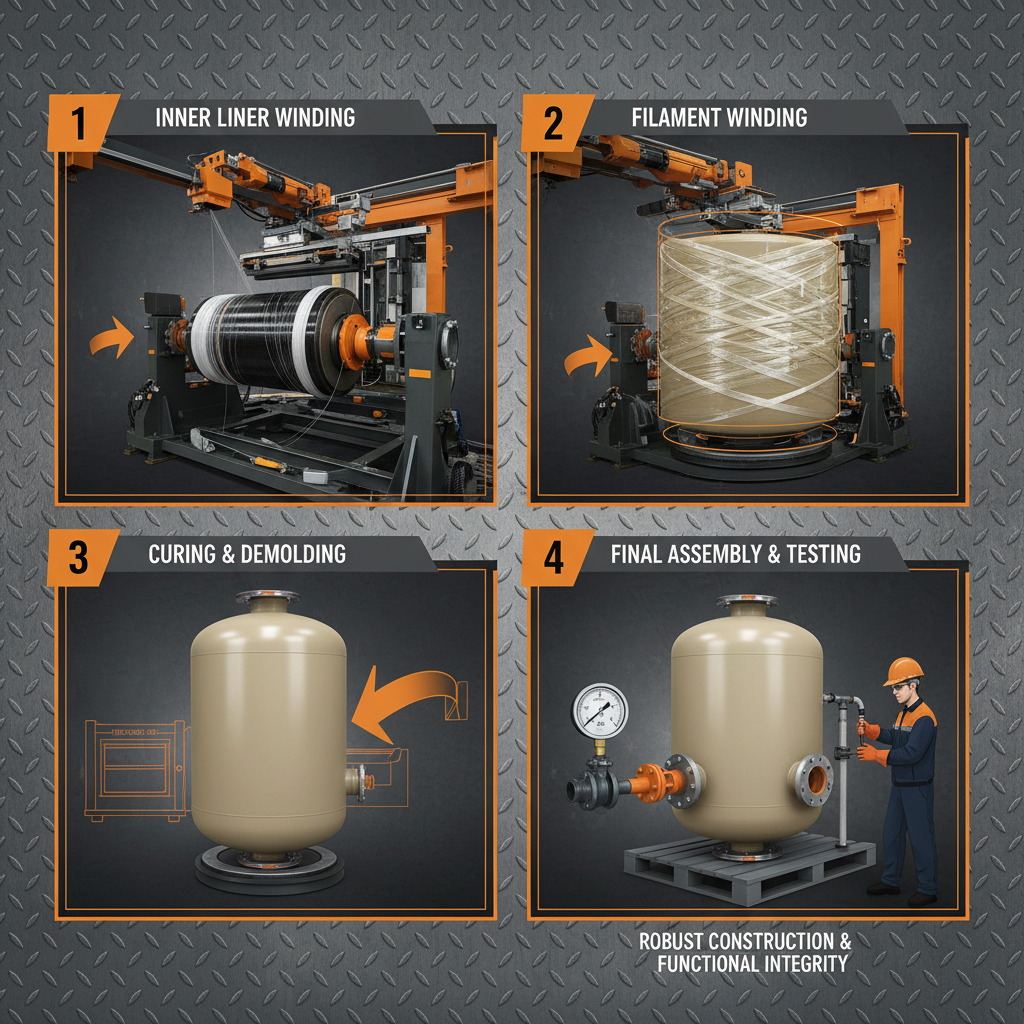
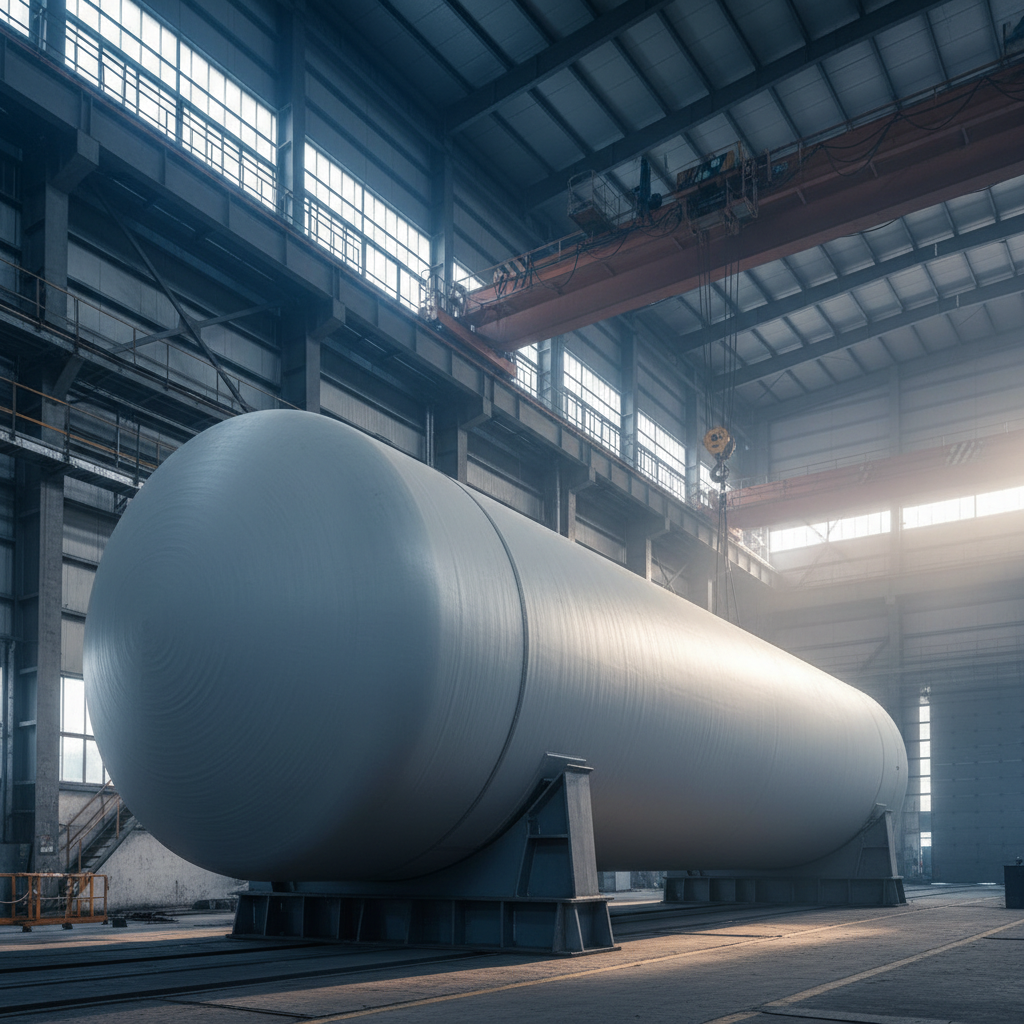
Simply put, fiberglass rainwater tanks are storage containers made primarily from glass-reinforced plastic composites. These composites combine fine glass fibers with resin to create a tough, corrosion-resistant shell that holds water safely.
In the modern industrial and humanitarian landscapes alike, these tanks are seen as vital assets. They provide a lightweight, easy-to-install alternative to heavy steel or concrete tanks, particularly in remote areas where transport and installation logistics can be daunting.
More than just “big plastic barrels,” fiberglass tanks meet strict safety and hygiene standards, making them suitable not just for irrigation but also for potable water storage.
Key Features of Fiberglass Rainwater Tanks
1. Durability
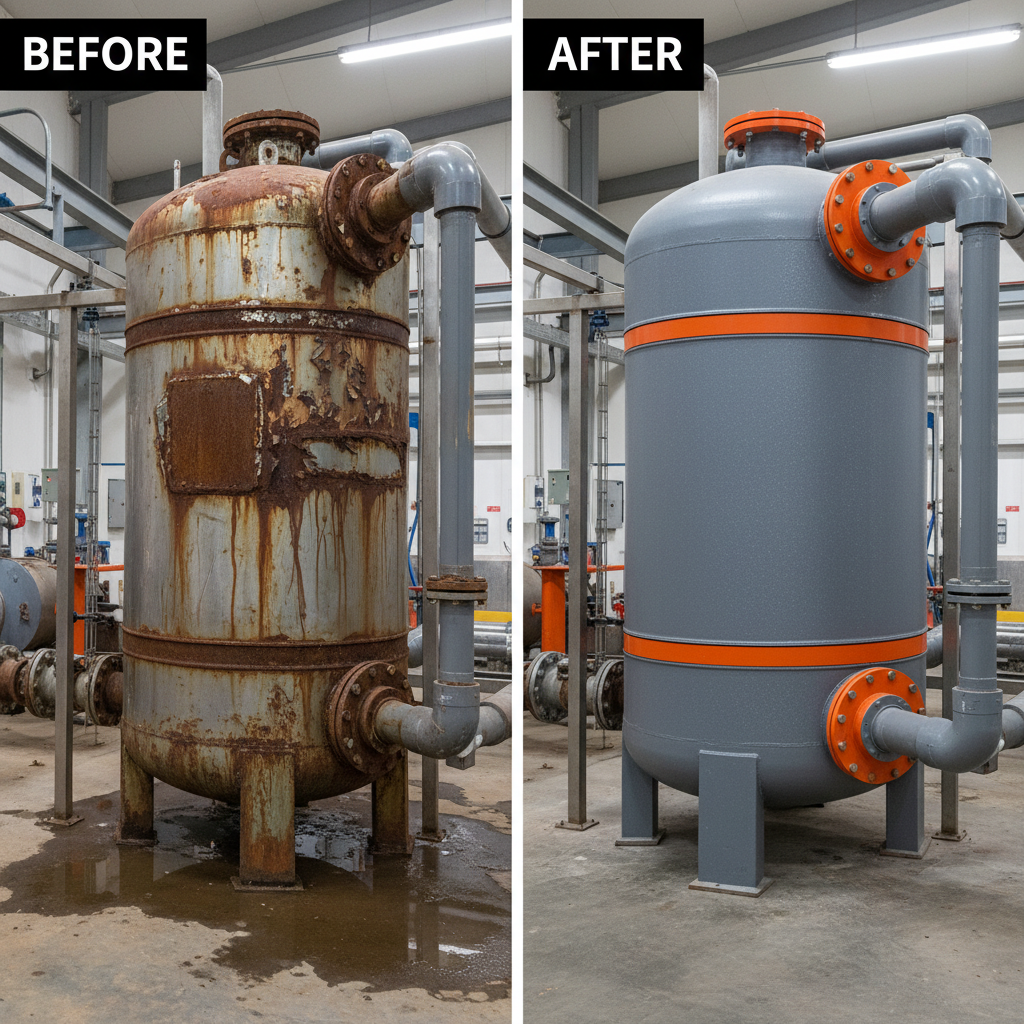
Fiberglass is known for resisting corrosion, rust, UV exposure, and chemical damage — all of which are critical for outdoor water tanks. Many engineers I've spoken with insist this is a dealbreaker for long-term water quality and system reliability.
2. Lightweight & Easy Installation
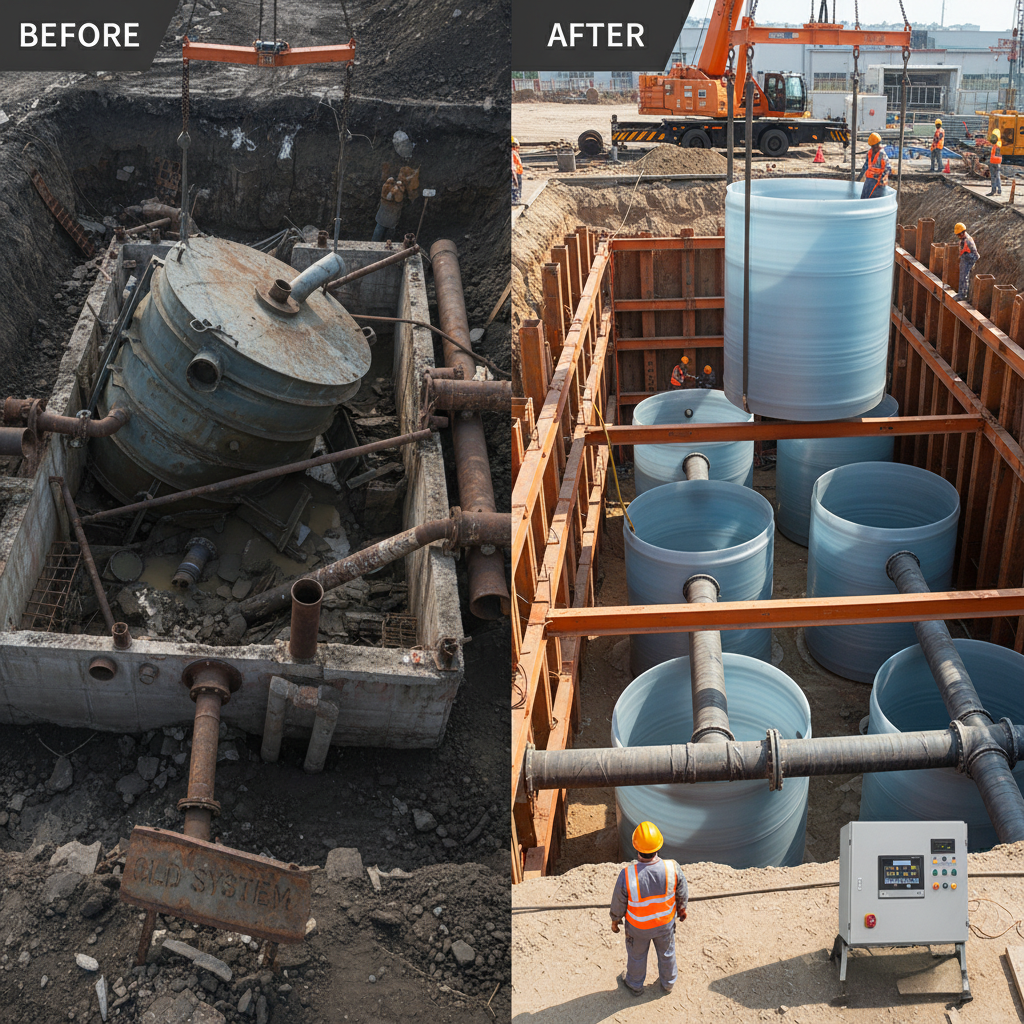
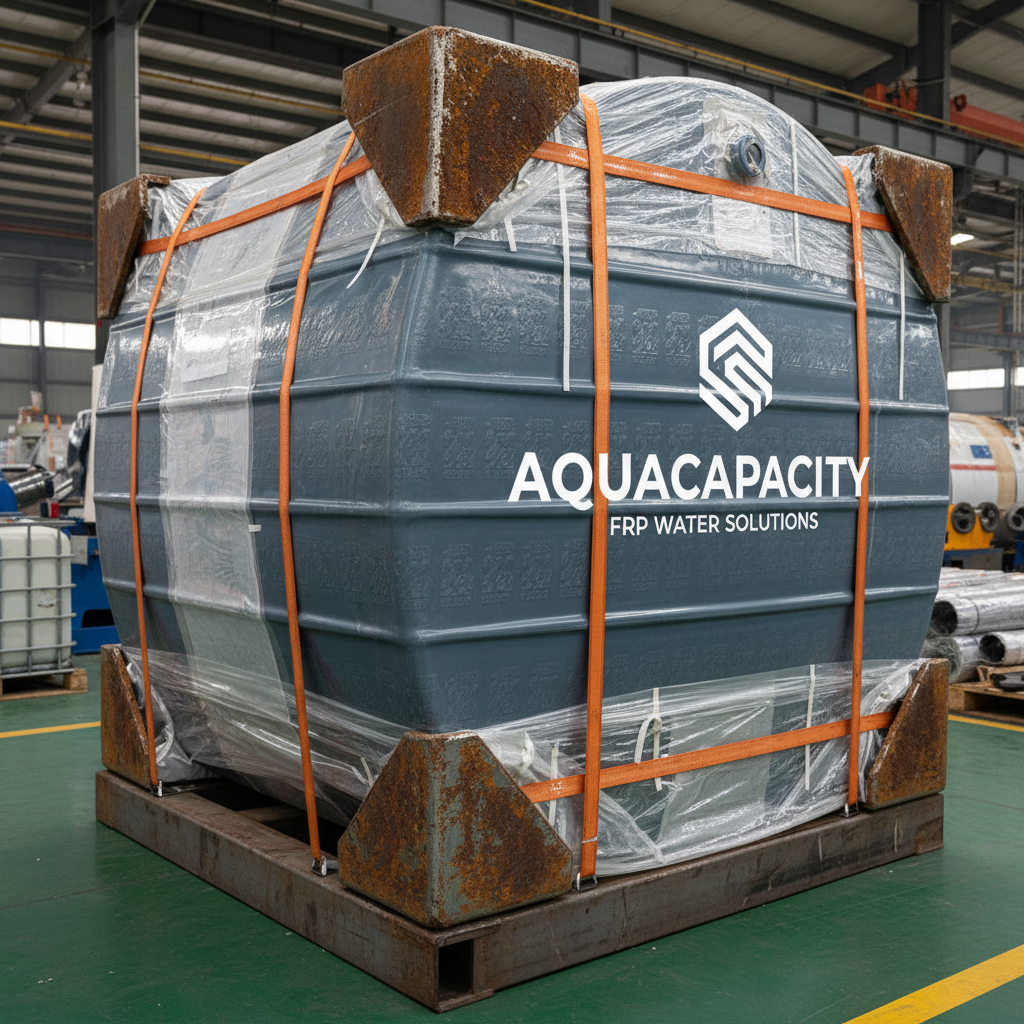
Unlike traditional concrete or metal tanks, fiberglass tanks are comparatively light. This reduces shipping and handling costs significantly and allows quicker assembly on-site — a huge advantage in disaster relief or remote industrial projects.
3. Cost Efficiency
While the initial price tag might look slightly higher than plastic or metal tanks, fiberglass tanks last longer with fewer maintenance needs, translating to cost savings over time.
4. Scalability
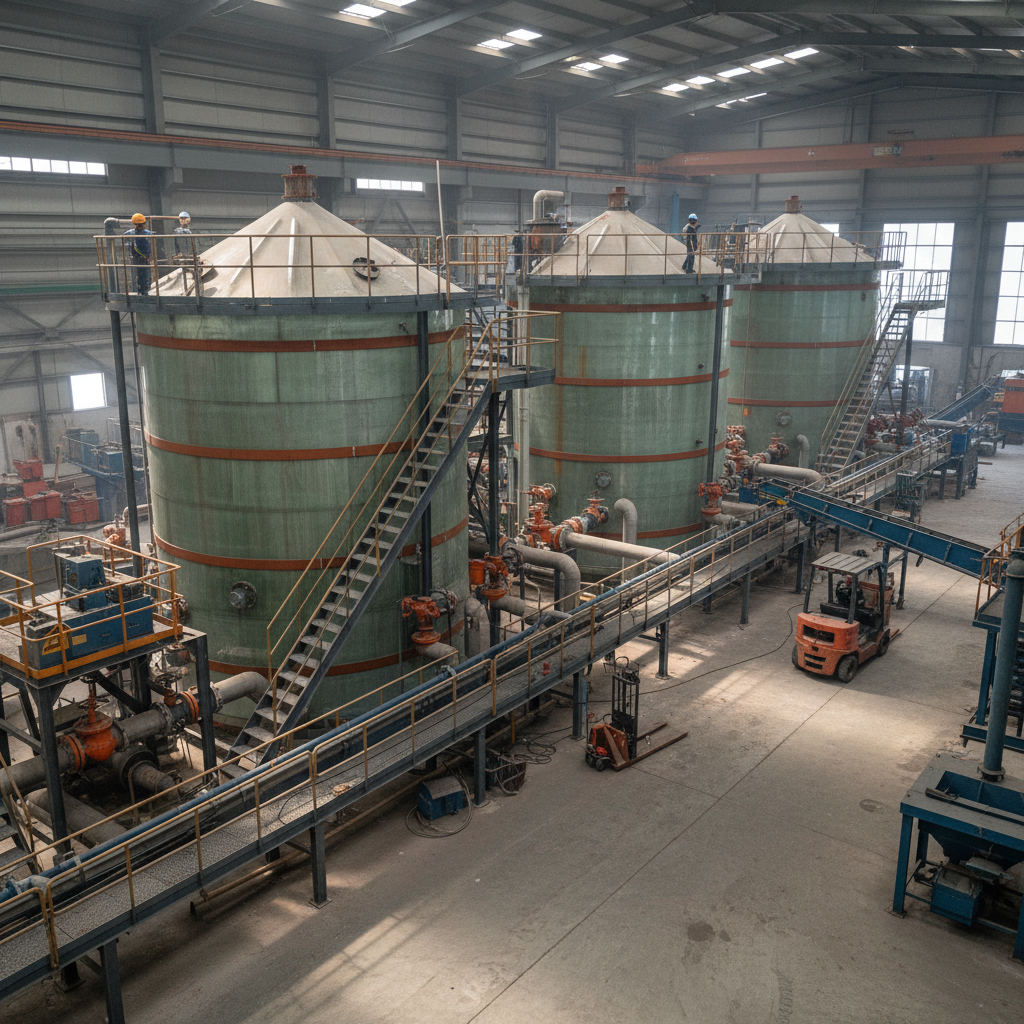
Available in various capacities, from a few hundred liters to tens of thousands, these tanks scale well for domestic, commercial, or industrial applications. They adapt well to both small-scale farming and large municipal systems.
5. Hygiene & Safety
Fiberglass tanks can be designed with smooth internal surfaces, reducing algae growth and contamination risks. They are often certified to meet drinking water safety standards — a must-have in many countries with strict health regulations.
Typical Specifications of Fiberglass Rainwater Tanks
| Specification | Details |
|---|---|
| Material | Glass fiber reinforced plastic (GRP) |
| Capacity Range | 500 liters – 50,000+ liters |
| Weight | Approx. 30-200 kg (varies by size) |
| UV Resistance | High (protected coatings applied) |
| Lifespan | 20-30 years or more |
| Certifications | NSF/ANSI, ISO 9001, local potable water standards |
How Different Vendors Stack Up
| Vendor | Material Quality | Installation Services | Price Range | Customization Options |
|---|---|---|---|---|
| AquaFiberglass™ | Premium resin with UV additives | Full onsite assembly support | $$$ | Sizes, colors, fittings |
| RainSafe Tanks | Standard grade GRP | Remote support only | $$ | Basic sizes |
| EcoTank Solutions | Recycled material blend | Installation partnerships | $$ | Limited customization |
Real-World Applications of Fiberglass Rainwater Tanks
It's fascinating how broadly these tanks find use. In Australia, the dry interior zones rely heavily on rainwater collection to supplement municipal supplies — fiberglass rainwater tanks are often the go-to choice due to their resilience under harsh sun and heat.
Post-disaster relief in the Caribbean frequently sees rapid deployment of lightweight tanks to house safe drinking water after hurricanes damage infrastructure. Similarly, remote mining operations in Chile utilize them to secure water for both people and processing, where transporting heavy tanks would be impractical.
Even urban green buildings in Europe incorporate fiberglass water tanks as part of rainwater recycling systems, combining sustainability with efficient design.
Advantages and the Long-Term Value
- Cost-effective over lifespan: Less maintenance than steel tanks and better longevity than many plastics.
- Environmental benefits: Many tanks use recyclable materials; water conservation supports sustainability goals.
- Reliable storage: Leak-proof, UV-stable design means water stays clean and safe.
- Enhances community resilience: Safe water storage during dry seasons or emergencies fosters health and dignity.
Frankly, investing in a fiberglass rainwater tank feels like putting a stake in the ground for future resource security — something communities and companies alike come back to with increasing urgency.
Looking Ahead: Trends and Innovations in Fiberglass Rainwater Tanks
Advances in composite materials hint at even stronger, lighter, and more recyclable tanks soon. Some manufacturers explore integrating digital sensors into tanks for real-time water level and quality monitoring — tying these tanks into “smart” water management systems.
Government policies increasingly support rainwater harvesting to alleviate urban water stress. For example, ISO standards related to plumbing installations now recognize high-quality fiberglass tanks as recommended sustainable components.
On the sustainability front, the combination of renewable energy-powered pumps with fiberglass tanks promises autonomous water harvesting units, especially in off-grid scenarios.
Challenges and How Industry Experts Address Them
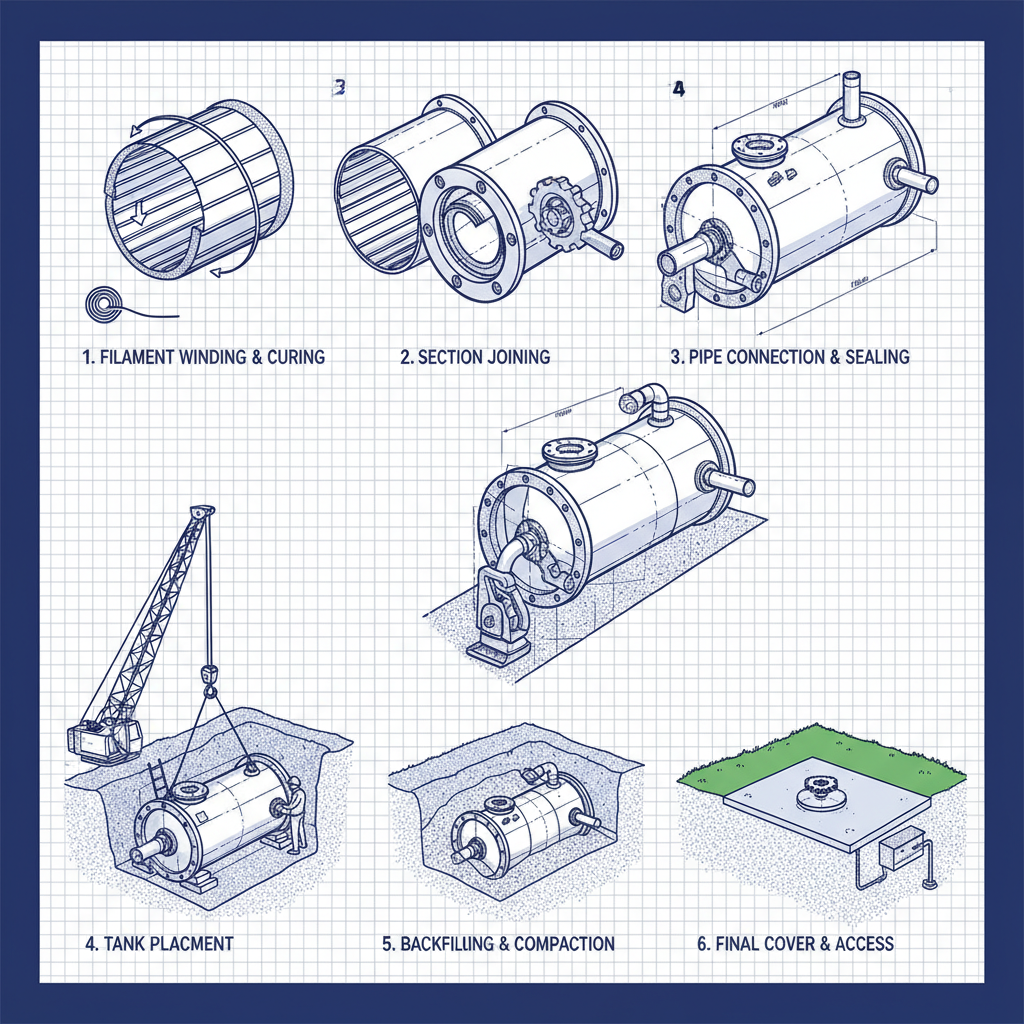
No technology is perfect, of course. Common issues with fiberglass rainwater tanks include potential cracking under severe impact and the need for professional installation to avoid leaks where fittings join. Also, tanks must be properly maintained to prevent biofilm buildup inside.
Industry leaders often recommend:
- Using reinforced designs with impact-absorbing layers
- Offering thorough installation training and support
- Employing surface treatments to resist microbial growth
In real terms, thoughtful design and user education usually solve most problems, allowing these tanks to perform as promised over decades.
FAQs About Fiberglass Rainwater Tanks
- 1. How do fiberglass rainwater tanks compare to plastic tanks in durability?
- Fiberglass tanks are generally more durable and UV-resistant than typical plastic tanks. They resist cracking and degradation longer, especially under harsh sun exposure, making them preferable for outdoor, long-term use.
- 2. Can these tanks be used for potable water storage?
- Yes, many fiberglass rainwater tanks are certified safe for drinking water storage. They feature smooth internal surfaces that limit bacterial growth and comply with health standards.
- 3. Are fiberglass rainwater tanks easy to install on remote job sites?
- Relatively, yes. Their lightweight nature compared to concrete or metal tanks eases shipping and handling. However, proper sealing and fitting installation do require some expertise.
- 4. How long do fiberglass rainwater tanks usually last?
- With proper maintenance, these tanks can last 20 to 30 years or more, outperforming many alternatives in longevity.
- 5. Are fiberglass tanks environmentally friendly?
- Fiberglass materials can be recycled, and many vendors now produce tanks using sustainable resins or recycled fibers. Using them helps support water conservation efforts, contributing positively to environmental goals.
Conclusion: Why Fiberglass Rainwater Tanks Are a Smart Investment
Keeping water flowing reliably remains an urgent challenge worldwide. Fiberglass rainwater tanks deliver a practical, sustainable, and durable way to capture and store this vital resource — from urban rooftops to rural fields, and from emergency shelters to industrial yards.
If you’re considering how to improve your site’s water security with a solution that has proven performance and environmental credentials, these tanks deserve serious consideration. To learn more and explore options tailored to your needs, visit our website at fiberglass rainwater tanks.
Mini takeaway: Fiberglass rainwater tanks represent a smart blend of engineering, sustainability, and practicality — helping safeguard water resources across diverse global settings.