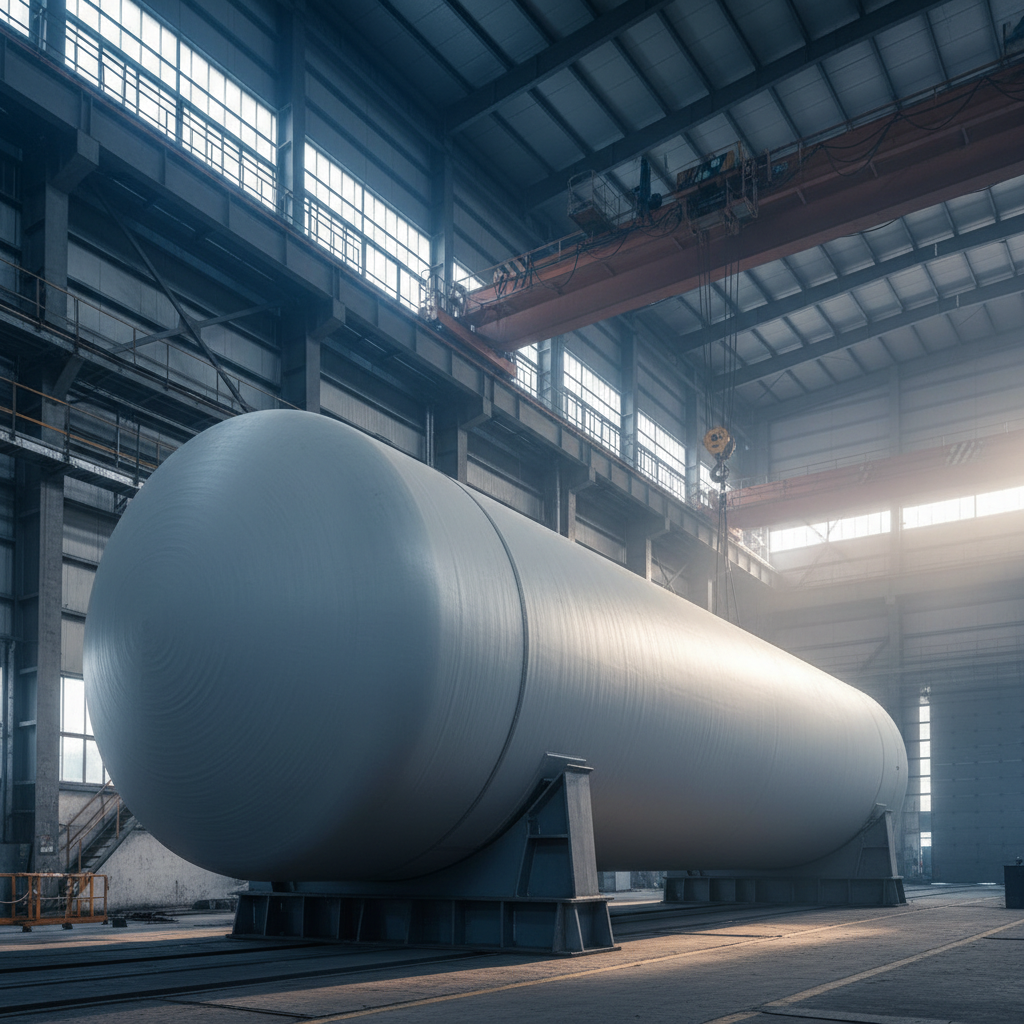
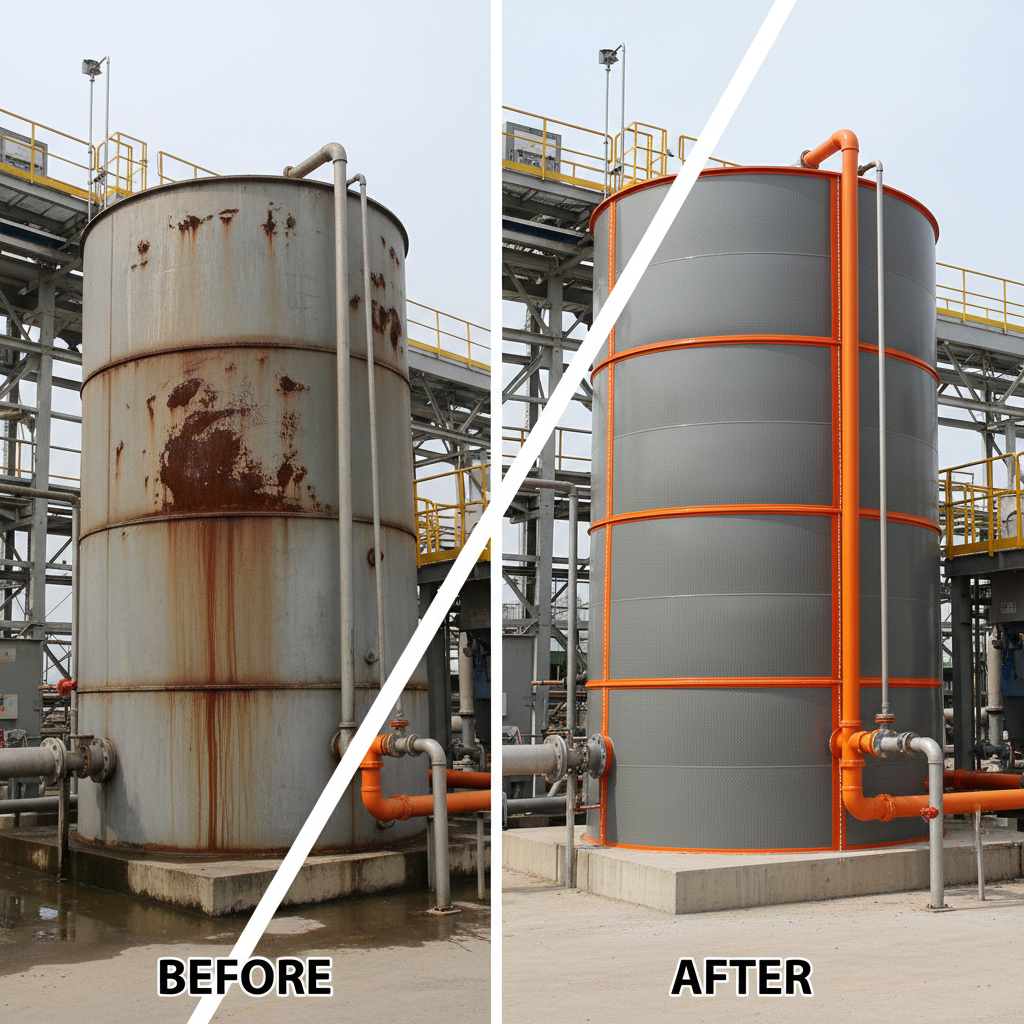
Fiberglass Raceway Tanks: Durable, Lightweight Storage for Global Industries
The Rising Role of Fiberglass Raceway Tanks in Modern Industry
If you haven’t heard of fiberglass raceway tanks yet, don’t worry — they’re not household names, but in many sectors, they’re quietly shaping the way we manage fluids, chemicals, and even wastewater. Globally, the need for reliable, lightweight, and corrosion-resistant storage solutions isn’t just some niche industrial concern; it’s an essential piece in sustainable infrastructure development, environmental protection, and even humanitarian aid. Understanding fiberglass raceway tanks means understanding a smart, durable solution that’s meeting challenges everywhere from remote deserts to sprawling metropolitan plants.
Why Fiberglass Raceway Tanks Matter Worldwide
The global industrial and environmental landscape is shifting rapidly. According to the United Nations’ Industrial Development Report (2023), the demand for efficient, sustainable storage containers has increased by roughly 15% year-over-year in emerging economies — and this trend isn’t slowing down. Why? More industries are moving towards corrosion-resistant materials that last longer, cost less over time, and reduce environmental impact. Traditional steel or concrete tanks can rust, crack, or just plain weigh too much for some setups.
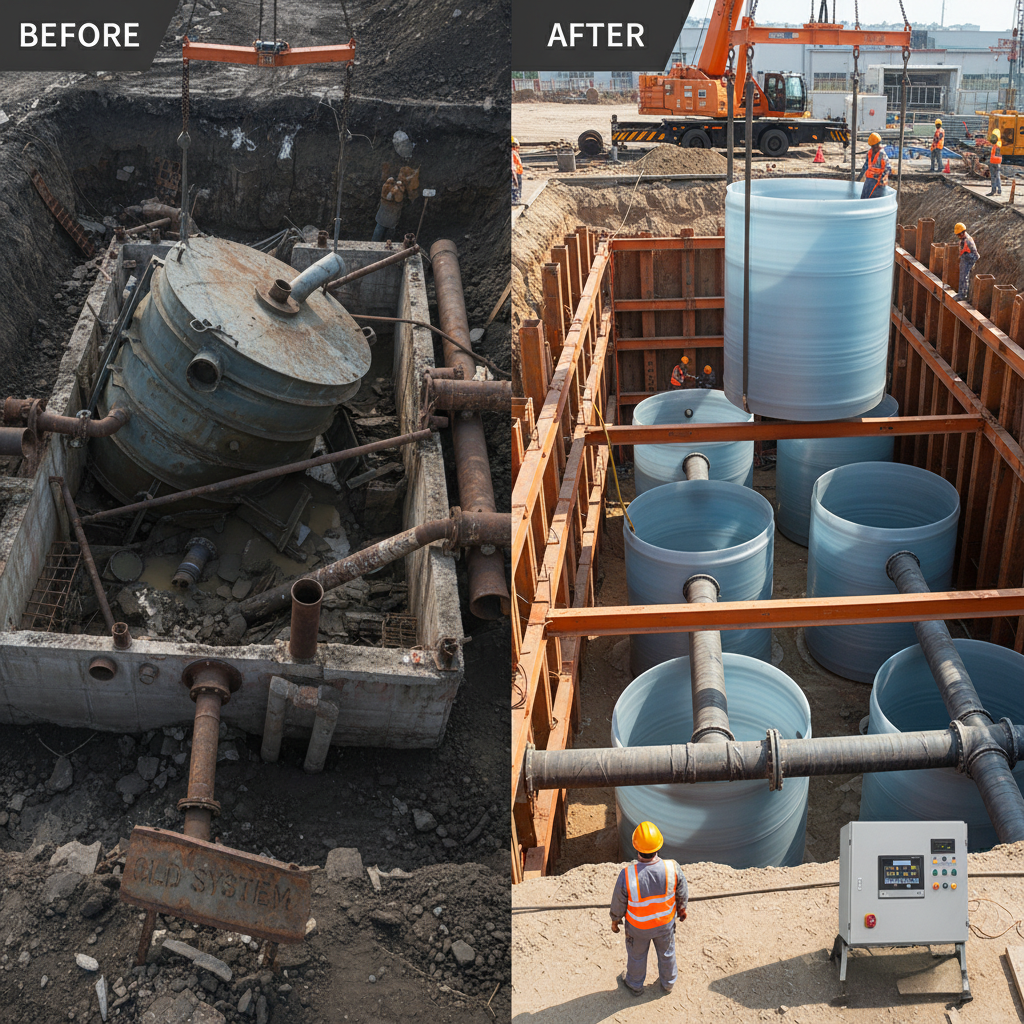
Enter fiberglass raceway tanks with their amazing balance of strength, lightness, and flexibility. They're especially effective where harsh chemicals, saline environments, or variable weather patterns would quickly degrade other tanks. This means industries from oil & gas, chemical processing, water treatment, and construction are seeing benefits. Even humanitarian organizations working in disaster-stricken areas turn to such tanks because they’re easier to deploy and maintain.
What Exactly Are Fiberglass Raceway Tanks?
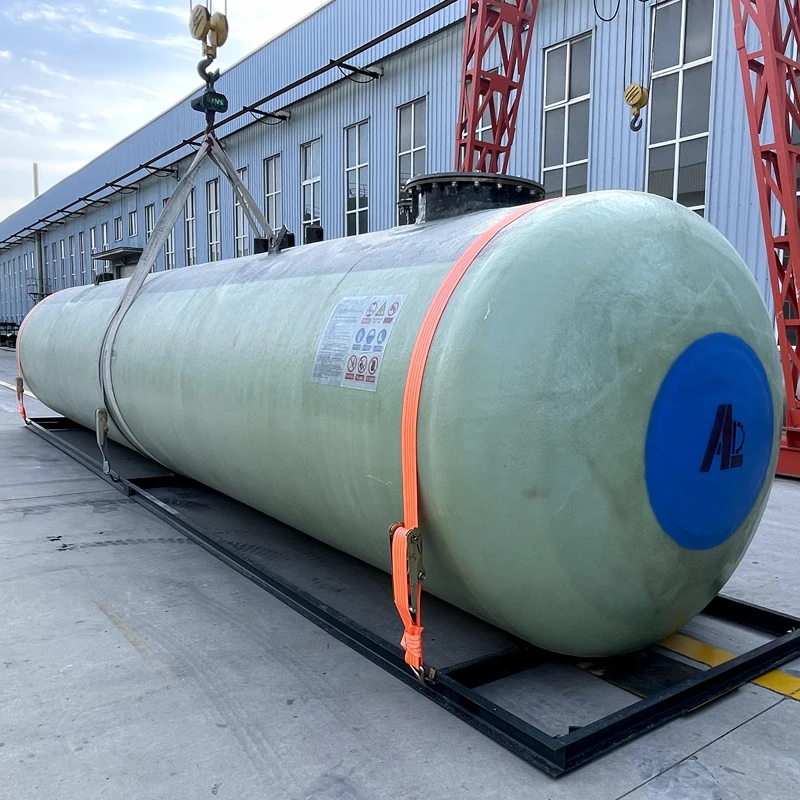
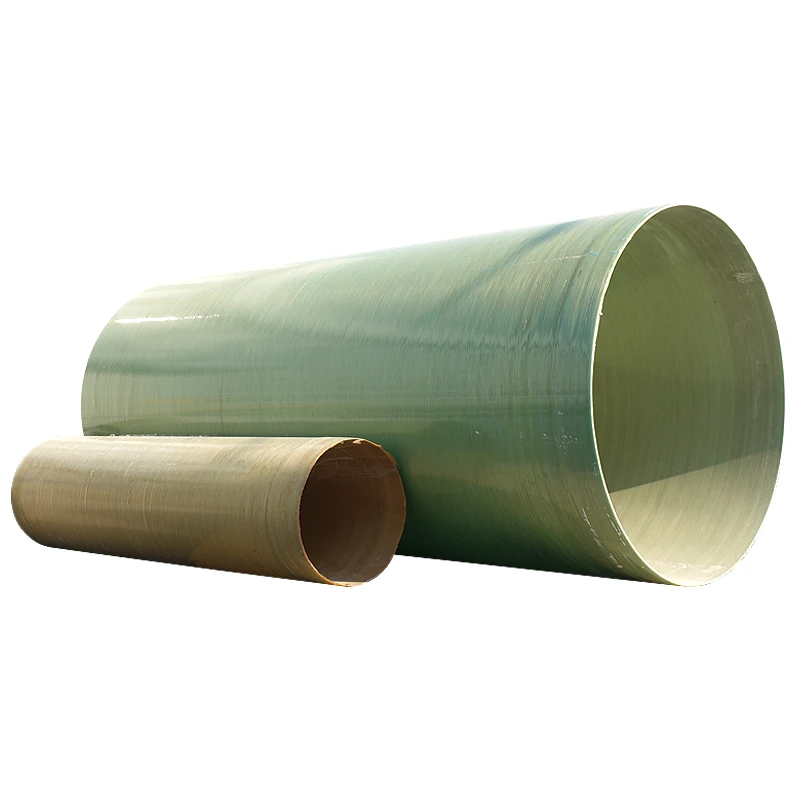
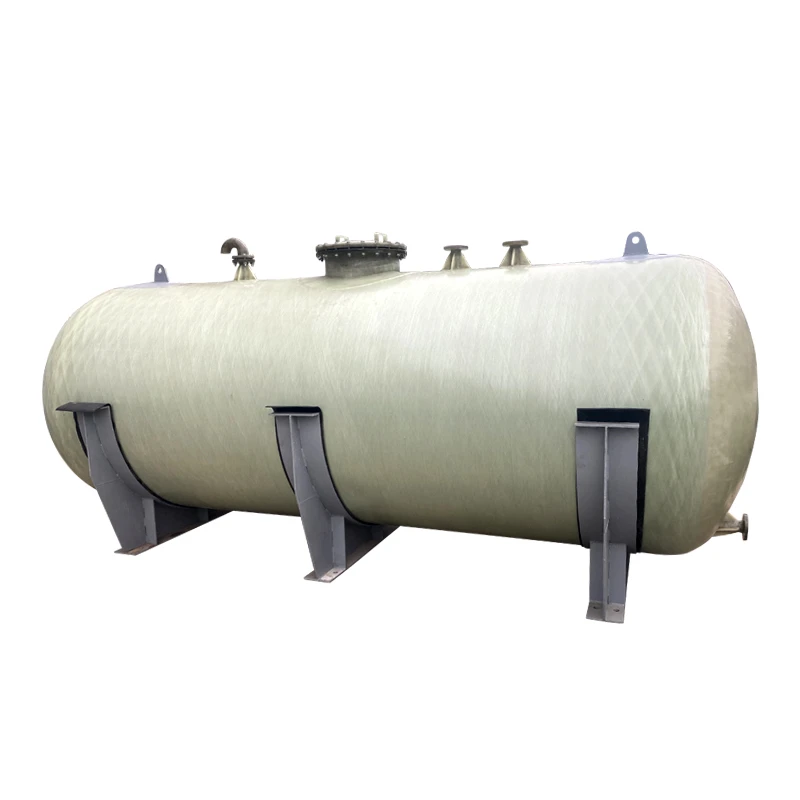
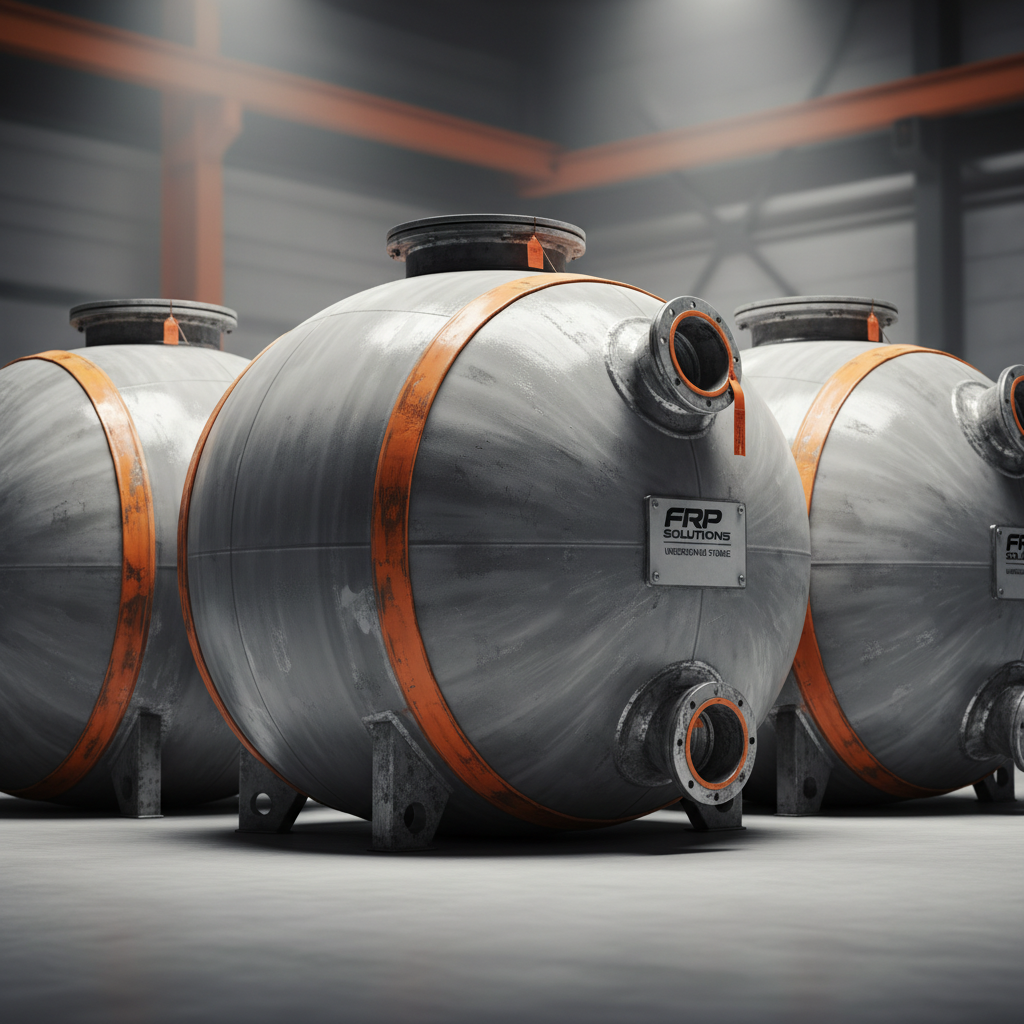
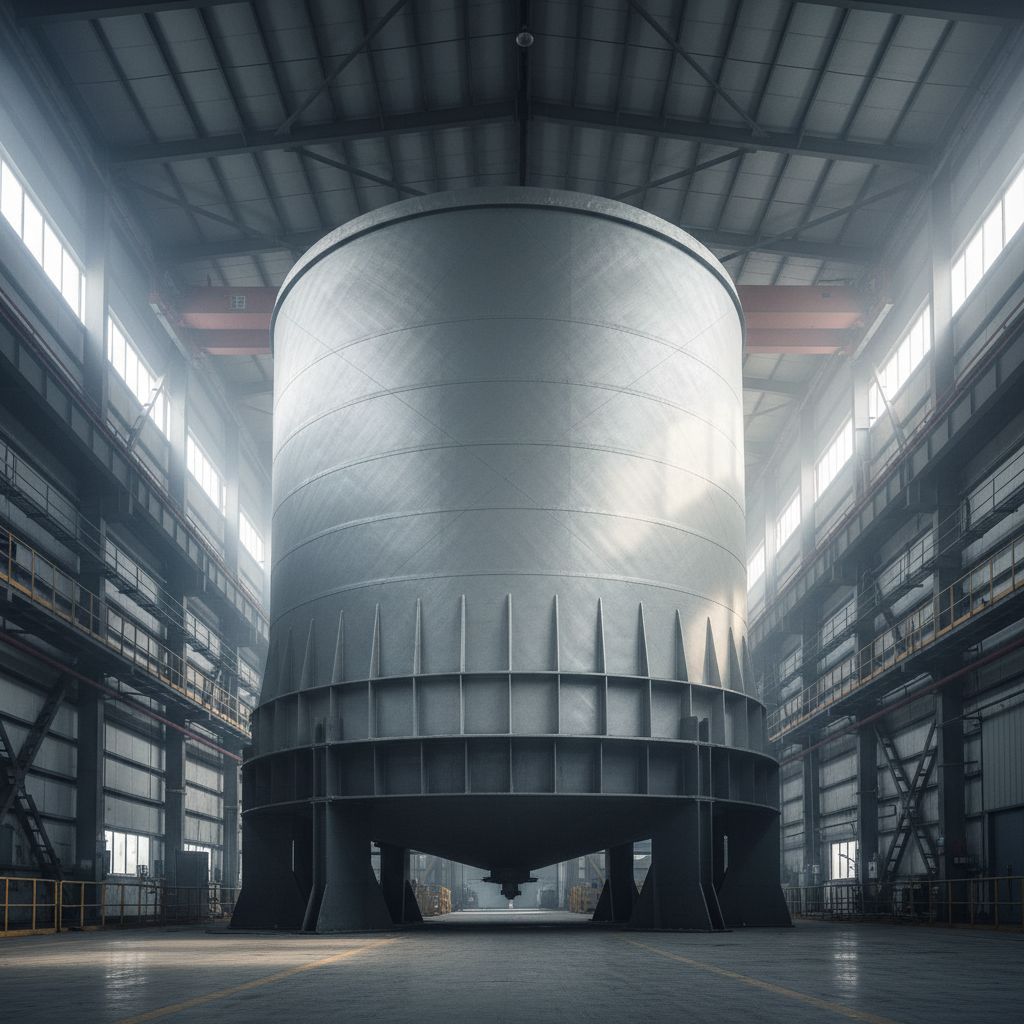
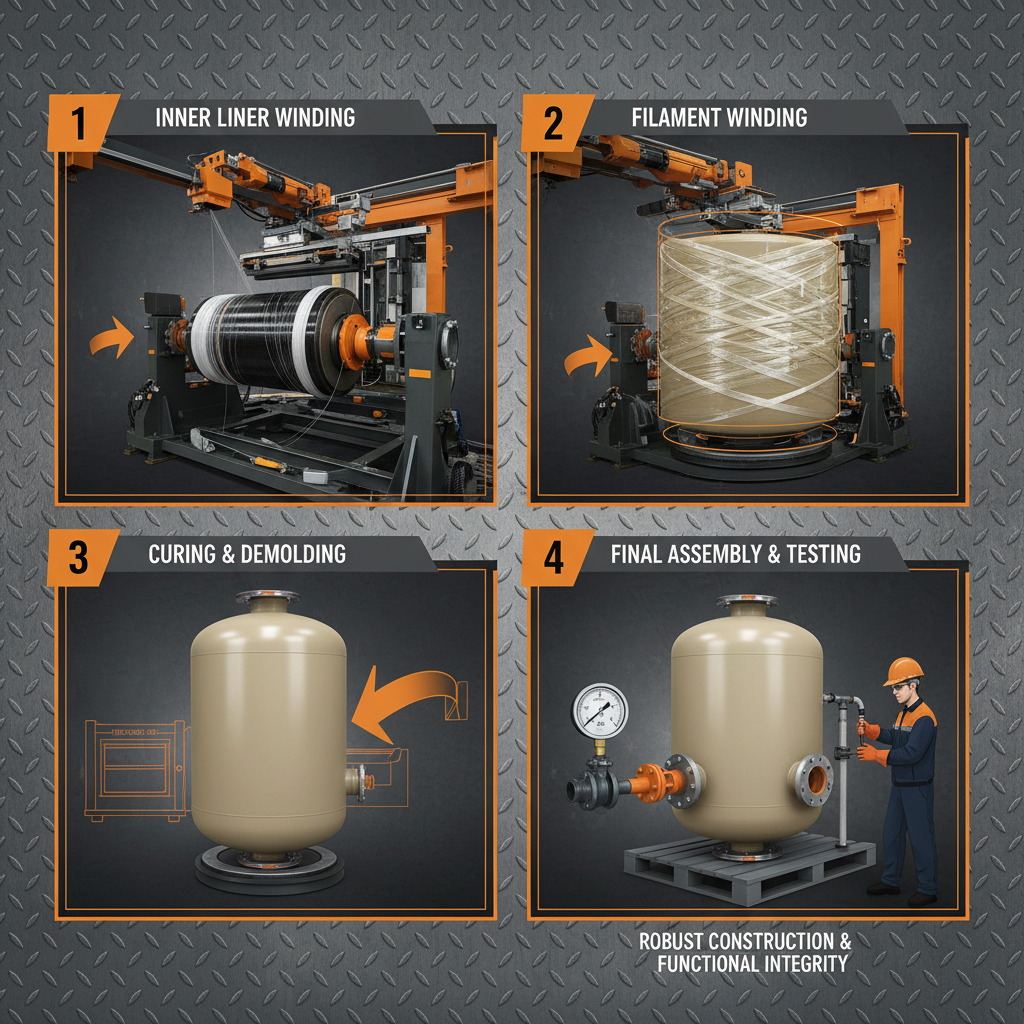
Simply put, fiberglass raceway tanks are storage tanks made primarily from fiberglass-reinforced plastic (FRP). The “raceway” part refers to the channels or compartments molded inside or alongside the tank, designed to route cables, pipes, or fluids efficiently. They’re designed to provide not only excellent storage capacity but also integrated infrastructure management. It’s like getting a two-for-one: storage plus organized wiring or piping pathways.
In practice, these tanks meet the needs of industries that require efficient space use alongside chemical resistance and lightweight durability. For example, a remote mining facility might use them to store fuel and simultaneously house the wiring necessary for monitoring systems — all in one neat, corrosion-resistant package.
Mini Takeaway
Fiberglass raceway tanks combine material science with smart design to solve real industrial problems elegantly and efficiently.
Key Features That Make Fiberglass Raceway Tanks Stand Out
Durability Against Harsh Environments
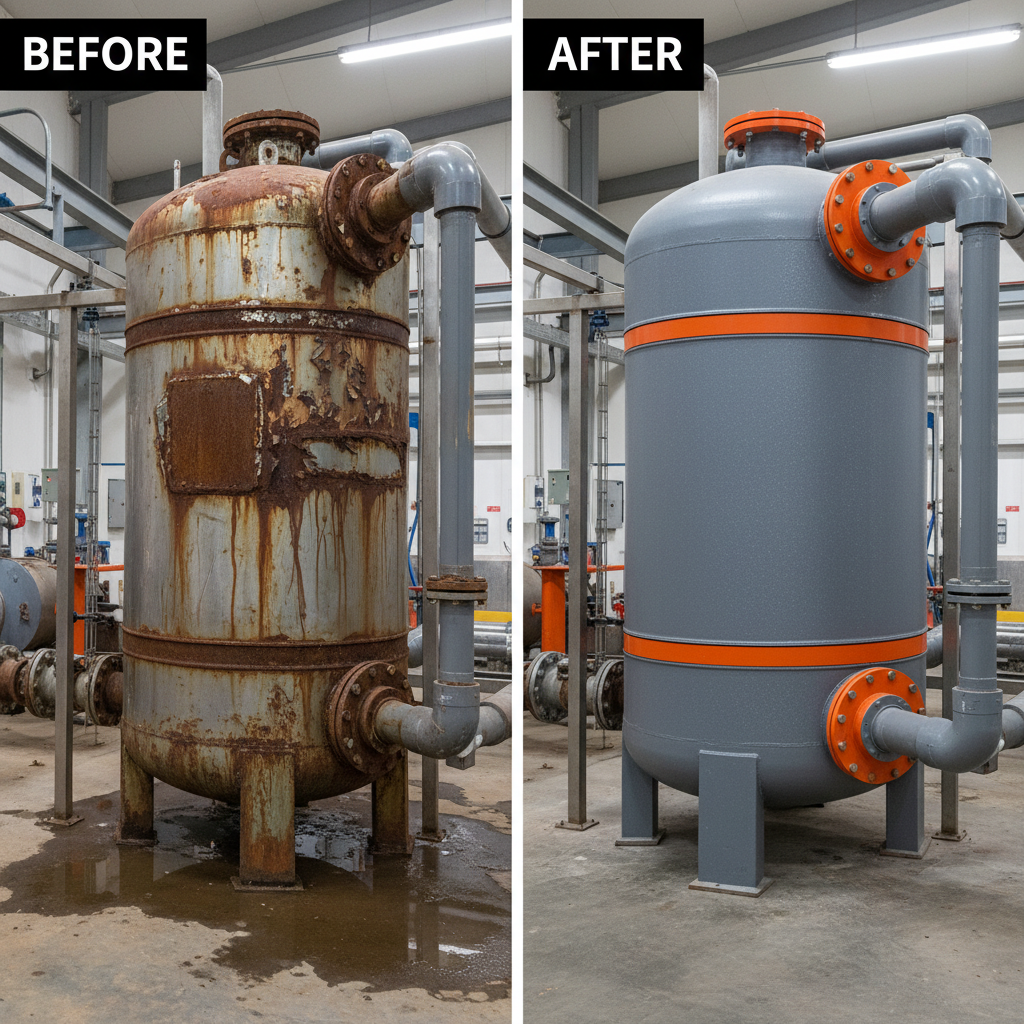
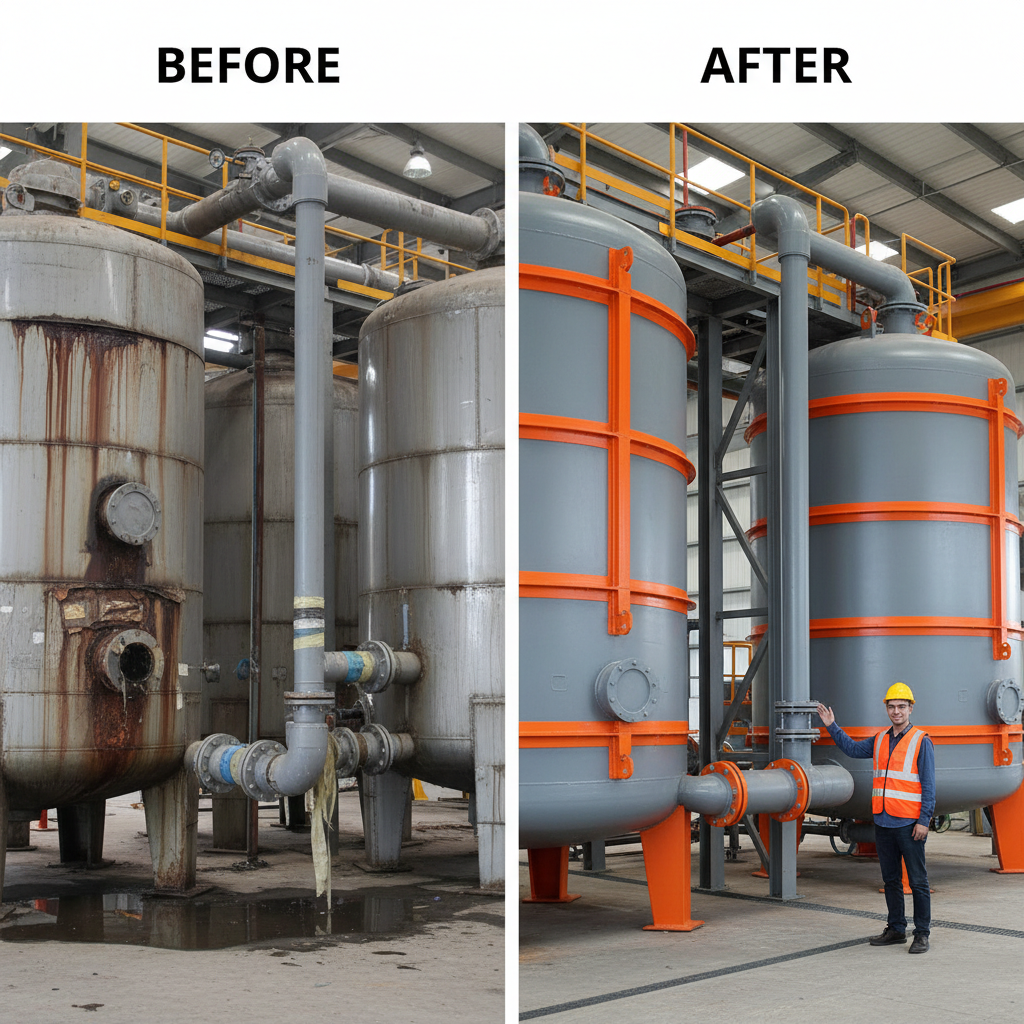
Unlike metal tanks prone to rust, fiberglass handles saltwater, acids, and corrosive chemicals without losing integrity. This translates to fewer maintenance costs and longer service life, which engineers and plant managers love.
Lightweight Yet Strong
Many say it’s the best of both worlds. You get the strength of reinforced plastic but at a fraction of steel’s weight. This lowers transportation costs and makes installation easier — a real bonus in rough terrains or remote locations.
Customizable Design
Since fiberglass is molded, tanks can be customized for specific dimensions, raceway layouts, and integration with sensors or piping systems. This makes them ideal for projects with unusual spatial constraints or special requirements.
Cost Efficiency Over Time
While the upfront price might be a pinch higher than conventional tanks, the reduced maintenance and replacement costs make fiberglass tanks a smart investment. Many operators say they save up to 20–30% in lifecycle costs over 10 years.
Environmental Benefits
Fiberglass tanks often have a smaller carbon footprint in production compared to steel or concrete. Plus, their long lifespan means fewer replacements, less waste, and less environmental disruption.
Versatility in Use
From water treatment plants in Europe to chemical storage in Southeast Asia, their adaptability fits almost any industry.
Mini Takeaway
Fiberglass raceway tanks aren’t just about “holding stuff.” Their thoughtful design and material properties address practical needs, cost concerns, and sustainability goals simultaneously.
Product Specification Table: Typical Fiberglass Raceway Tank Model
| Specification | Details |
|---|---|
| Material | Fiberglass Reinforced Plastic (FRP) |
| Capacity Range | 500 - 10,000 gallons (custom sizes available) |
| Corrosion Resistance | Excellent for acids, bases, saline water |
| Operating Temperature | -20°C to 80°C (-4°F to 176°F) |
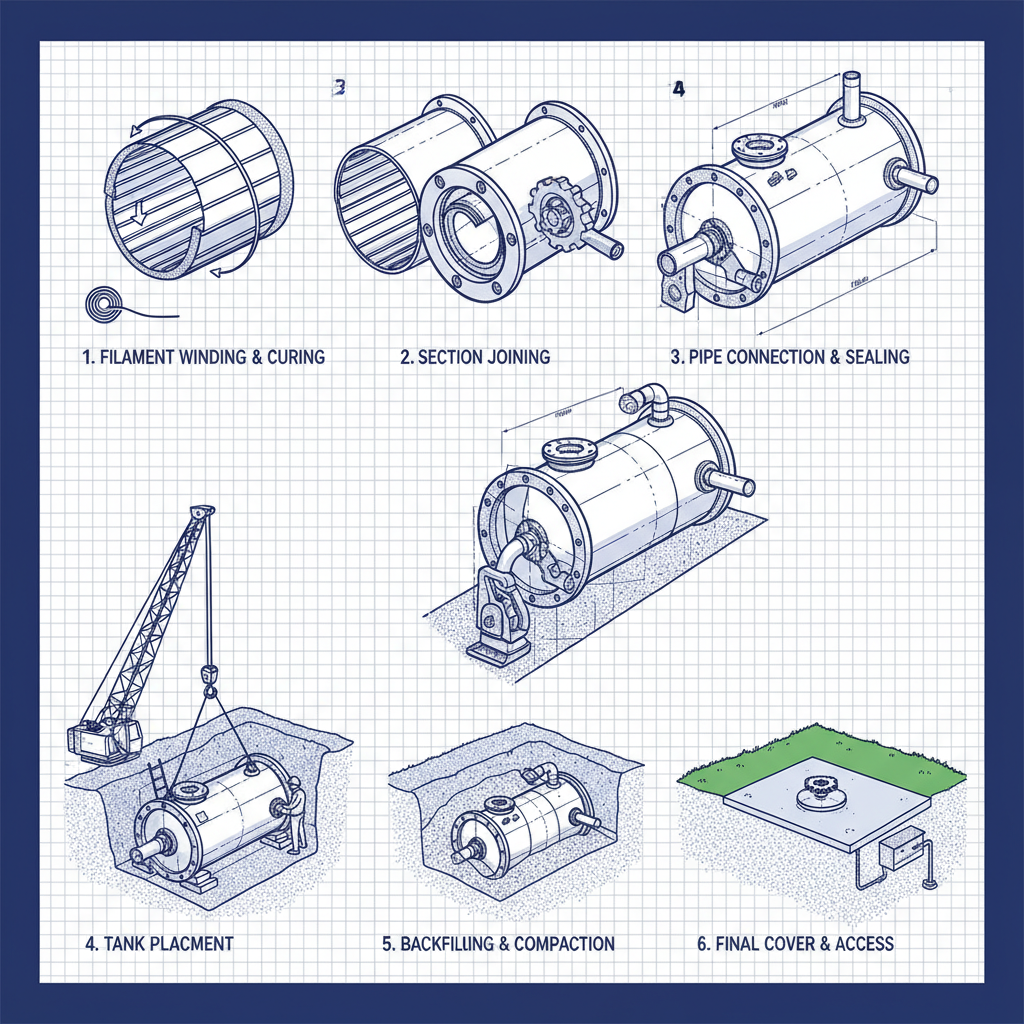
| Installation | Above-ground or partially buried |
| Lifespan | 20+ years (depending on use) |
Global Applications & Use Cases for Fiberglass Raceway Tanks
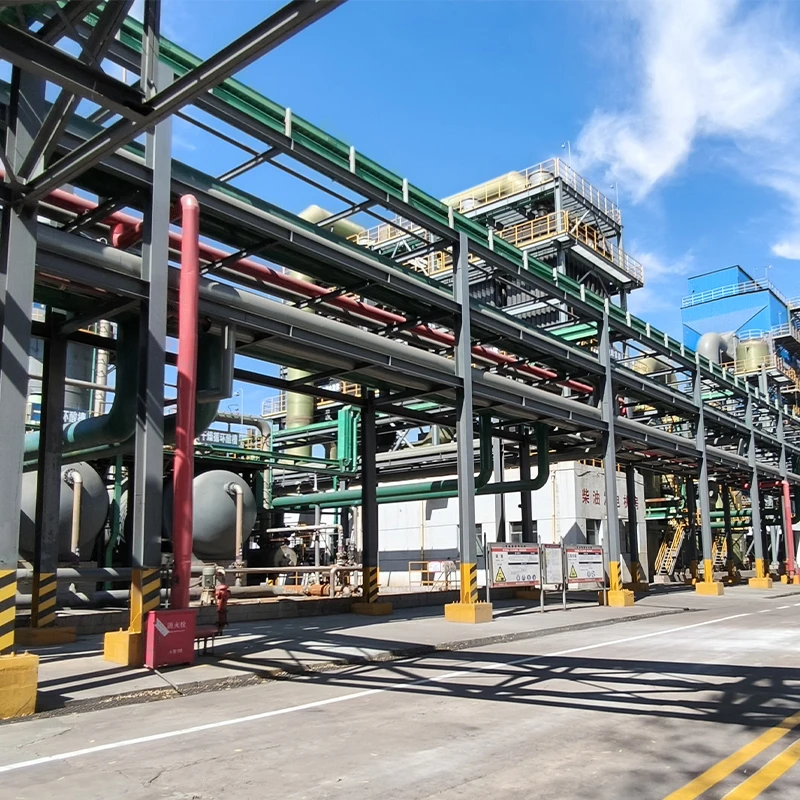
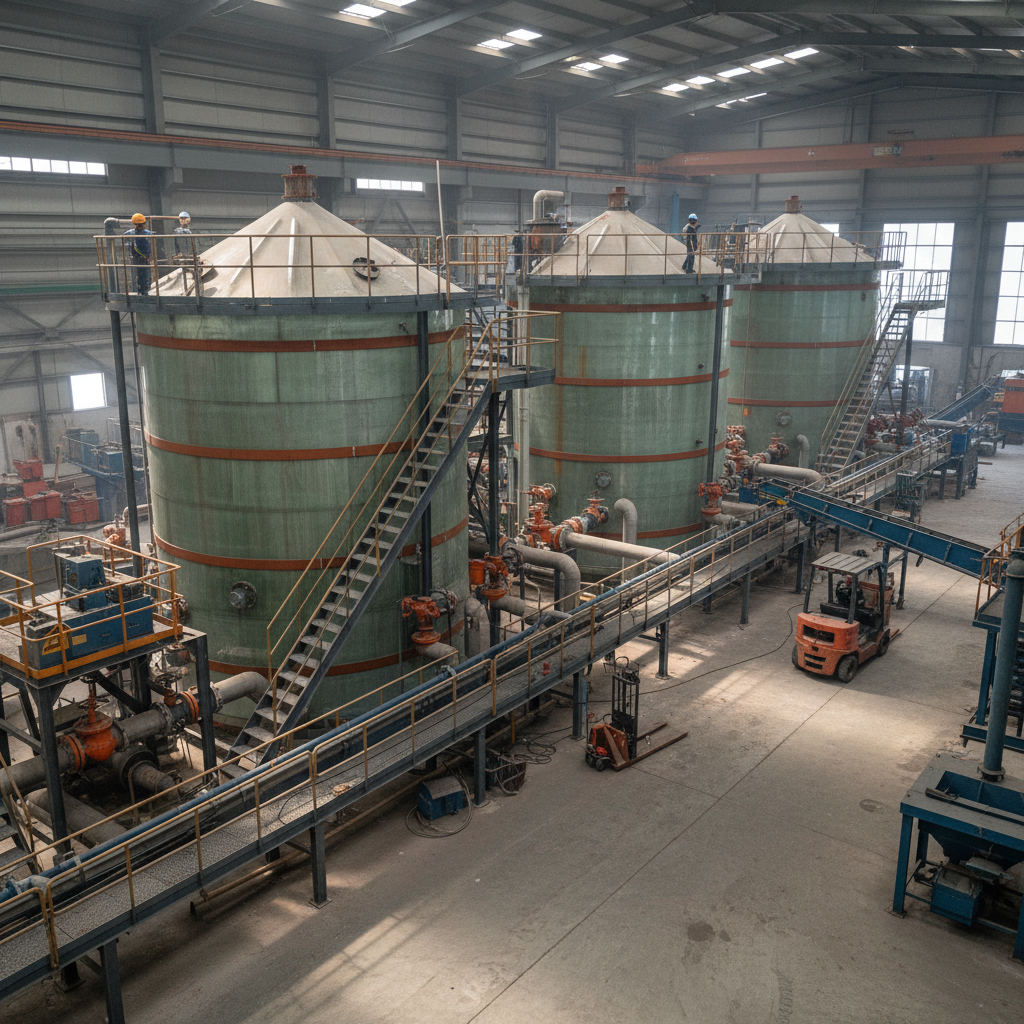
Oddly enough, you’ll find these tanks performing quietly in the background of some of the toughest operational environments worldwide. In Southeast Asia’s flood-prone zones, public utilities favor fiberglass raceway tanks for distributing and storing clean drinking water because they don’t break down with year-round humidity. In North American oil fields, many operators use them to store hazardous chemicals, simultaneously running sensor cables through the integrated raceways for real-time monitoring.
In humanitarian zones suffering from natural disasters, NGOs often select these tanks for quick setup and durability when delivering potable water supplies. Actually, many appreciate how the molded raceway channels allow compact installation and organization of plumbing and electric conduits in a single unit — a bonus in chaotic field situations.
Regions like the Middle East and Australia have also embraced these tanks in mining and agricultural operations — here, resiliency against corrosive soils and UV damage is paramount.
Mini Takeaway
The real story is adaptability: fiberglass raceway tanks are worldwide, quietly solving problems in industries and environments where reliability and ease of integration make all the difference.
Advantages and Long-Term Value
- Cost Savings Over Life Cycle: Maintenance is minimal — no rust, no repainting, no expensive fixes.
- Sustainability: Longer use reduces waste, and FRP manufacturing can use recycled materials.
- Safety & Trust: Chemical resistance protects workers and communities from contamination risks.
- Innovation & Confidence: More companies trust fiberglass solutions for future-proofing their infrastructure.
Frankly, it feels like a product that grows trust by doing its job quietly and well. Users tend to report less downtime, smoother operations, and less stress about leaks or failures. That peace of mind can’t be overstated in industries often operating on razor-thin margins.
Challenges & Solutions in Using Fiberglass Raceway Tanks
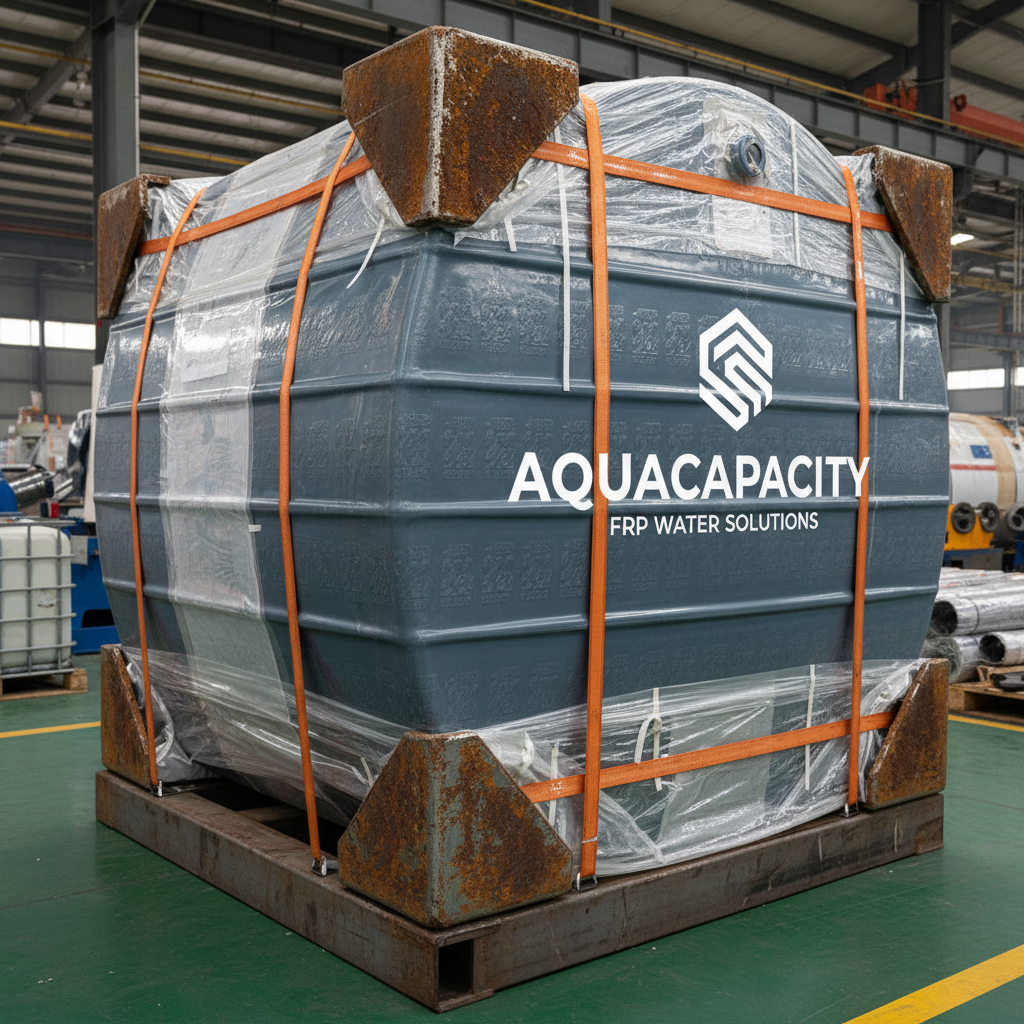
Despite the many advantages, fiberglass tanks aren’t perfect or a magic wand. Transport needs special care; because they are lighter yet wider, they sometimes require different handling than steel tanks. Some engineers also point out that repairs need specialized adhesives and know-how unavailable everywhere yet.
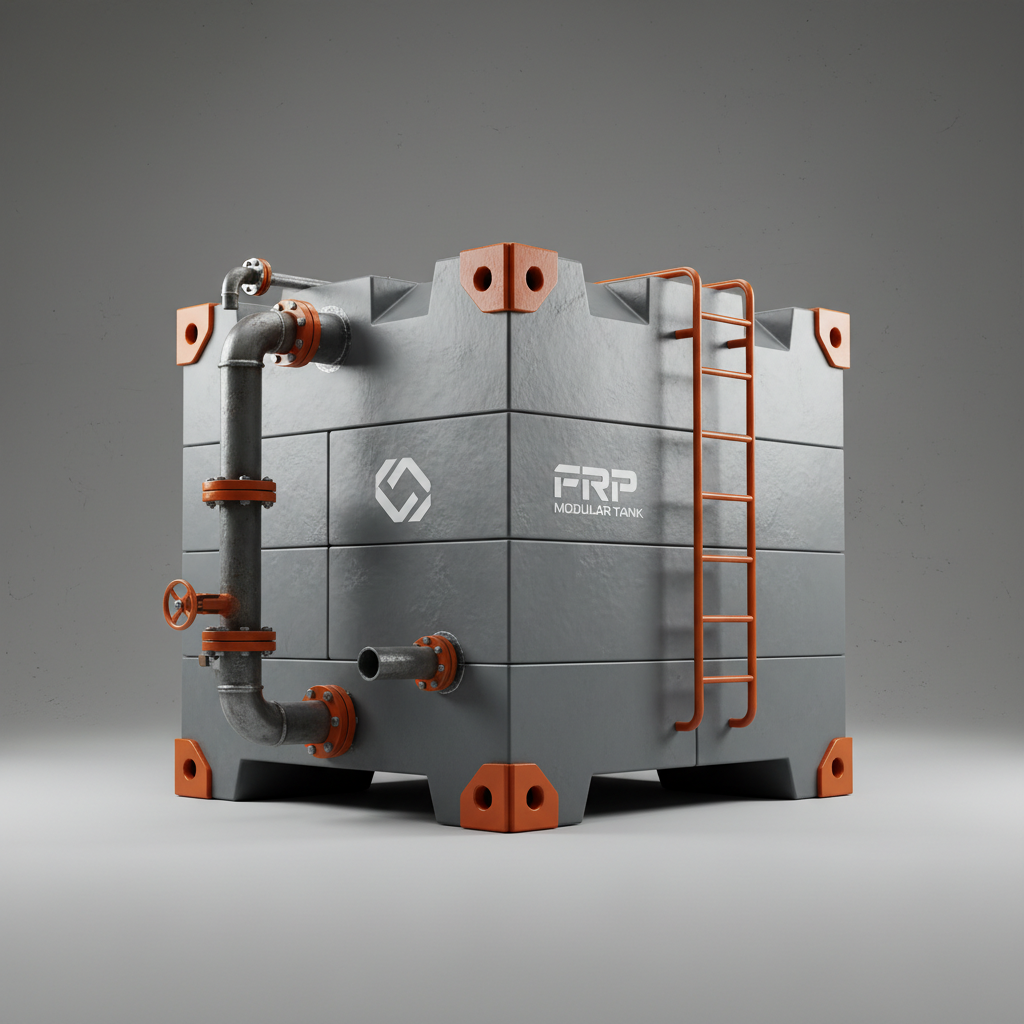
Innovations are addressing these: advanced polymer blends improve impact resistance, and modular designs offer fully replaceable panels. Plus, manufacturers are increasingly offering installation and repair training in remote regions.
Vendor Comparison Table: Leading Fiberglass Raceway Tank Suppliers
| Vendor | Product Range (Gallons) | Customization | Lead Time | Warranty |
|---|---|---|---|---|
| FRPPro Solutions | 500 - 8,000 | High (custom molds) | 6-8 weeks | 10 years |
| Global Fiberglass Solutions | 1,000 - 10,000+ | Medium (standard sizes) | 4-6 weeks | 8 years |
| Raceway Tech Inc. | 750 - 7,500 | High (raceway customization) | 5-7 weeks | 12 years |
Future Trends & Innovations Shaping Fiberglass Raceway Tanks
Tech advances are making these tanks smarter — molecularly enhanced resins improve UV resistance, and embedded IoT sensors within raceways monitor tank integrity and fluid levels in real-time. There’s also a surge toward using bio-based resins to lower the carbon footprint further, tapping into that sustainability zeitgeist.
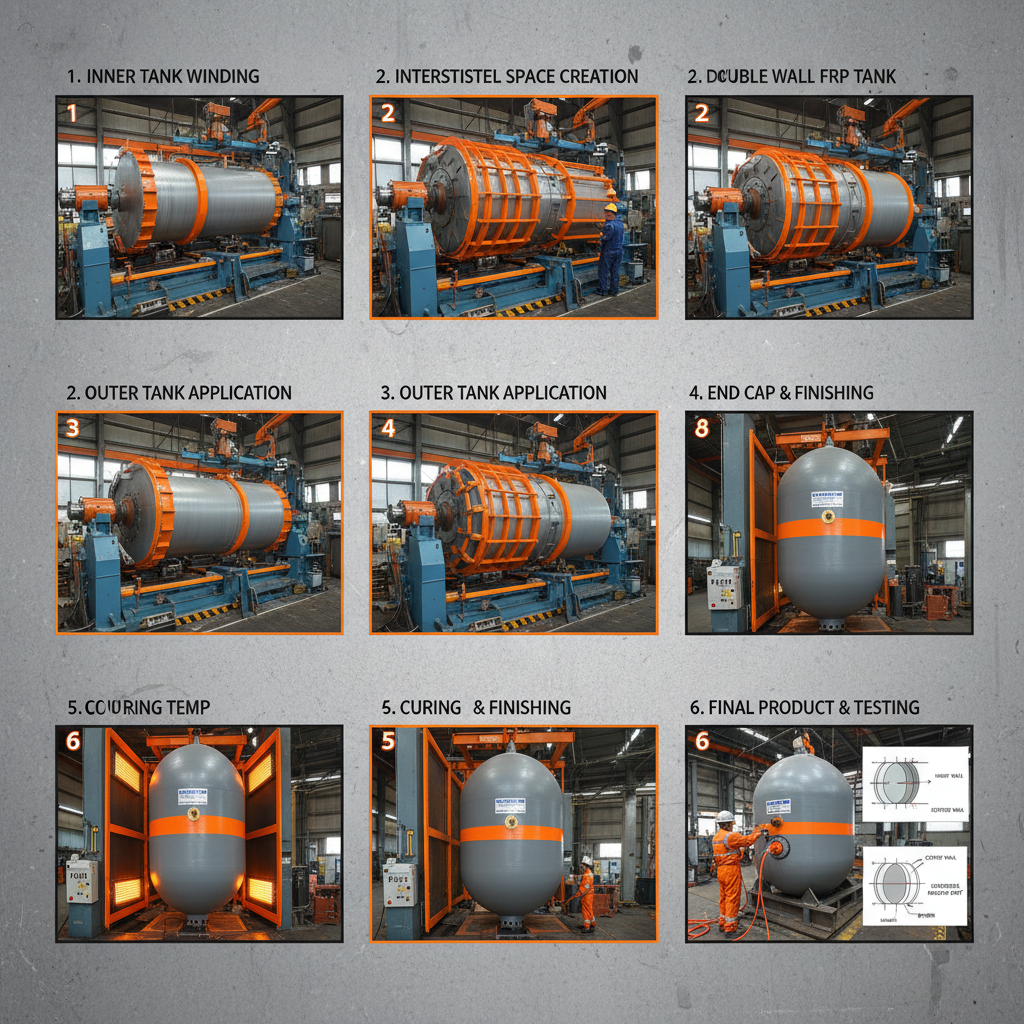
Another exciting trend is modular, stackable tank designs that can be configured for expanding industrial sites, a bit like giant, ultra-durable LEGO blocks. Automation in manufacturing also means better quality control, reducing defects and extending lifespan.
Frequently Asked Questions About Fiberglass Raceway Tanks
- Q1: How do fiberglass raceway tanks compare in cost to steel tanks?
- Fiberglass tanks often have a higher initial purchase price than steel, but lower maintenance and longer lifespan usually make them more cost-effective over 10+ years.
- Q2: Can fiberglass raceway tanks withstand extreme temperatures?
- Yes, most fiberglass raceway tanks are rated to handle temperatures from roughly -20°C up to 80°C (-4°F to 176°F), suitable for many industrial and environmental conditions.
- Q3: Are these tanks easy to transport to remote locations?
- Because they’re lighter than steel, fiberglass tanks are easier and less expensive to transport, but their size and fragility mean special packing and handling care is still necessary.
- Q4: How customizable are the internal raceways?
- Quite customizable. Manufacturers can tailor internal channels to specific piping or wiring needs, which streamlines installation and reduces secondary adaptations.
- Q5: Do these tanks require special permits or certifications?
- Depending on your region and industrial use, fiberglas tanks may need to meet ISO or local environmental safety certifications. Reputable vendors generally certify compliance.
Wrapping It Up — Why Fiberglass Raceway Tanks Should Be On Your Radar
In real terms, fiberglass raceway tanks offer a compelling mix of durability, customization, and cost-effectiveness, especially when you factor in the long haul. Industries globally are seeing the value in this modern solution — it’s not just newer, but smarter, addressing complex challenges with less fuss and more efficiency.
If you want to dive deeper or explore tailored solutions, I recommend visiting fiberglass raceway tanks specialists. They often have the insights and custom products to match your exact needs.
Final Mini Takeaway:
Whether for heavy industry or urgent humanitarian needs, fiberglass raceway tanks quietly transform fluid storage and infrastructure integration — a small step that helps keep big operations running smoothly.