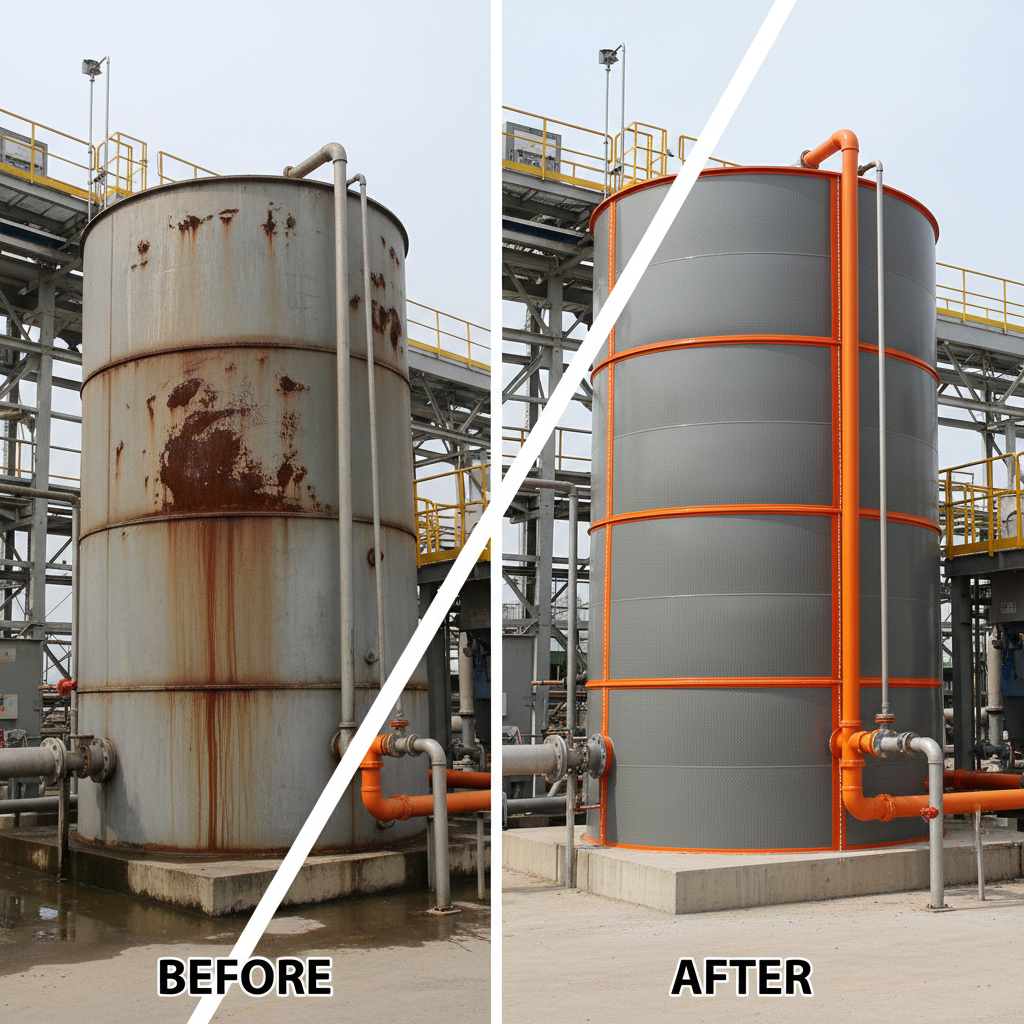
Durable & Portable 100 Gallon Fiberglass Tanks for Water & Chemical Storage
Understanding the 100 Gallon Fiberglass Tank: Why It Matters Worldwide
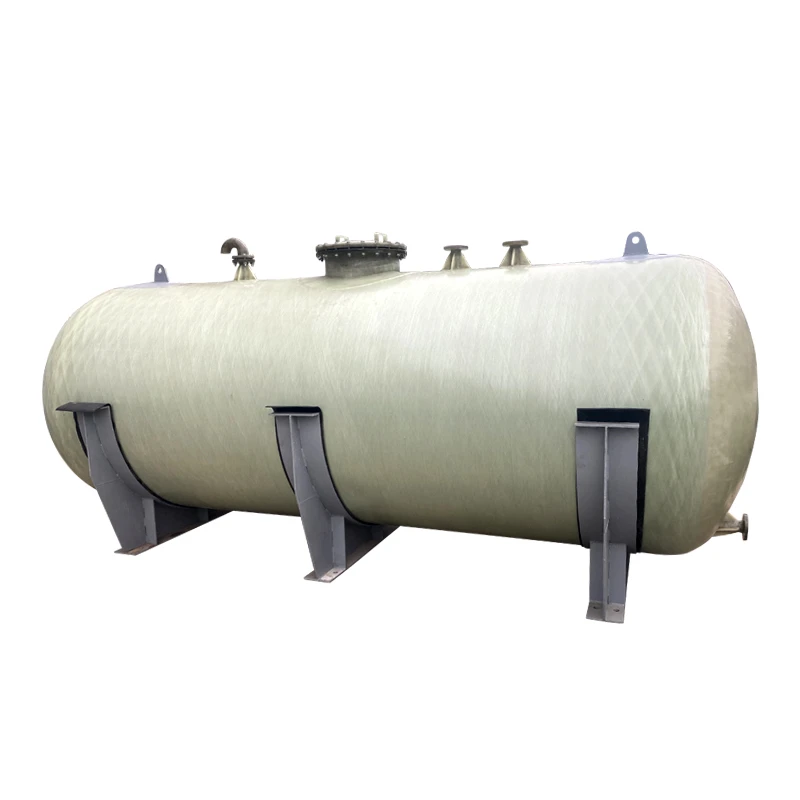
When we talk about storage solutions for liquids—be it water, chemicals, or fuel—the 100 gallon fiberglass tank pops up as a surprisingly versatile player. Why? Because in an age where durability meets mobility, fiberglass tanks strike a balance that quite a few industries and communities rely on. Whether you're managing a remote worksite’s water supply or deploying emergency relief resources after a disaster, these tanks offer a compact, corrosion-resistant vessel for your needs.
Globally, the demand for reliable, lightweight, and weather-resistant storage is on the rise. According to the International Organization for Standardization (ISO), materials that ensure longevity and safety in harsh environments are critical for sustainable infrastructure development. The humble 100 gallon fiberglass tank fits neatly into this narrative, functioning as a clean water reservoir, chemical storage, or even fuel tank—often where other materials just wouldn’t cut it.
The Global Context of Fiberglass Tanks
It’s interesting that fiberglass composite tanks, particularly in the 100 gallon range, have become a staple across multiple continents—from arid African outposts to bustling Asian industrial parks. The United Nations highlights water security as a key component of sustainable development, and tanks like these help by safely storing potable water in a container that won’t rust or leach contaminants.
But challenges like corrosion, weight, and fragility of traditional metal or plastic tanks remain globally relevant. So the fiberglass tank, which blends strength with lightness and chemical resistance, arrives on the scene as a practical solution. The World Bank, for example, funds numerous projects where durable storage solutions are critical, especially in disaster relief scenarios or long-term rural infrastructure.
Mini Takeaway:
- The 100 gallon fiberglass tank addresses a niche but vital need for safe, durable storage worldwide.
- Its global relevance ties back to sustainability, water security, and chemical storage needs.
What Exactly Is a 100 Gallon Fiberglass Tank?
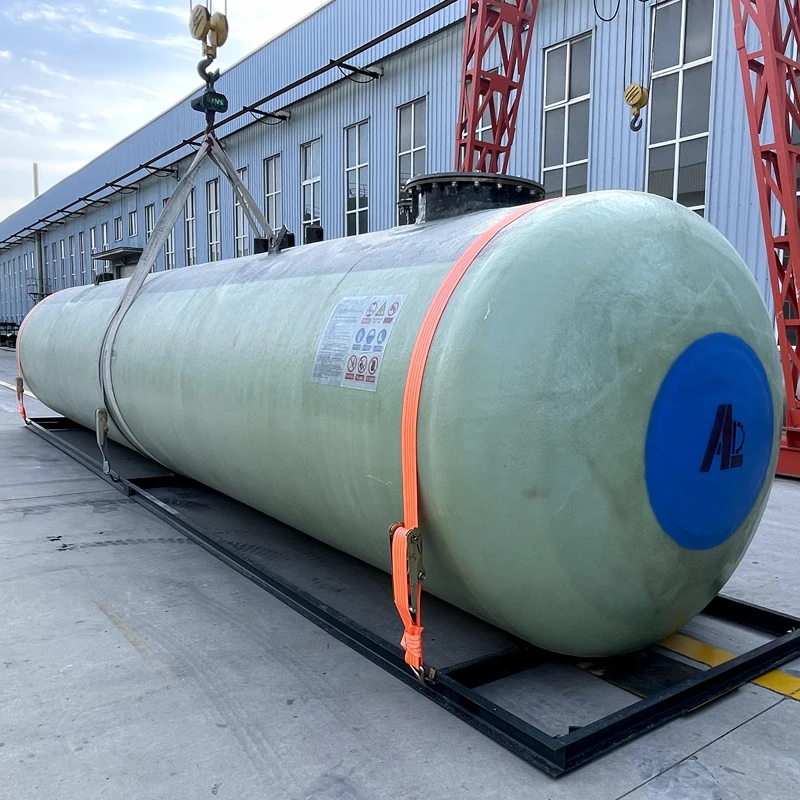
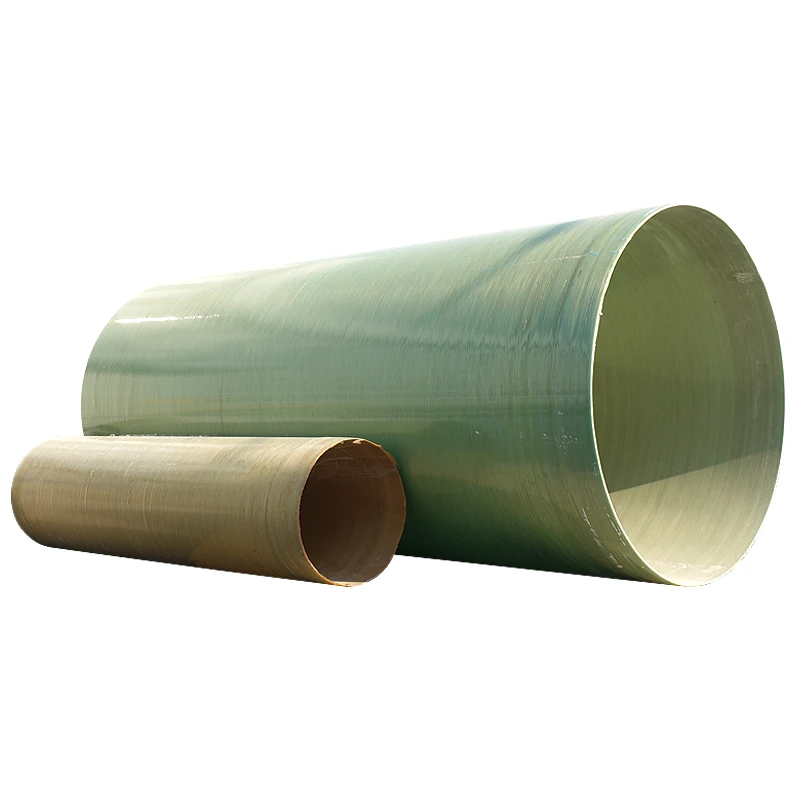
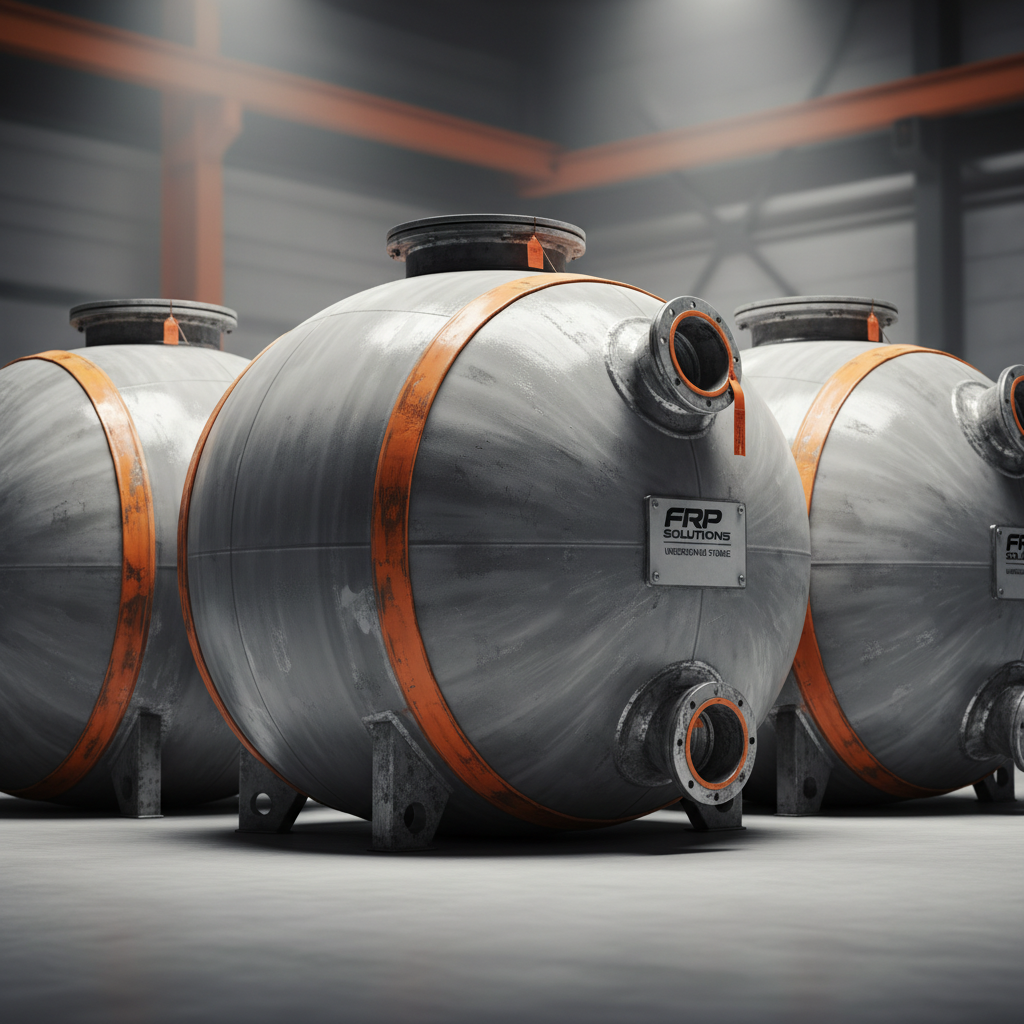
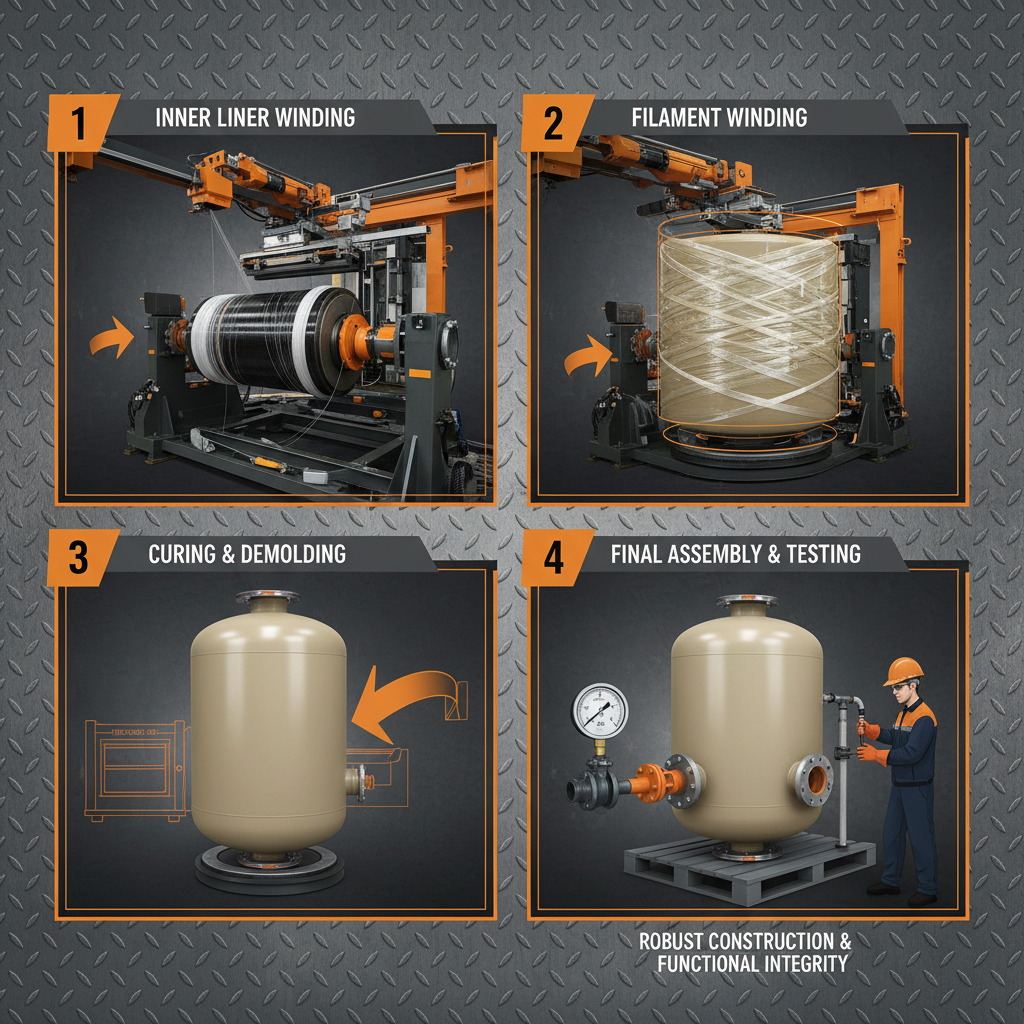
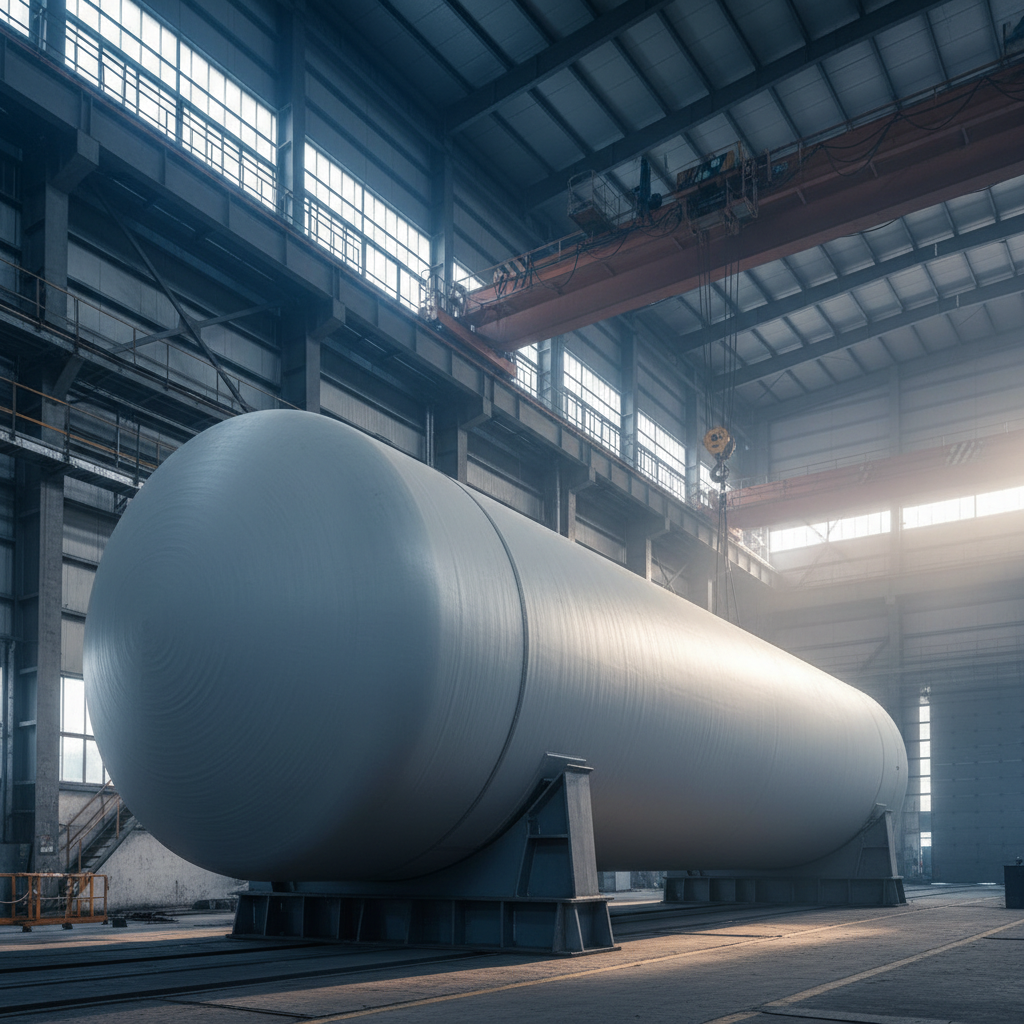
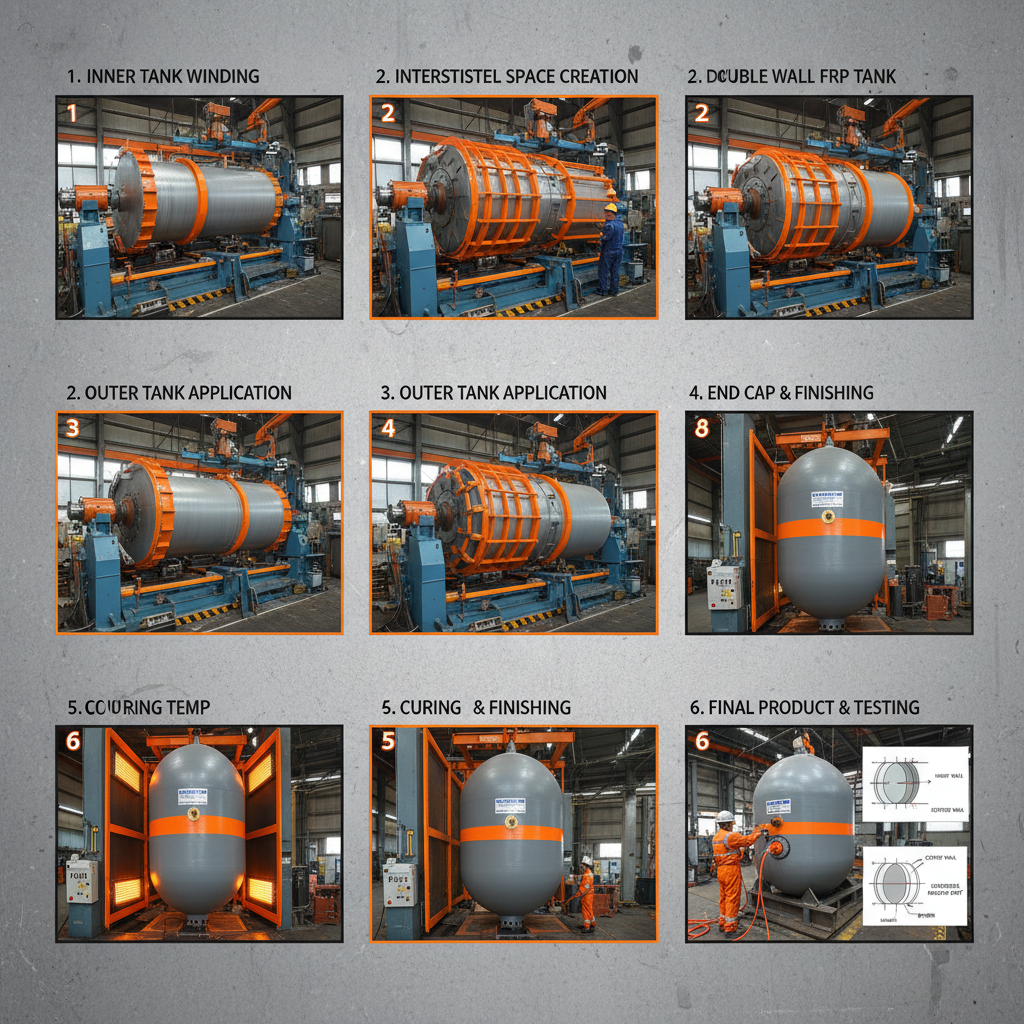
In simple terms, a 100 gallon fiberglass tank is a container made from glass-reinforced plastic (GRP) designed to hold approximately 100 gallons (378.5 liters) of liquid. Unlike metal or polyethylene tanks, fiberglass steps up with a composite structure that resists corrosion, UV damage, and maintains most of its structural integrity over years even in tough conditions.
You’ll find these tanks in modern industries such as agriculture, manufacturing, wastewater management, and even humanitarian aid — anywhere liquid storage needs a balance between portability, durability, and safety.
Mini Takeaway:
- It's a composite plastic vessel designed for long-term, safe liquid storage.
- The 100 gallon size balances portability and adequate volume for diverse applications.
Key Features of a 100 Gallon Fiberglass Tank
Durability: Built to Last and Defy the Elements
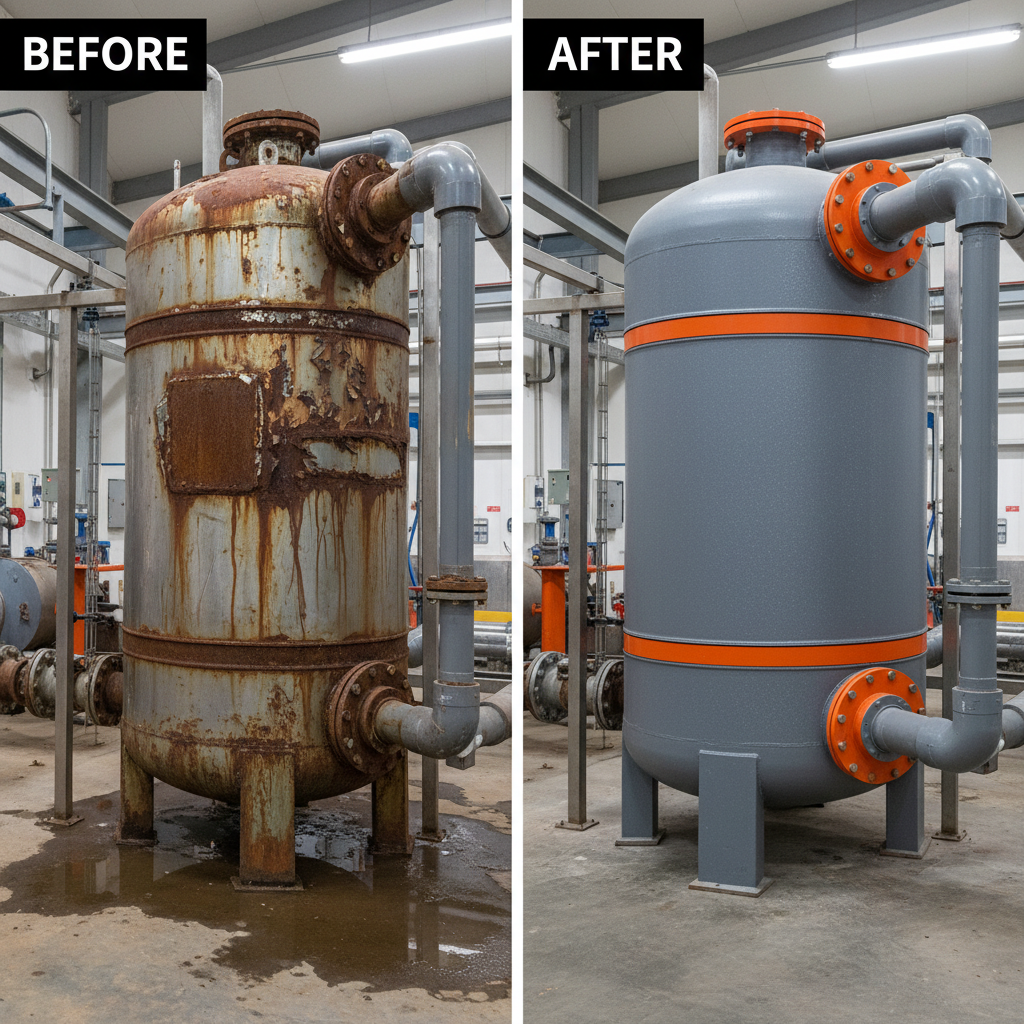
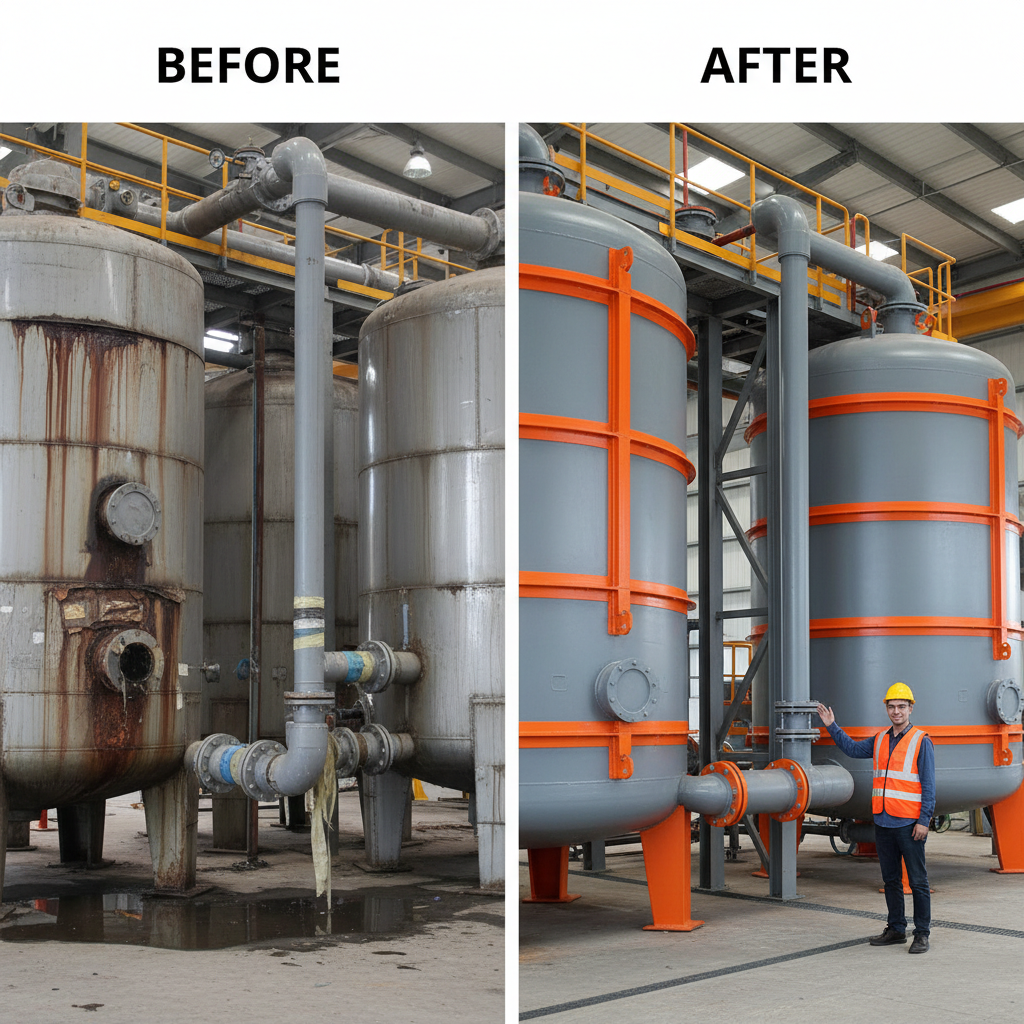
Fiberglass has this odd knack for withstanding UV rays, harsh chemicals, and temperature swings. Unlike steel tanks, these won’t rust in humid or coastal regions, and unlike plastics, they rarely crack or warp under stress.
Lightweight & Portable
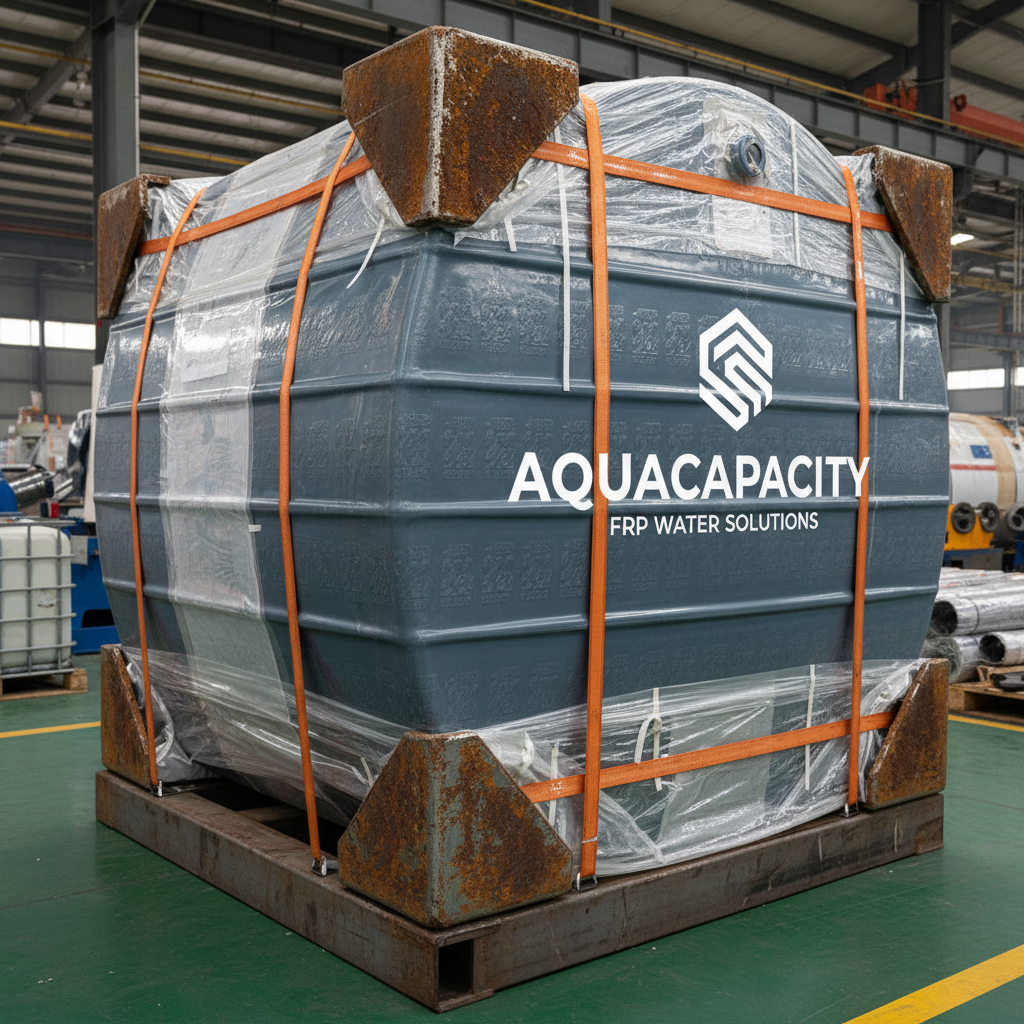
At roughly 80-100 pounds empty, a 100 gallon fiberglass tank feels easier to move compared to traditional metal tanks. This makes installation on rooftops, remote sites, or even trucks far more manageable.
Corrosion & Chemical Resistance
Many industries deal with corrosive liquids—chemical processing plants or agricultural pesticide storage, for example. Fiberglass tanks resist most acids, alkalis, and solvents, extending their usability.
Cost Efficiency
While not the cheapest on a per-gallon basis, fiberglass tanks last longer and reduce maintenance costs. That long-term ROI often wins over initial price objections.
Customization & Design Flexibility
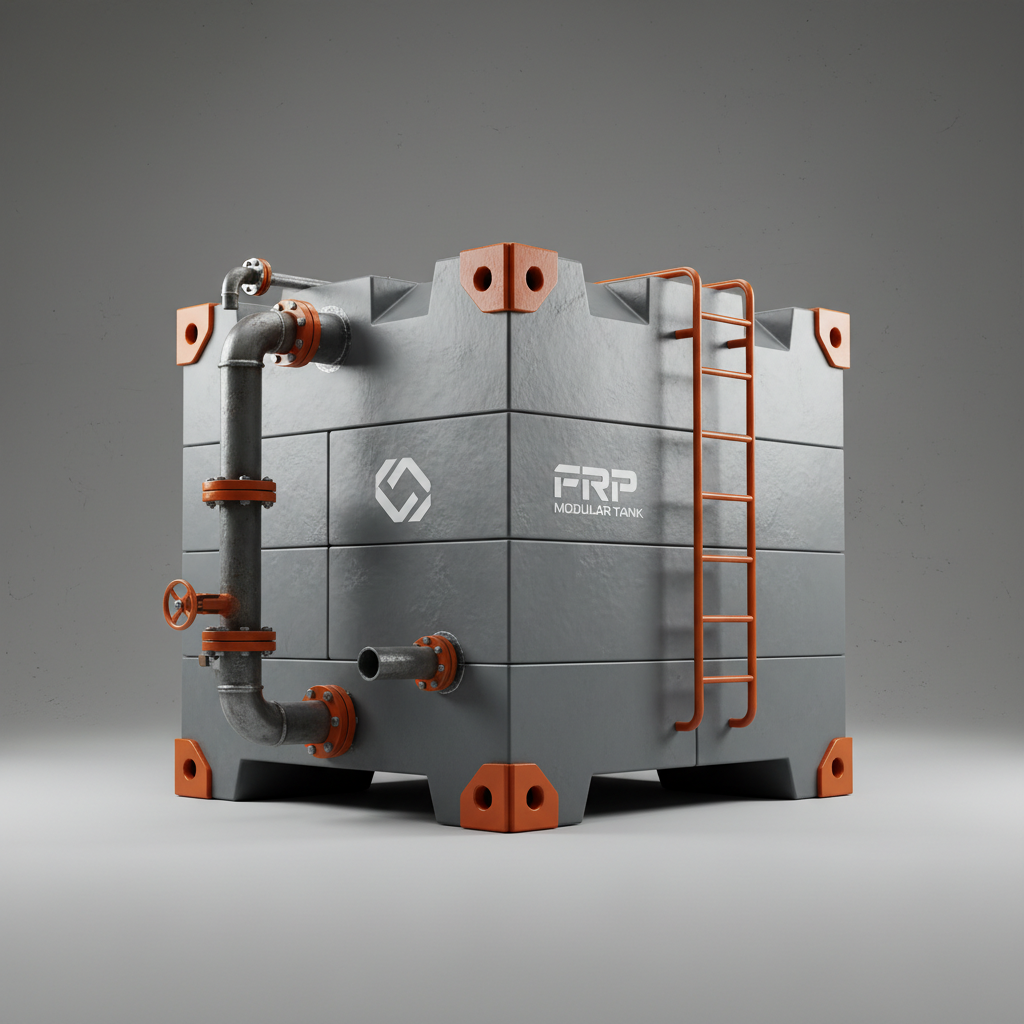
These tanks come in various shapes, with added features like baffles for agitation, vents, or multiple inlet/outlet ports. This adaptability is a practical advantage not all tanks share.
Mini Takeaway:
- Durability and chemical resistance reduce long-term maintenance headaches.
- Lightweight design means easier installation and transport.
- Customization options make these tanks versatile for a variety of needs.
Real-World Uses of the 100 Gallon Fiberglass Tank
In real terms, these tanks find homes everywhere:
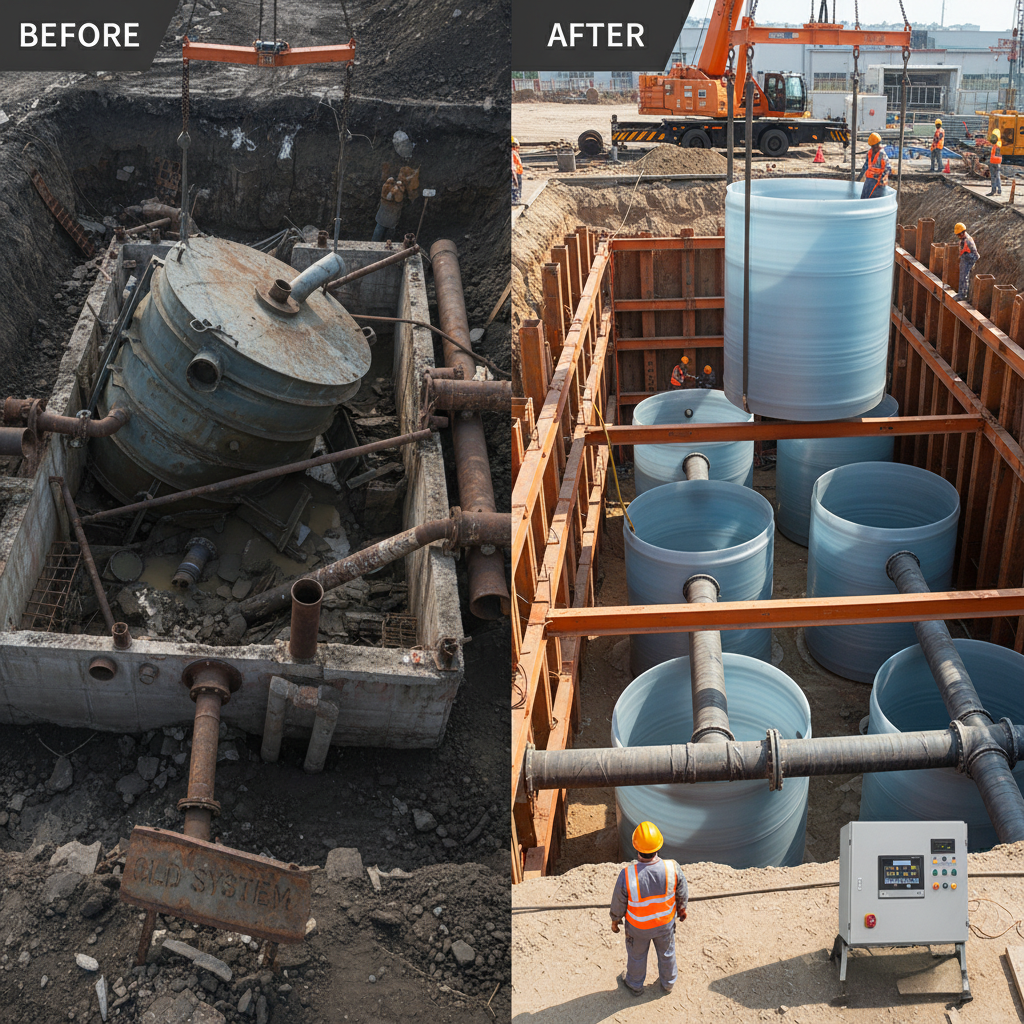
- Disaster Relief: NGOs use them to mobilize clean water storage quickly after flooding or earthquakes — their portable and corrosion-resistant frame stands up to harsh conditions.
- Agriculture: Farmers haul water, fertilizers, or pesticides safely across fields, knowing the tank won’t degrade quickly.
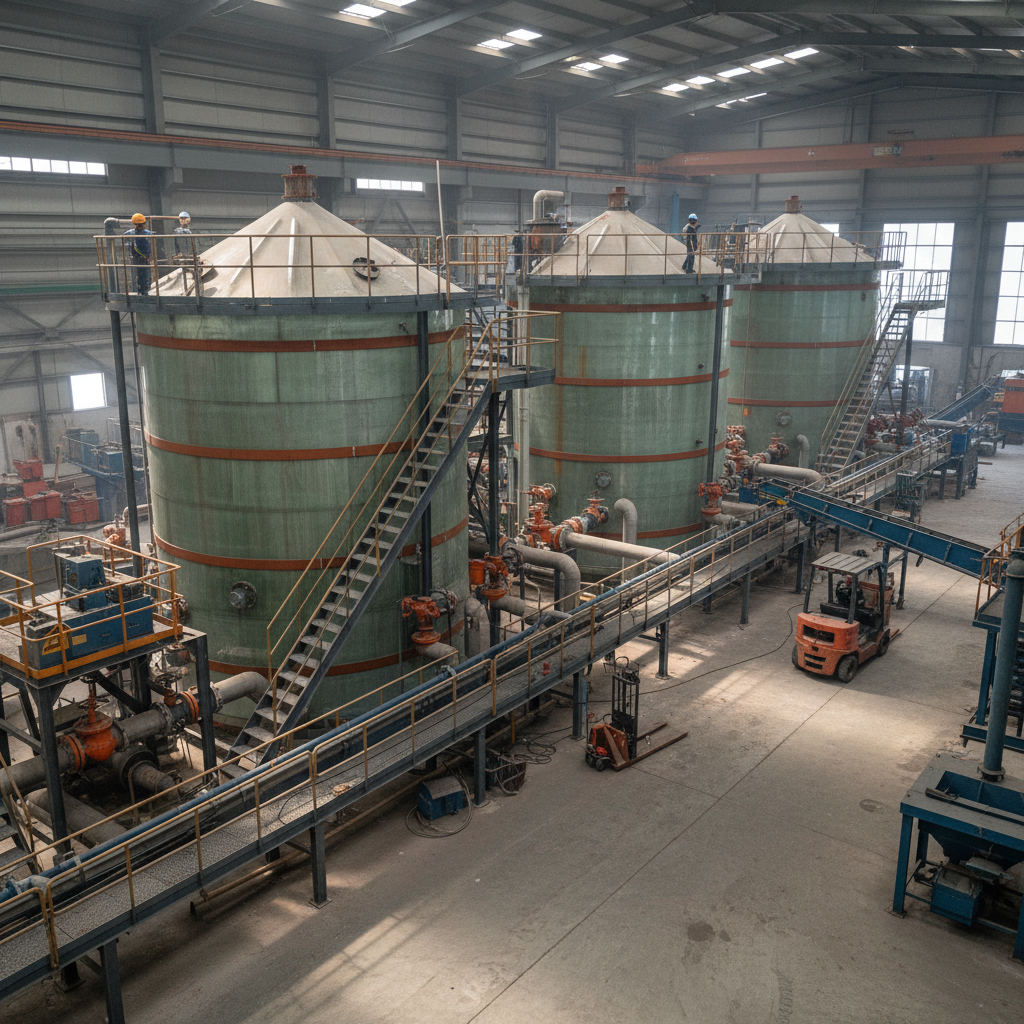
- Industrial Sites: Chemical plants store specialty liquids in fiberglass tanks that avoid contamination and corrosion.
- Remote Communities: Many rural regions lacking infrastructure rely on durable storage to safeguard water supplies.
Oddly enough, a small NGO I spoke with last year mentioned how moving a 100 gallon fiberglass tank on a motorbike to a remote village was much easier than expected — showing just how practical and community-friendly these tanks can be.
Mini Takeaway:
- Used globally from emergency response to agriculture.
- Its portability and durability make it suitable for rough environments.
Specifications at a Glance
| Specification | Details |
|---|---|
| Capacity | 100 gallons (378.5 liters) |
| Material | Glass Reinforced Plastic (Fiberglass) |
| Weight (empty) | 85-100 lbs (38.5-45 kg) |
| Dimensions (approx.) | 48" H x 24" Diameter |
| Temperature Range | -20°C to 80°C (-4°F to 176°F) |
| UV Resistance | Yes, with UV inhibitors |
| Chemical Resistance | Acids, bases, solvents (varies by resin) |
How Do the Top Vendors Stack Up?
| Vendor | Price Range (USD) | Customization | Warranty | Typical Industries Served |
|---|---|---|---|---|
| FibraTanks Inc. | $550 - $700 | Baffles, gauges, ports | 5 years | Agriculture, Chemical, Water |
| ClearHold Tanks | $600 - $750 | Standard models, limited mods | 3 years | Industrial, Municipal |
| GlobalResin Tanks | $580 - $720 | High customization, export-ready | 4 years | Emergency Relief, Oil & Gas |
Advantages & Long-Term Benefits Beyond the Specs
It’s not just about how tough or lightweight these tanks are (though that certainly counts). Purchasing a 100 gallon fiberglass tank means investing in sustainability — fiberglass has a recyclability edge and long lifespan reduces waste.
The social impact is palpable, too. Take water storage in developing communities: these tanks can safeguard hygiene and dignity by ensuring clean water isn’t compromised by rusty metal tanks or cracked plastic containers. Many experts also highlight their reliability in emergencies — “it’s the kind of equipment you want when everything else is shaky,” one NGO coordinator told me.
Looking Ahead: Innovations in Fiberglass Tank Technology
Fiberglass tanks aren’t standing still. New resin formulations with enhanced bio-resistance and UV stability are improving life expectancy. On the tech side, integration with digital sensors—think IoT-enabled tank gauges—helps operators track levels remotely.
Then there’s sustainability. Innovations targeting lower carbon footprints in fiber and resin production are gaining momentum, making these tanks even greener over time.
Overcoming Challenges
Of course, no solution is perfect. Fiberglass tanks can be brittle under extreme impact and require careful handling. Also, temperature extremes beyond their specifications may cause issues. However, better material blends and impact-resilient coatings are already making headway.
For shipping or export, complicated customs or import restrictions occasionally slow things down, but working with vendors offering export-ready designs and paperwork—like 100 gallon fiberglass tank suppliers—helps smooth the path.
FAQ: Your Questions About 100 Gallon Fiberglass Tanks
- Q1: How long does a 100 gallon fiberglass tank typically last?
- A: With proper care and environmental conditions within recommended ranges, these tanks can last anywhere from 10 to 20 years. UV exposure, chemical contents, and mechanical impacts are main lifespan factors.
- Q2: Can fiberglass tanks be repaired if damaged?
- A: Yes, minor cracks or punctures can often be repaired using fiberglass repair kits or professional services, extending the tank’s usability.
- Q3: Are 100 gallon fiberglass tanks safe for potable water?
- A: Most fiberglass tanks use food-grade resins suitable for potable water storage, but always verify certifications with your vendor.
- Q4: How easy is it to transport these tanks?
- A: Thanks to their weight and shape, they are relatively easy to move and install, even in remote or rugged environments.
- Q5: Do fiberglass tanks require special maintenance?
- A: Maintenance is minimal compared to metal tanks. Routine cleaning and visual inspections to check for damage usually suffice.
Conclusion: Embracing Durable Storage for a Changing World
Clearly, the 100 gallon fiberglass tank plays a quietly pivotal role across industries and communities worldwide. It’s a product that marries high-tech composite materials with practical, on-the-ground needs—where durability, portability, and safety all meet.
If you're interested in exploring how a 100 gallon fiberglass tank could streamline your operations or relief efforts, visiting trusted suppliers is a great next step. These tanks aren’t just containers; they’re reliable partners in managing liquid resources wisely.