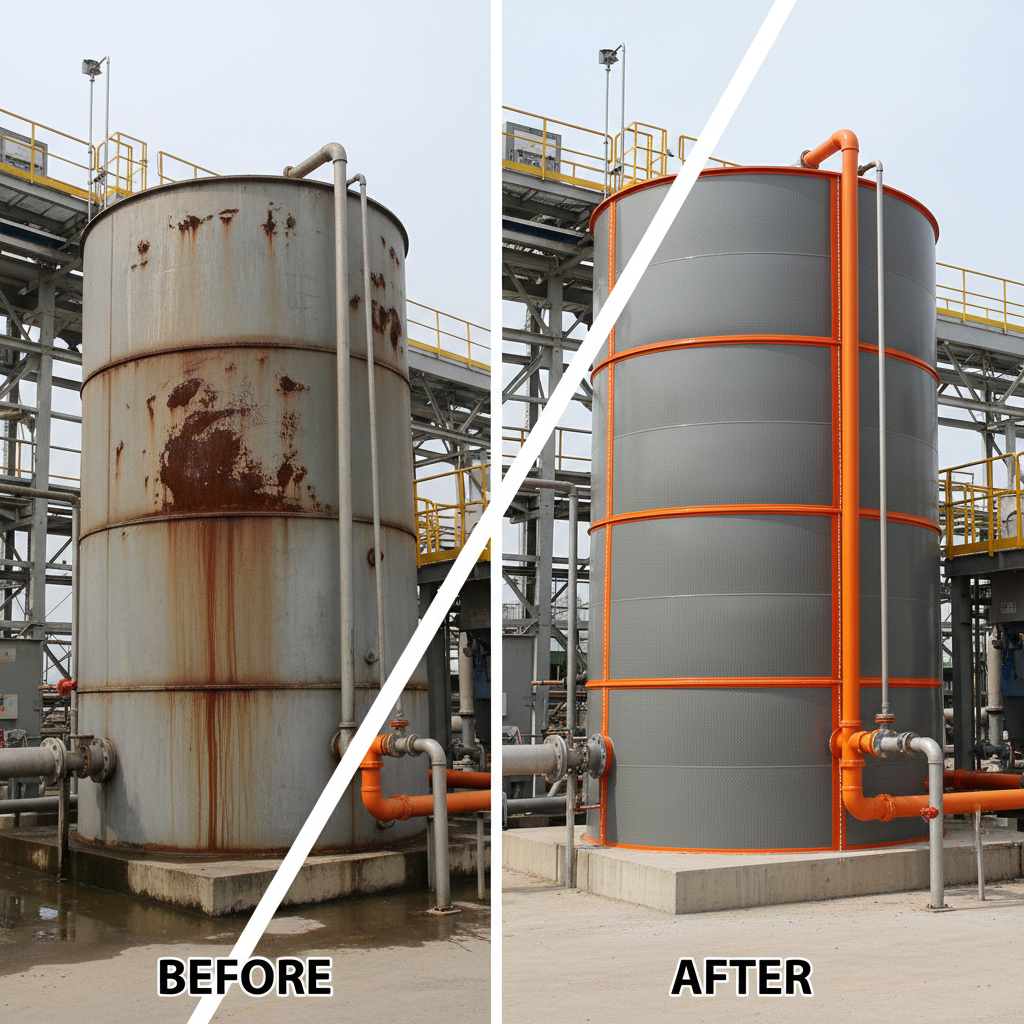
Durable & Sustainable Underground GRP Tanks for Water and Fuel Storage
Understanding Underground GRP Tanks: What They Are and Why They Matter
In today’s world, where sustainable water and fuel storage solutions are becoming increasingly crucial, underground GRP tanks are making waves. These tanks, made from Glass Reinforced Plastic (GRP), offer a modern alternative to traditional metal or concrete storage tanks. Globally, they play a vital role in industries ranging from municipal water management to remote mining operations. But why all the fuss? Well, understanding underground GRP tanks opens the door to appreciating their durability, cost-effectiveness, and environmental benefits—a trio that really counts in today’s infrastructure projects.
In fact, with rising urbanization and stricter environmental regulations—ISO 14001 being a prime example—choosing a solution that safeguards both resources and the environment has never been more relevant.
Mini takeaway: Underground GRP tanks are not just storage units—they are integral elements for sustainable infrastructure and industrial durability in a resource-conscious era.
Introduction: A Global Perspective on Underground GRP Tanks
Worldwide, the demand for reliable underground storage is growing by leaps and bounds. According to the United Nations, approximately 2.2 billion people lack safely managed drinking water services. In response, underground GRP tanks provide a practical answer by securing water supplies safely underground, protecting from contamination and evaporation.
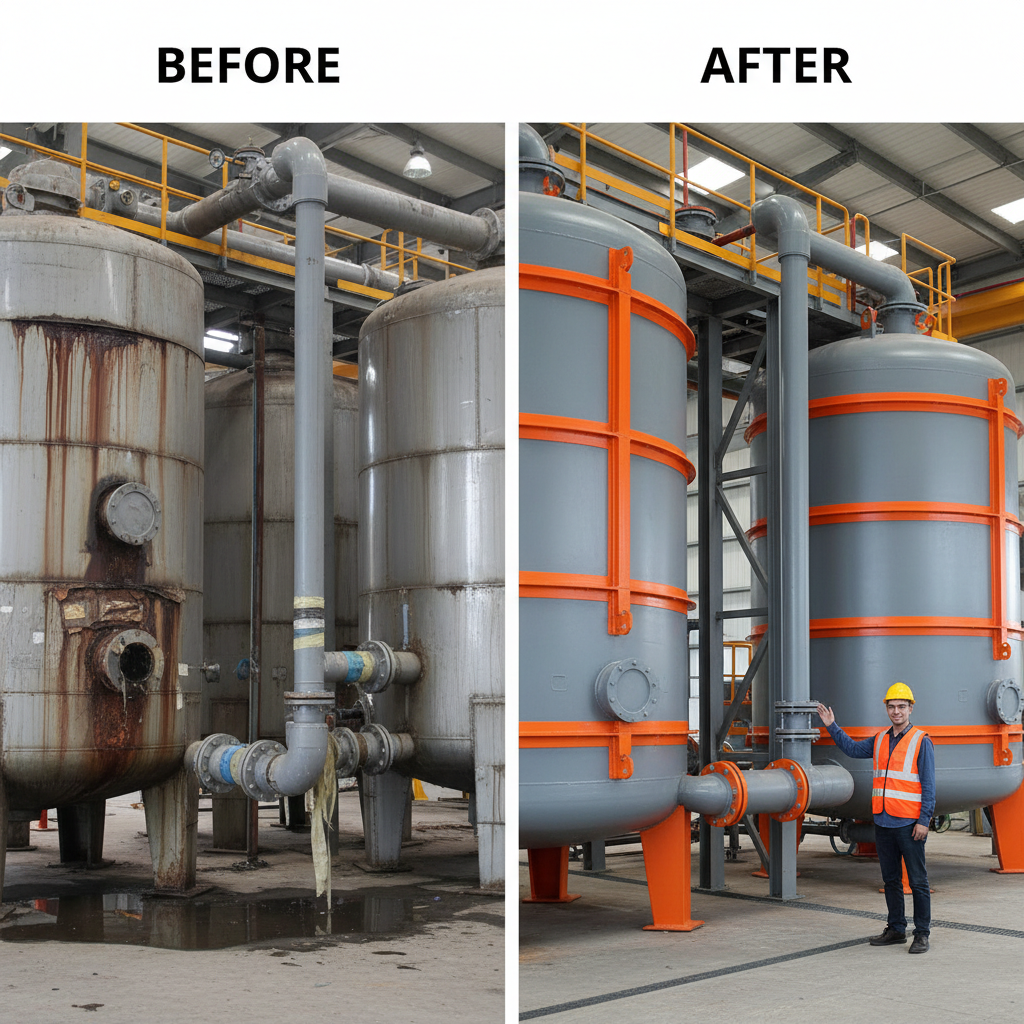
Additionally, industries such as petrochemical refining, agriculture, and firefighting rely heavily on these tanks to store fuel, chemicals, or water with absolute confidence in containment. The sturdy, corrosion-resistant nature of GRP helps tackle challenges like soil acidity and corrosion—common hurdles that metallic tanks struggle with.
However, one persistent challenge is the tank’s performance in rough terrains or flood-prone areas—something engineers continue refining.
Mini takeaway: As global challenges around water scarcity and environmental safety mount, underground GRP tanks emerge as a reliable frontline defense.
Defining Underground GRP Tanks: What Are They Exactly?
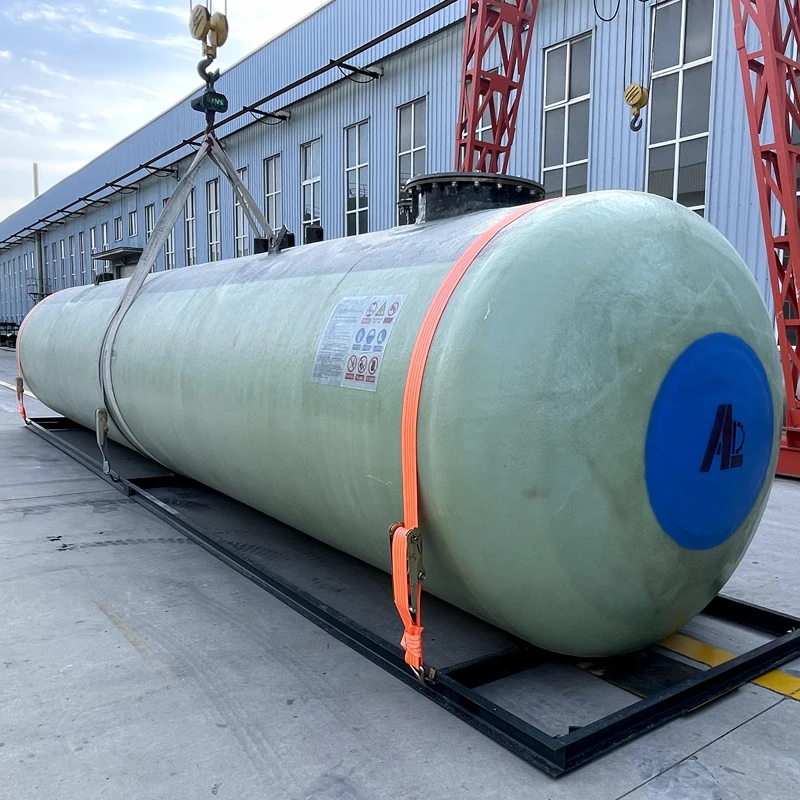
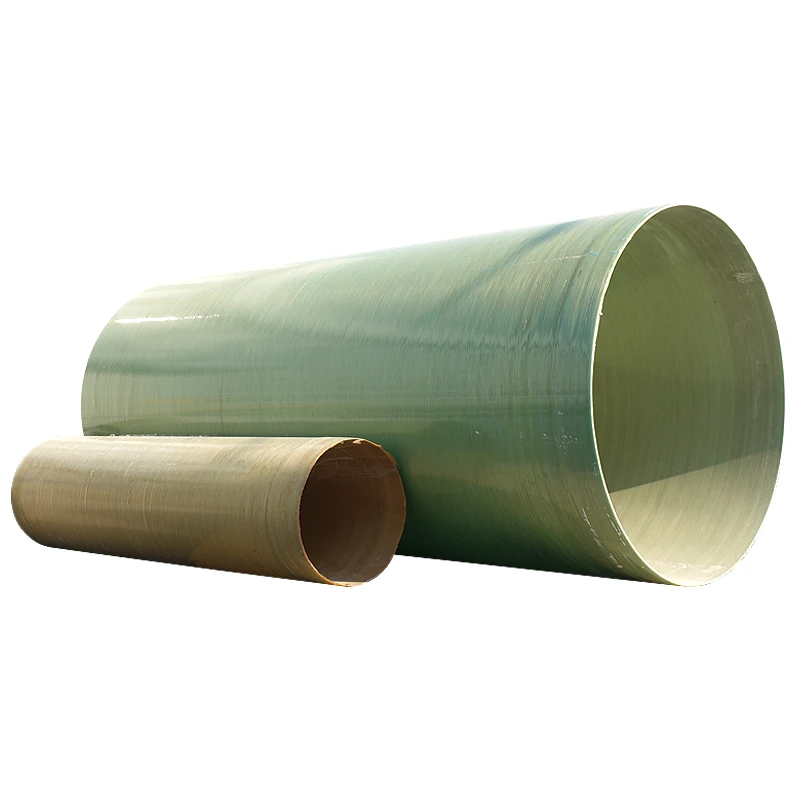
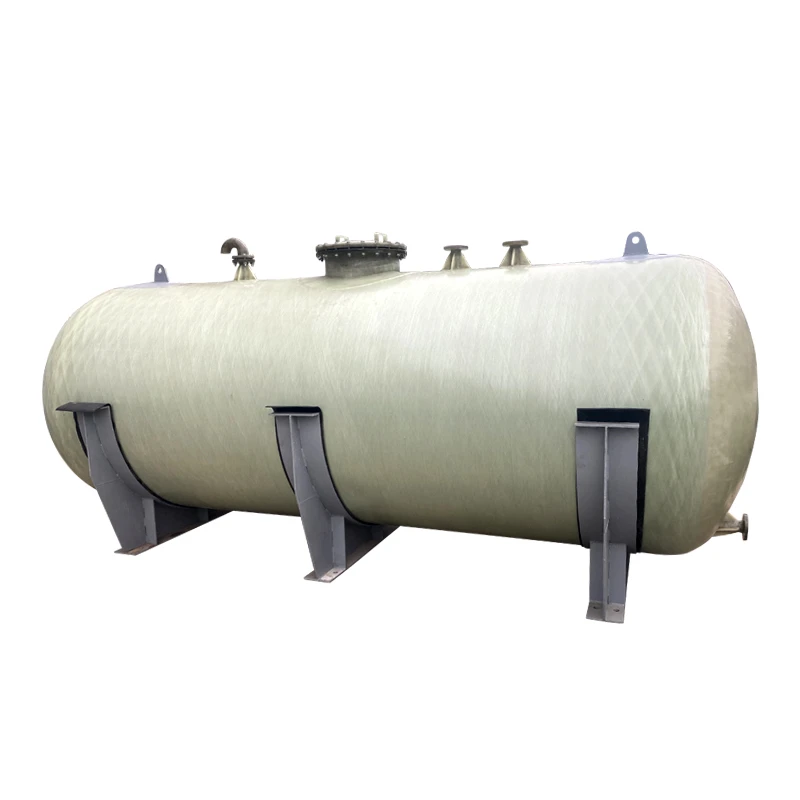
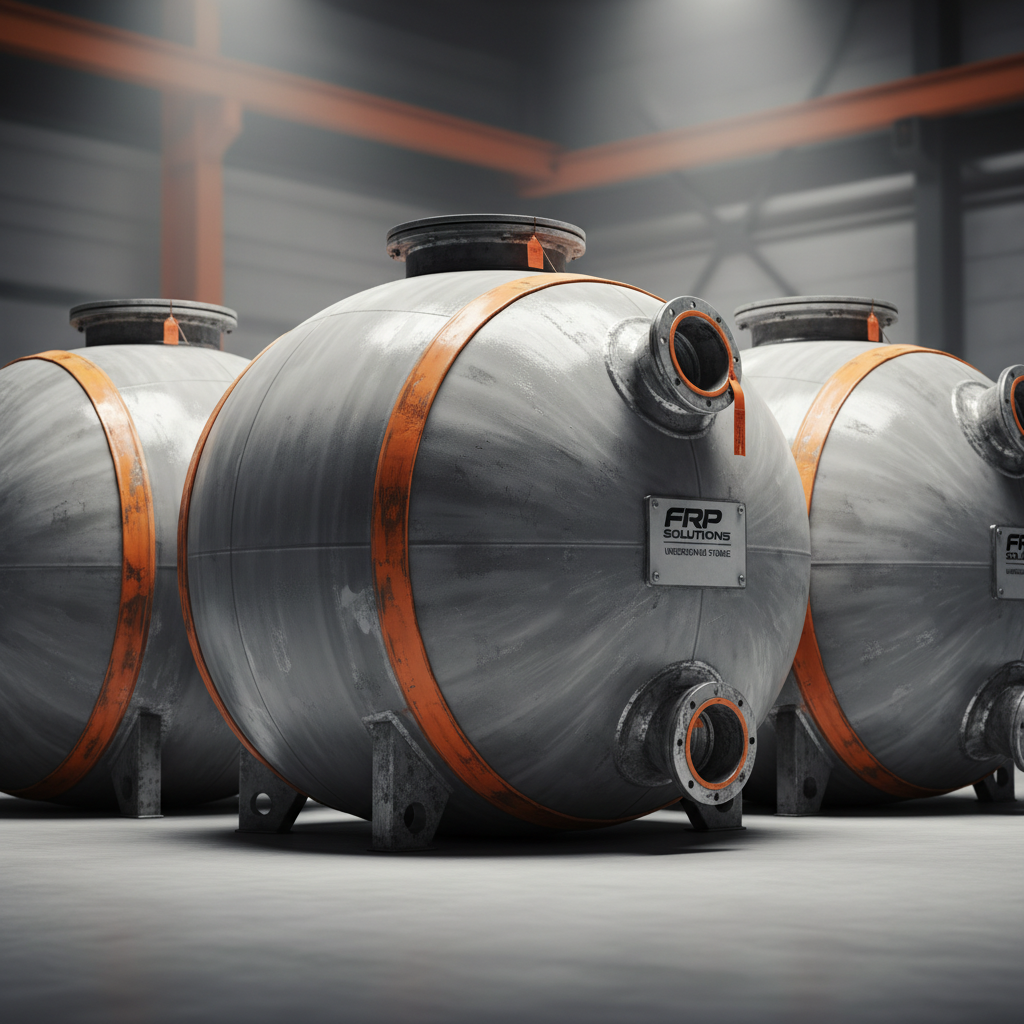
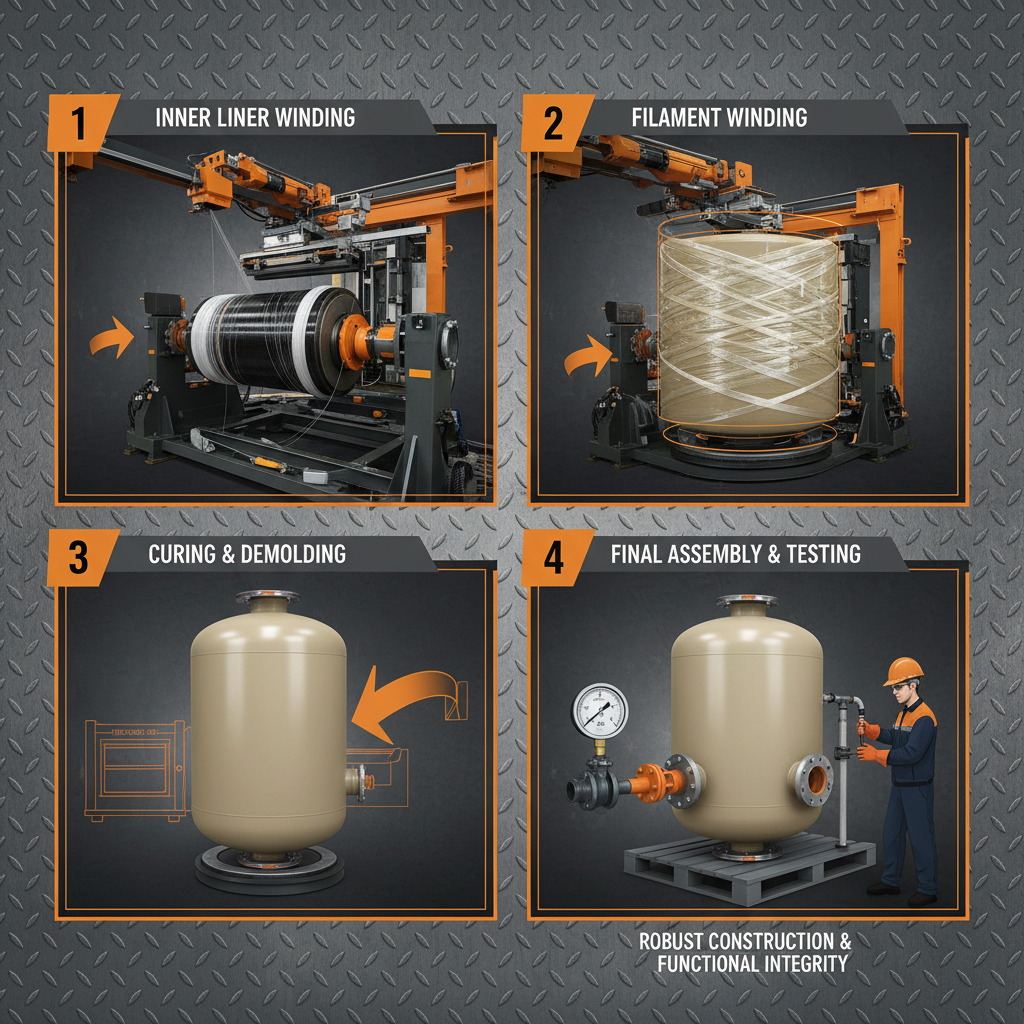
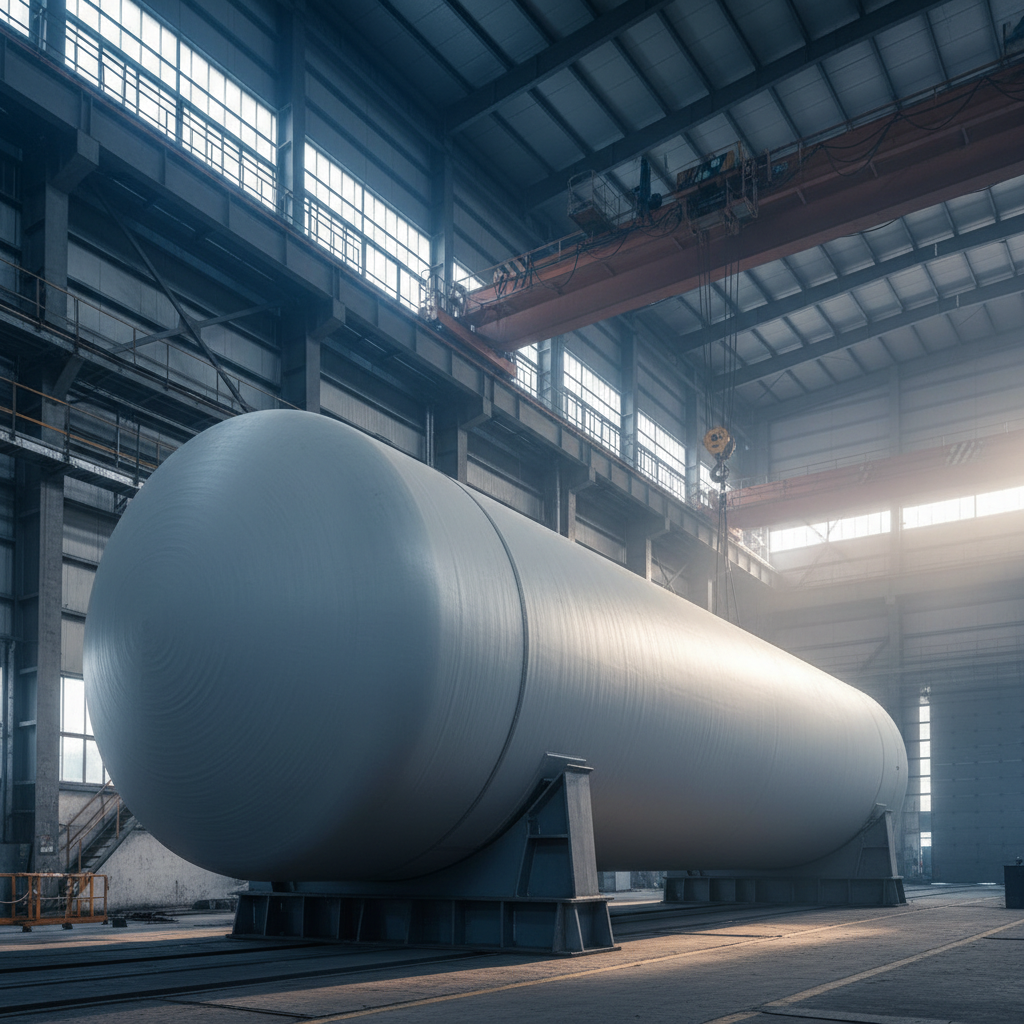
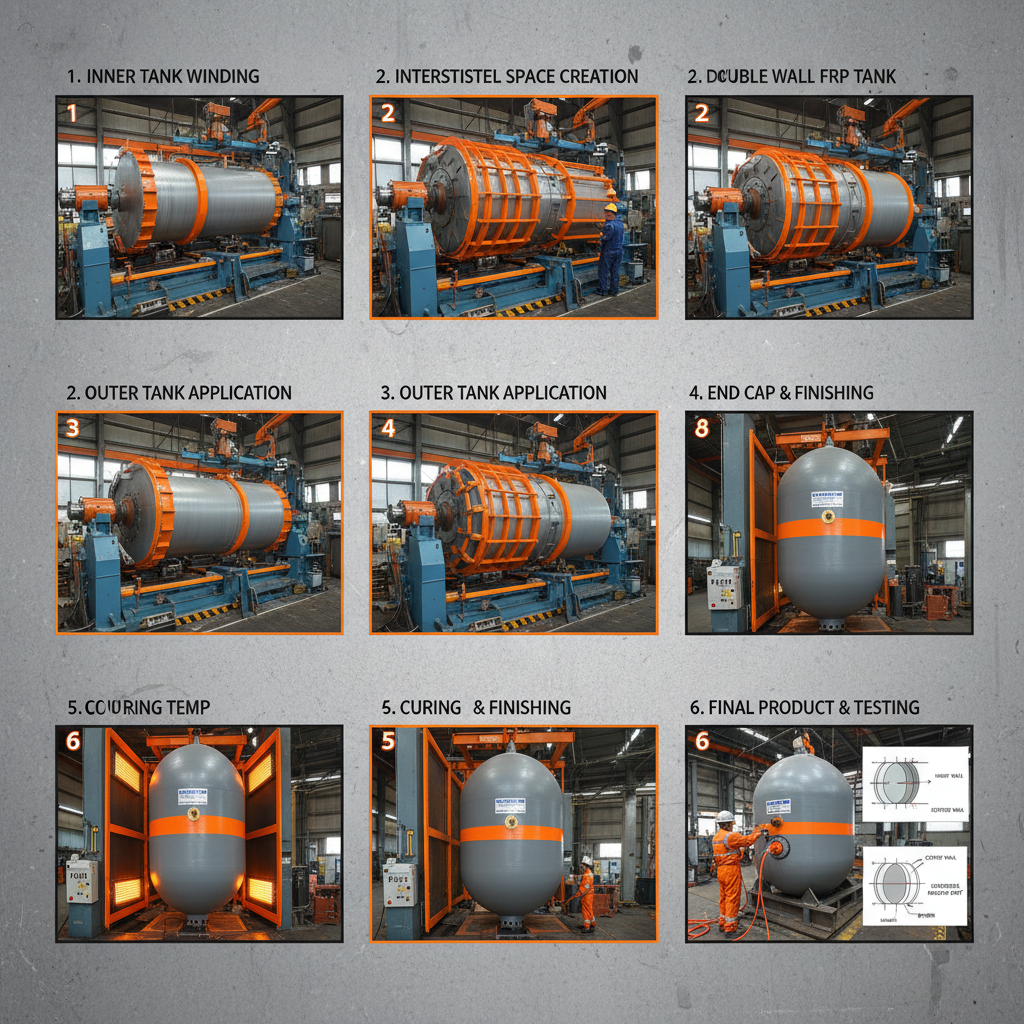
Put simply, an underground GRP tank is a storage vessel made from layers of fiberglass reinforced with resin, designed to be buried below ground level. This exact combination creates a tank that’s light yet strong, corrosion-proof, and adaptable to different soil conditions. They’re extensively used to store water, chemicals, fuels, or even waste materials.
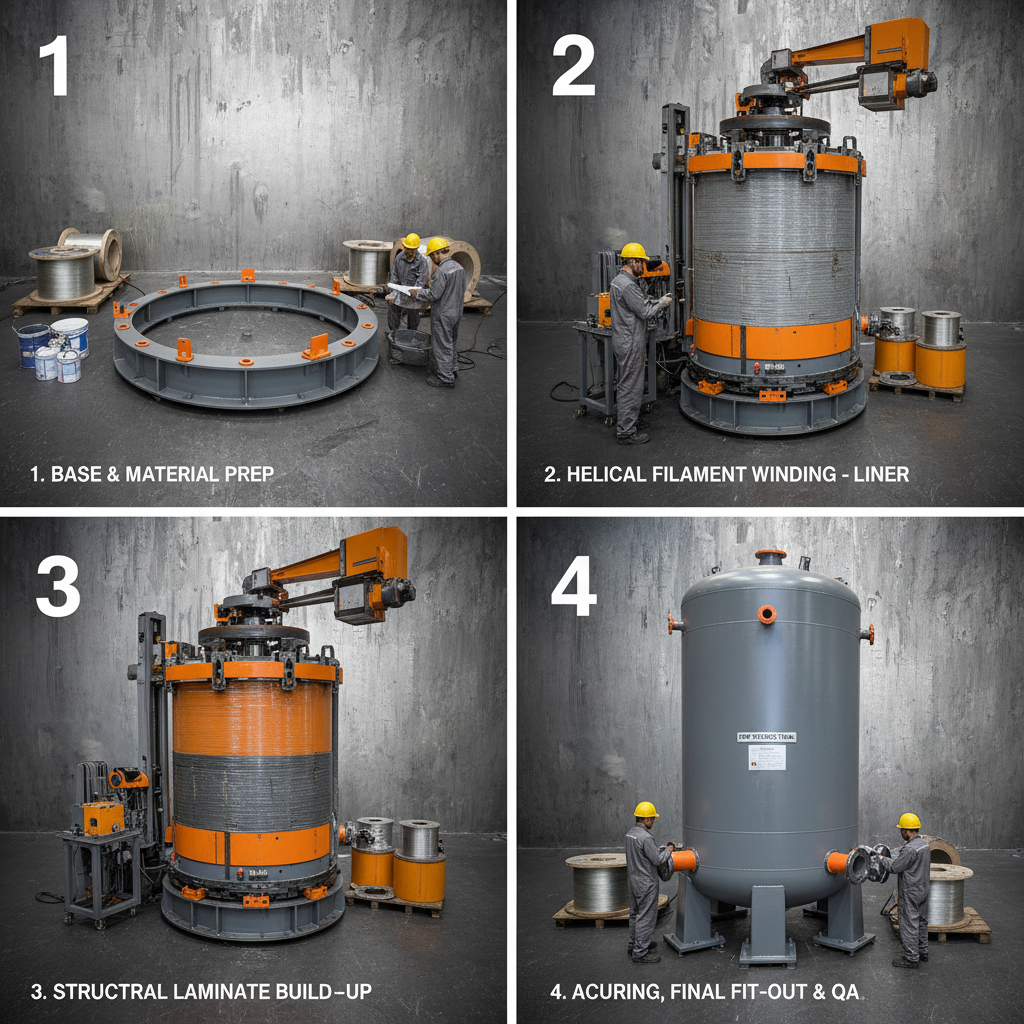
Unlike traditional steel or concrete tanks, GRP doesn’t rust or crack easily, and the manufacturing process enables customization of shapes and sizes to fit project-specific needs. In humanitarian efforts, they serve as durable yet rapid deployment solutions for water storage in disaster-hit zones.
Underground GRP tank technology is also tapping into smart sensor integration, enabling real-time monitoring of stored contents—an exciting leap toward digital infrastructure.
Core Components of Underground GRP Tanks
1. Durability Against Corrosion
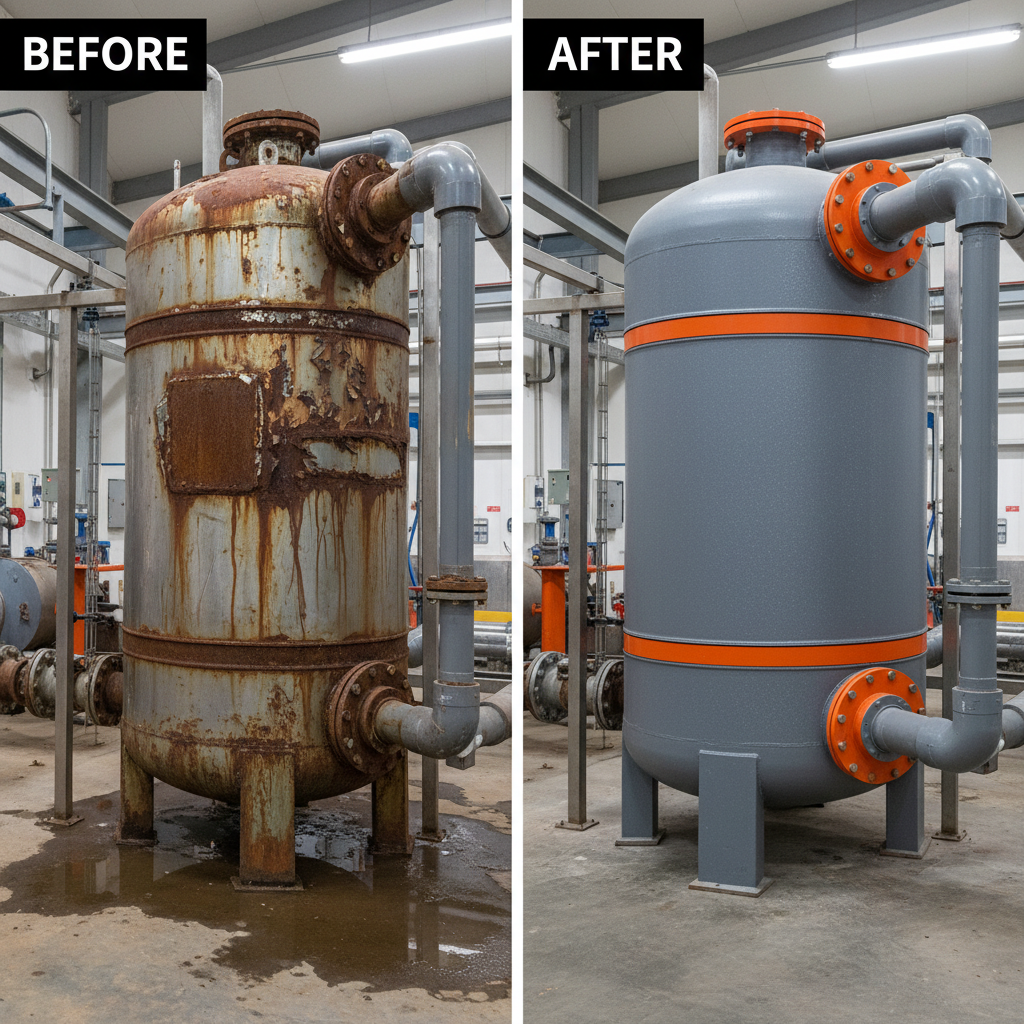
GRP materials stand tall against chemical corrosion, soil acidification, and microbial attack. It’s no wonder civil engineers prefer them where lifespan expectations touch 30 years or more without maintenance headaches.
2. Structural Strength & Weight
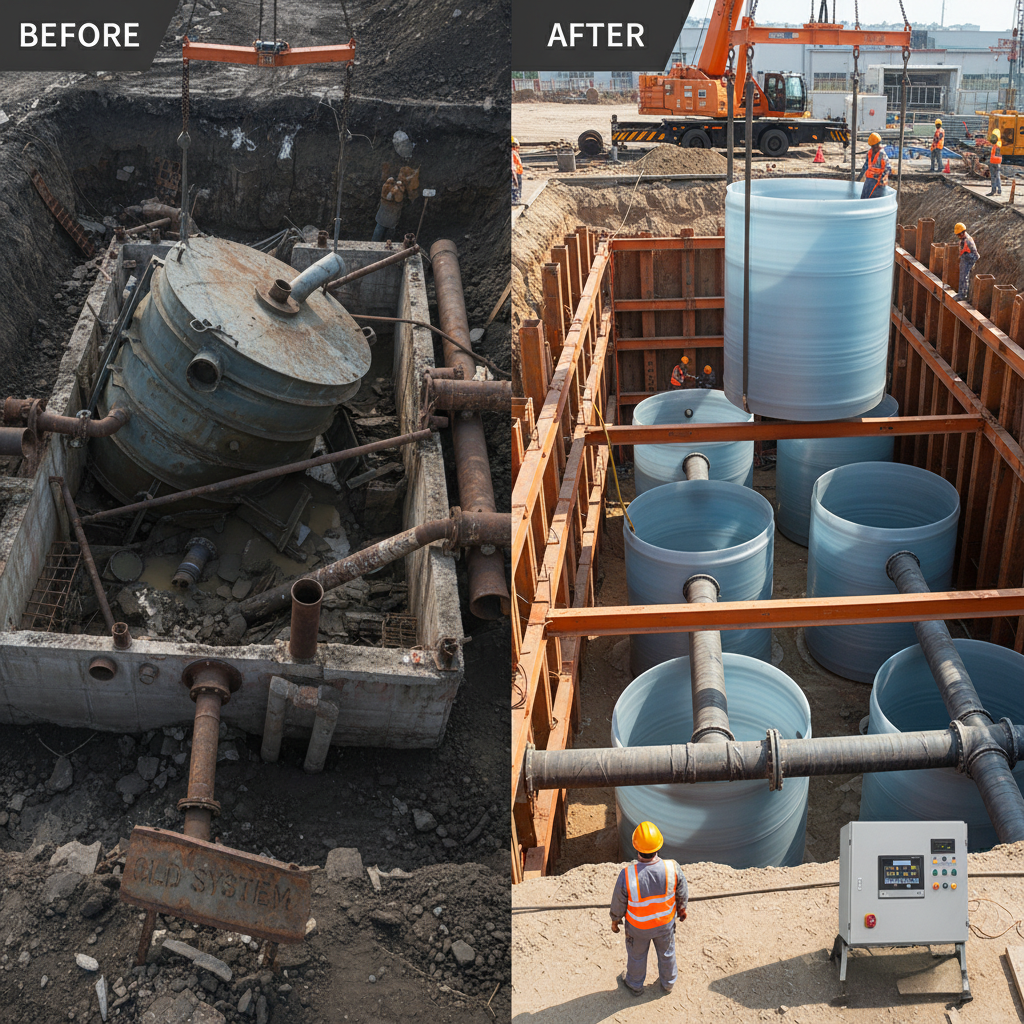
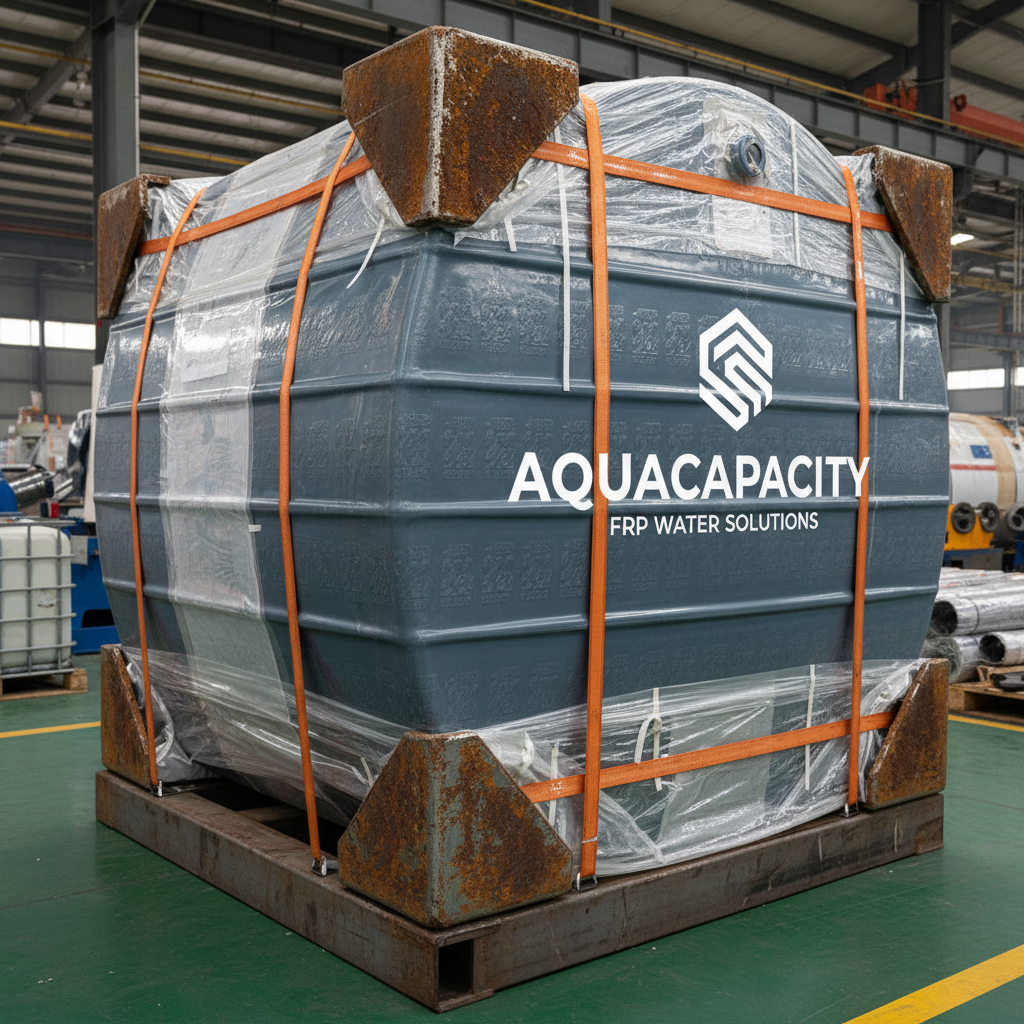
The composite nature means GRP tanks can sustain heavy loads from above-ground traffic and soil pressure while weighing much less than concrete counterparts. This lightness simplifies transport and installation on sites with limited access.
3. Cost Efficiency Over Time
While initial costs may be comparable or slightly higher than traditional tanks, lifecycle costs plummet thanks to minimal maintenance and longer service intervals. Savings in labor and repair come as a welcome surprise to many project managers.
4. Scalability & Customization
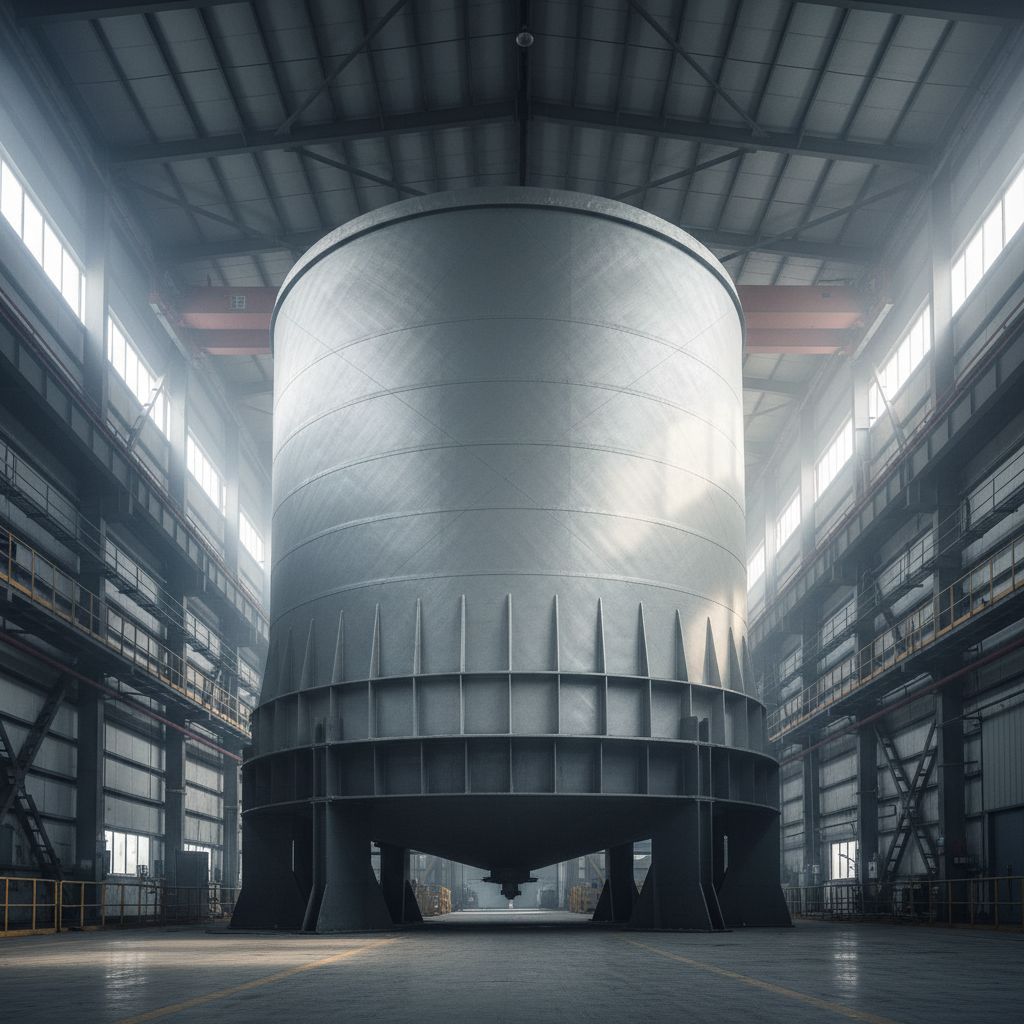
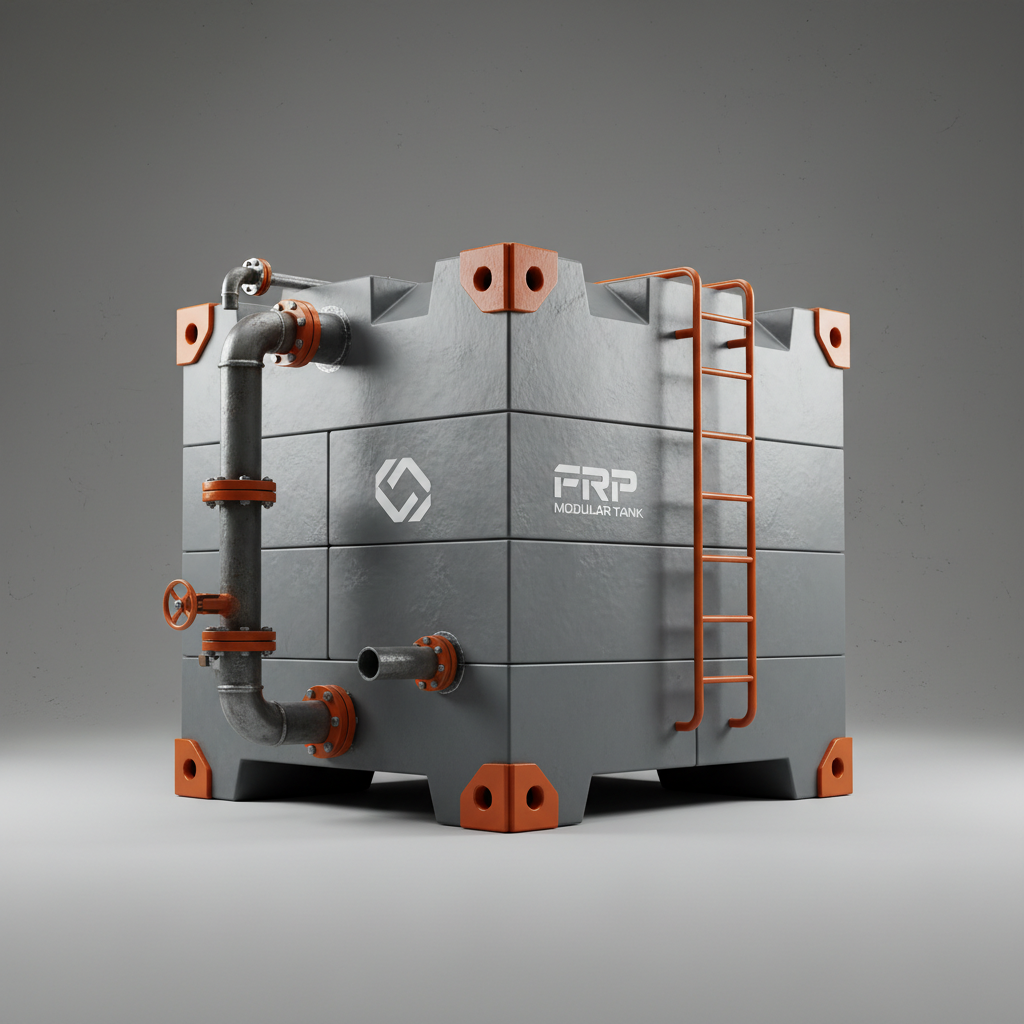
From small residential units to massive industrial storage solutions, GRP tanks can be tailored. Modularity and flexible production processes allow users to design tanks fit for unusual footprints or integration within complex underground utilities.
5. Environmental Compatibility
Being non-toxic and fully recyclable, GRP tanks align well with environmental certification schemes and circular economy ideals. This is key for green building projects or government-funded water schemes.
Mini takeaway: These core features combine to make underground GRP tanks not just practical, but smart choices for modern infrastructure demands.
Global Applications of Underground GRP Tanks
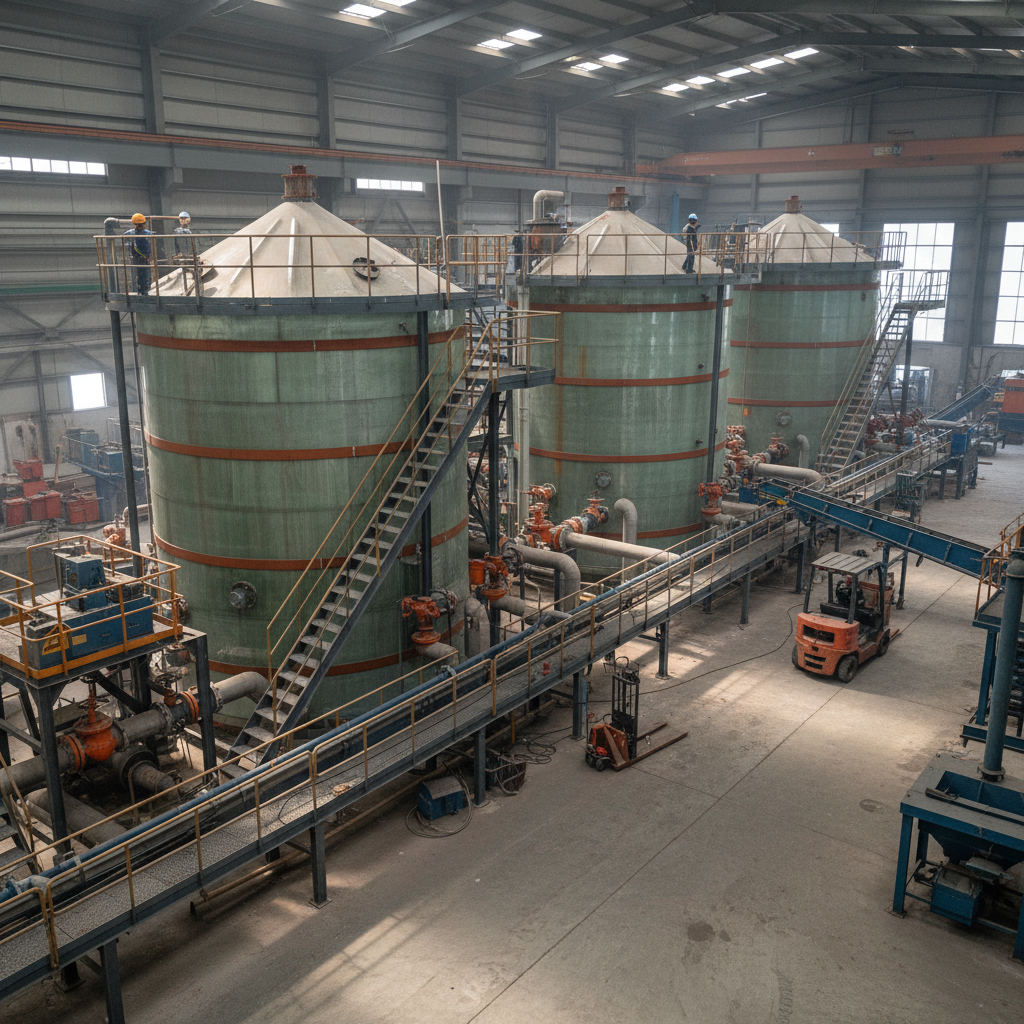
Applications span continents and industries. In Australia’s mining sector, underground GRP tanks safely hold process water and fuel, resisting harsh environmental conditions. In Europe, municipal water authorities increasingly rely on them for rainwater harvesting and fire suppression reservoirs, protecting urban water infrastructure.
Post-disaster relief organizations have found underground GRP tanks invaluable for stable, hygienic water storage in flood zones or earthquake-affected areas. In remote industrial zones of Africa and Asia, ease of transport and quick installation make them lifelines where conventional tanks simply won’t ship or install.
This broad relevance reflects not just the tanks’ technical merits but adaptability, a factor often underrated but hugely appreciated on real-world projects.
Advantages and Long-Term Value
- Cost savings: Low maintenance plus repair resistance translate into more budget stretch over decades.
- Reliability and Safety: Leak-proof design minimizes environmental hazards, supporting regulatory compliance.
- Sustainability: Non-corrosive and recyclable materials mean less environmental impact.
- Social impact: Safe water storage ensures that communities experience consistent access to clean water, empowering dignity and health.
On a human level, there’s a reassurance knowing a buried tank stands guard over precious resources—without daily worries about rust or seepage. Kind of like a silent partner ensuring continuity and trust in infrastructure.
Future Trends and Innovations
Digital transformation meets GRP storage. Upcoming tanks feature embedded IoT sensors for monitoring levels, temperature, and integrity in real time. Besides, advancements in resin chemistry promise tanks with enhanced fire resistance and biofouling prevention.
Future policies are nudging industries toward greener materials, and GRP manufacturers are responding with recycled fiber reinforcements and bio-based resins. Combine this with robotic manufacturing techniques and you get precision output with reduced waste.
Challenges and Practical Solutions
Despite the advantages, GRP tanks face challenges, such as vulnerability to UV degradation if stored above ground for long before installation. There’s also sensitivity to certain solvents—calling for rigorous compatibility checks.
Addressing logistics in ultra-remote areas still demands creative modular designs and partnerships with local construction teams familiar with GRP handling. Modern engineering teams often solve these issues through hybrid solutions—combining GRP with sealants or coatings dependent on soil chemistry.
Frequently Asked Questions About Underground GRP Tanks
- Q: How long do underground GRP tanks typically last?
- A: With proper installation and maintenance, GRP tanks can last 25 to 30 years, sometimes even longer depending on soil conditions and exposure.
- Q: Are underground GRP tanks suitable for storing drinking water?
- A: Absolutely. GRP materials are safe for potable water and resistant to chemical leaching, complying with most international health standards.
- Q: Can these tanks be installed in flood-prone regions?
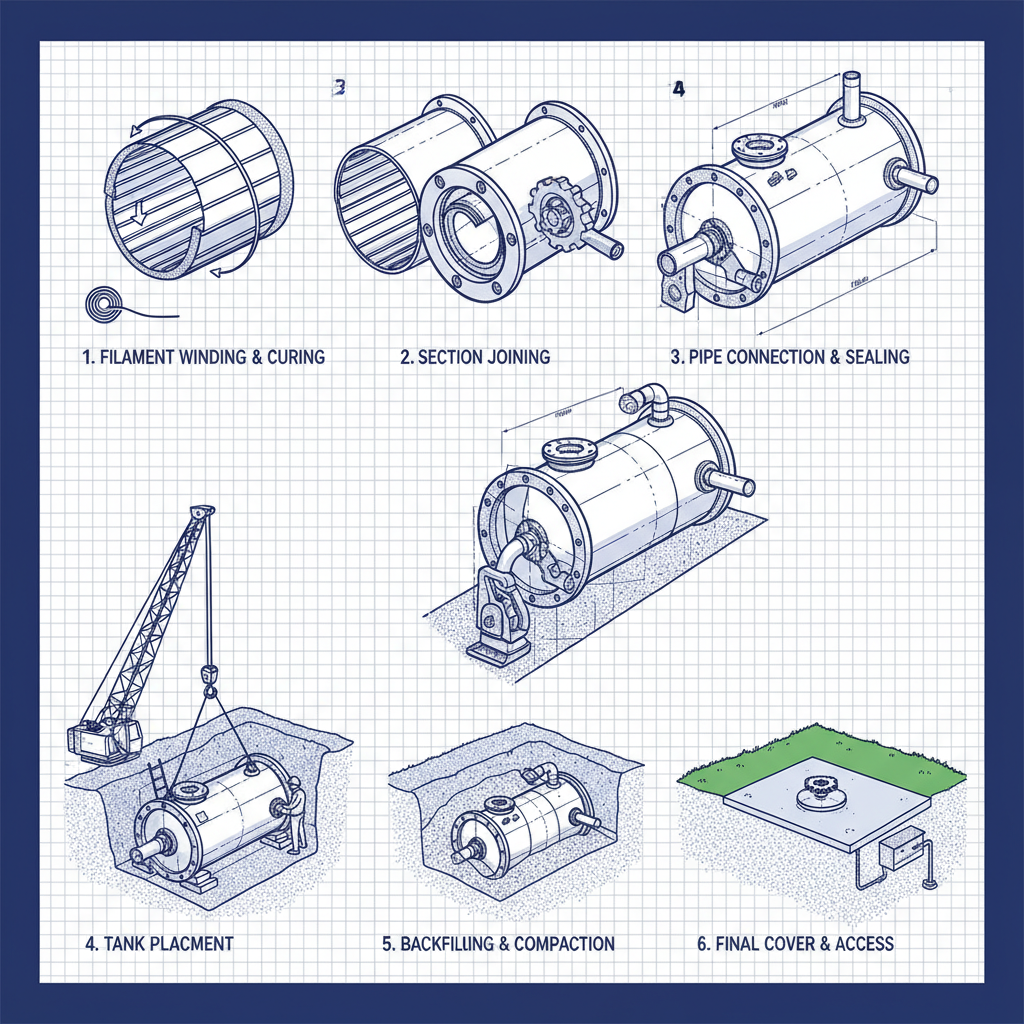
- A: Yes, but installation must consider buoyancy forces and soil conditions. Often, additional anchoring systems are integrated to prevent displacement.
- Q: Is customization possible for unusual site requirements?
- A: GRP tanks shine here; manufacturers often offer tailored dimensions and modular configurations to fit unique installation footprints.
- Q: How do GRP tanks compare cost-wise to concrete alternatives?
- A: Initial investments are similar, but GRP tanks usually have lower life-cycle costs due to minimal maintenance and easier repairs.
Summary and Call to Action
In sum, underground GRP tanks offer a compelling mix of durability, environmental compatibility, and cost-efficiency that modern industries and communities urgently need. They aren't just “containers” but crucial infrastructure elements enabling safe storage and sustainable water management globally. If you’re interested in exploring state-of-the-art underground GRP tanks tailored to your project's needs, I encourage you to visit our website and discover our range of innovative solutions.
Product Specification Table
| Specification | Typical Values |
|---|---|
| Material | Fiberglass Reinforced Polyester (GRP) |
| Diameter Range | 1m to 5m (custom sizes available) |
| Length Range | 2m to 15m |
| Max Working Pressure | Up to 3 bar (depending on design) |
| Temperature Range | -40°C to +60°C |
| Expected Lifespan | 25-30 years |
Vendor Comparison Table
| Vendor | Product Range | Customization | Lead Time | Warranty |
|---|---|---|---|---|
| Company A | Water & Fuel Tanks 0.5–10m³ | Yes, full customization | 6-8 weeks | 10 years |
| Company B | Standard Sizes 2–5m³ | Limited | 4-6 weeks | 7 years |
| Company C | Industrial Tanks 5–15m³ | Yes, modular options | 8-10 weeks | 12 years |