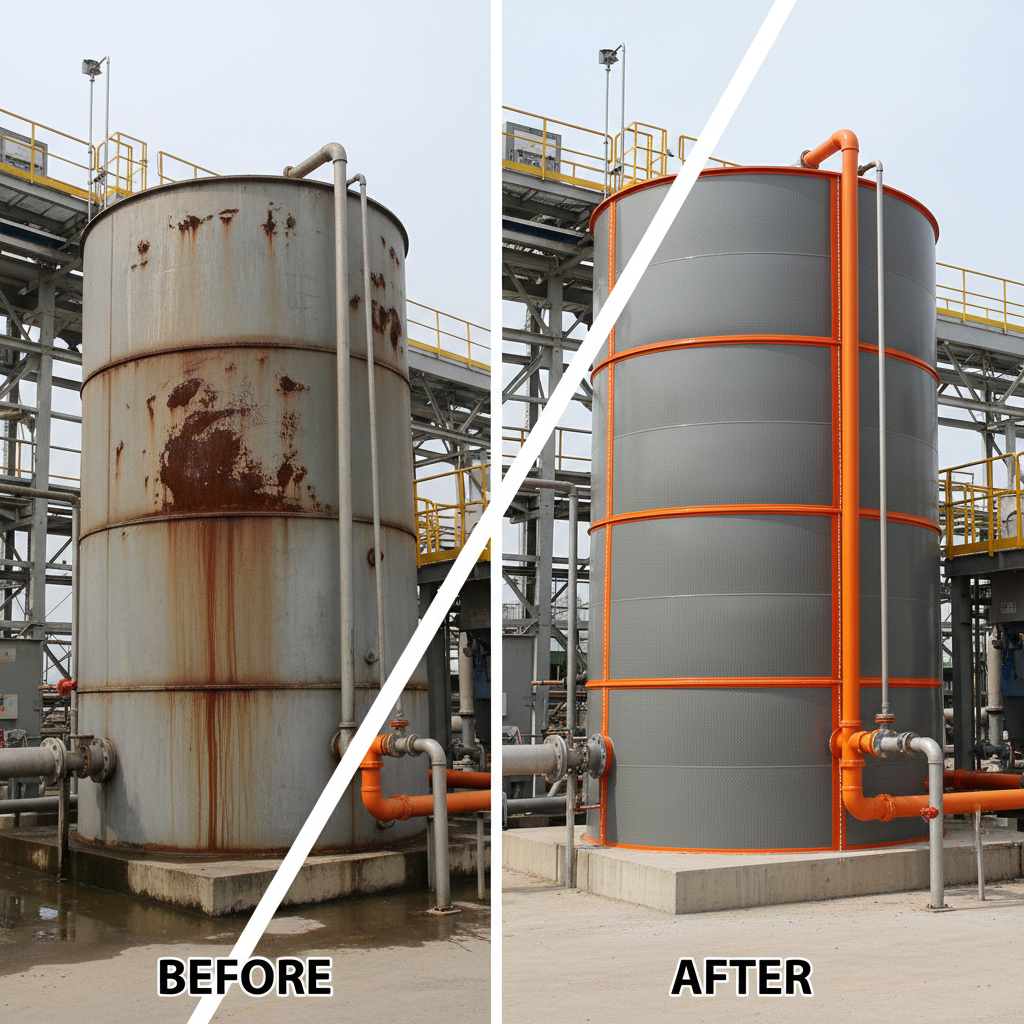
FRP Pultrusion Machine - High-Efficiency, Precision, Custom
Inside the FRP boom: a practical look at the frp pultrusion machine
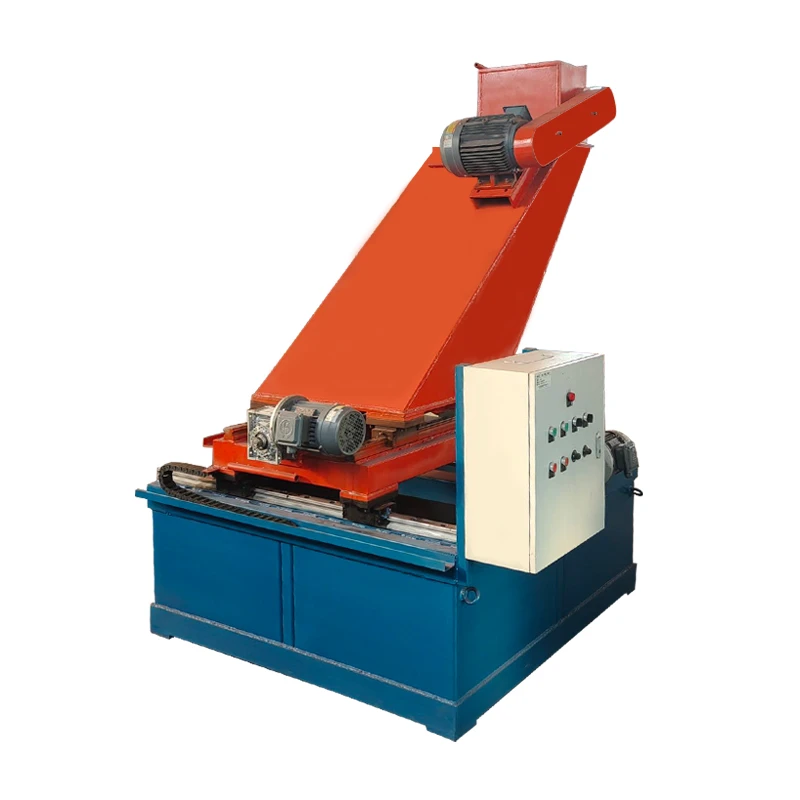
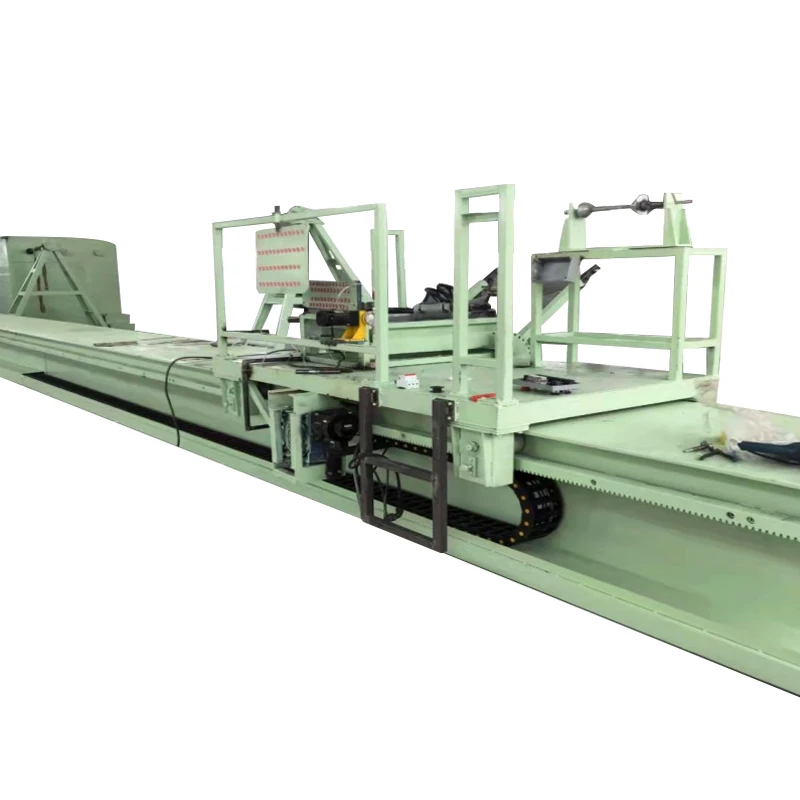
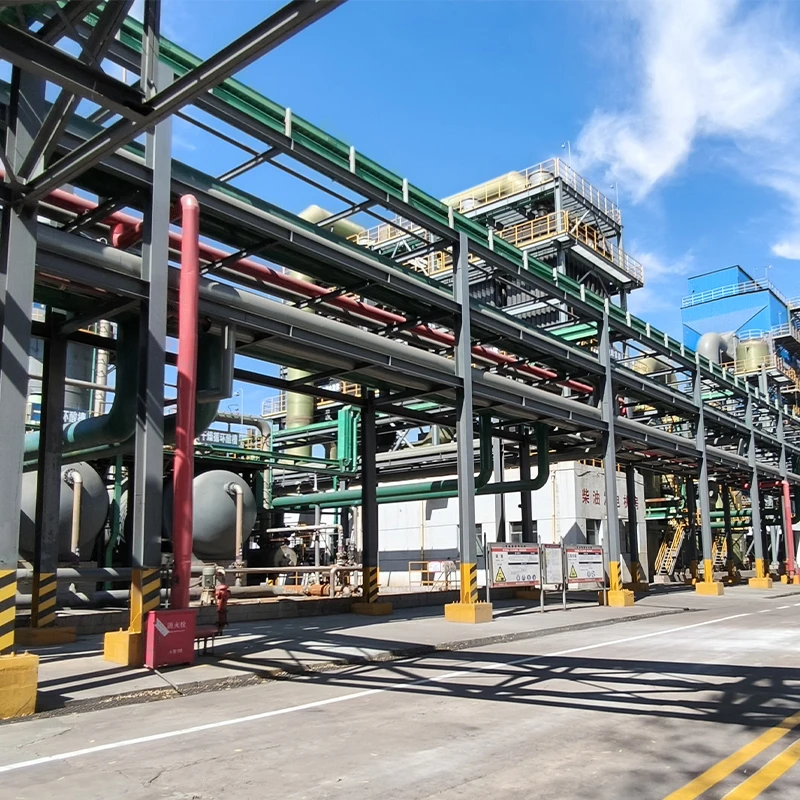
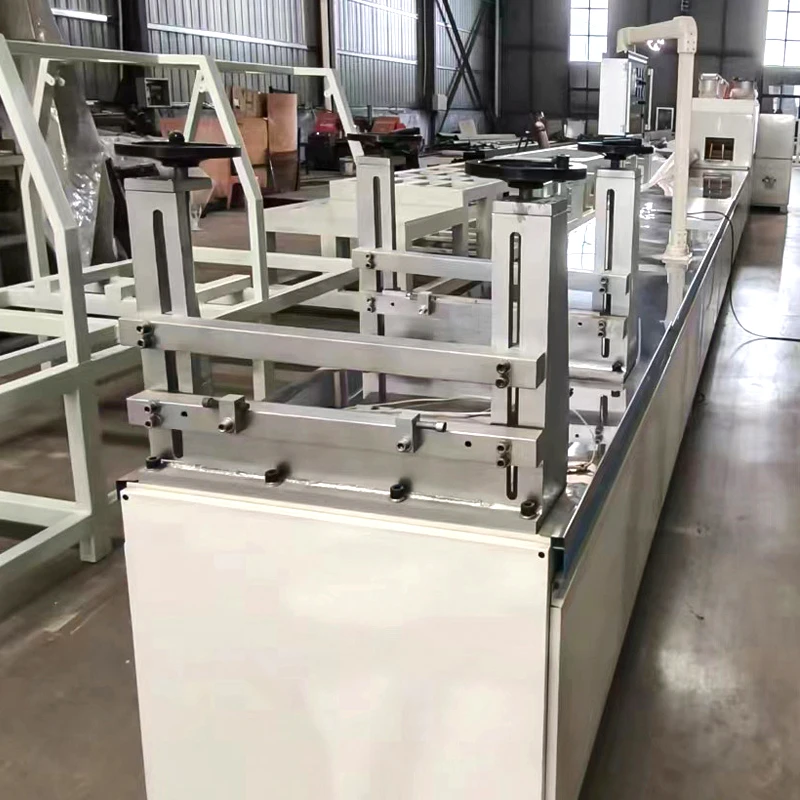
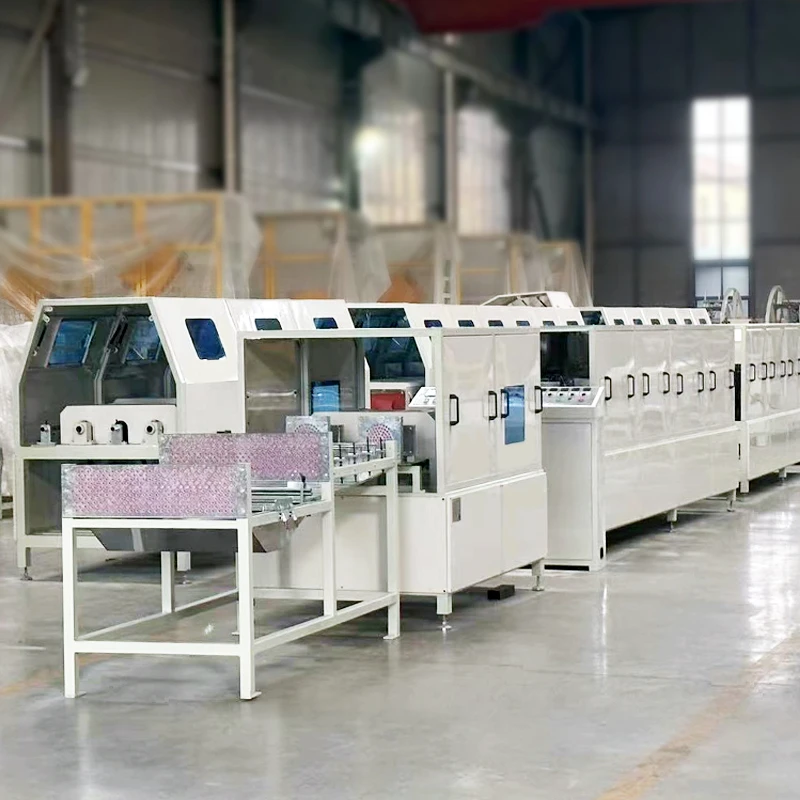
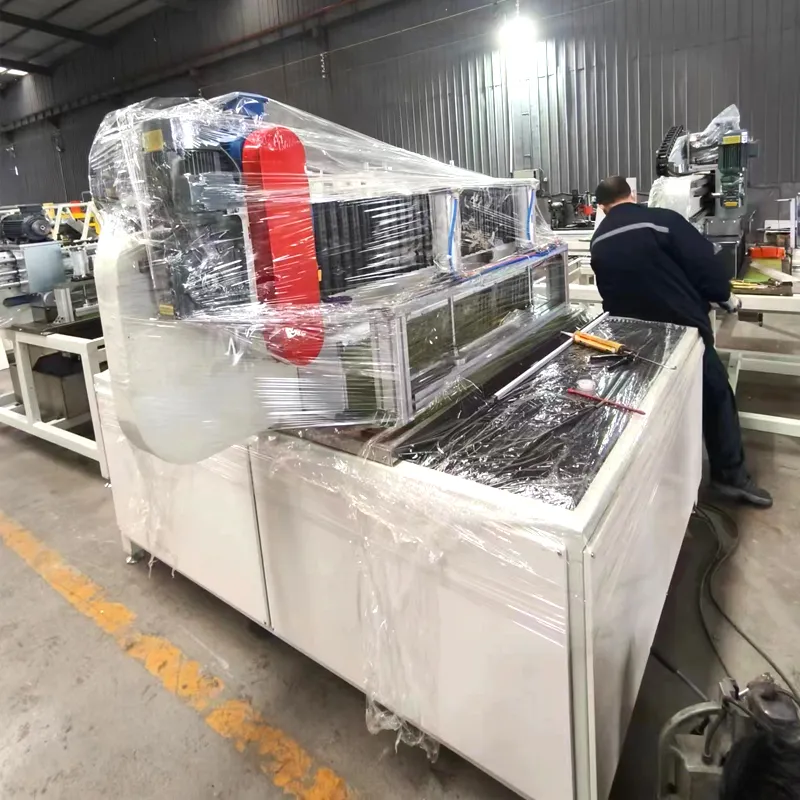
If you’ve walked a wastewater plant catwalk or checked a cable tray near the coast, chances are you’ve met pultruded FRP—quietly doing its job. The manufacturing backbone is the frp pultrusion machine, and this particular line from Hebei has been turning heads for being pragmatic rather than flashy—PLC control, LCD, hydraulic reciprocating traction, pneumatic fixed-length cutting. I spent a day on site; the operators liked that it “just keeps pulling.”
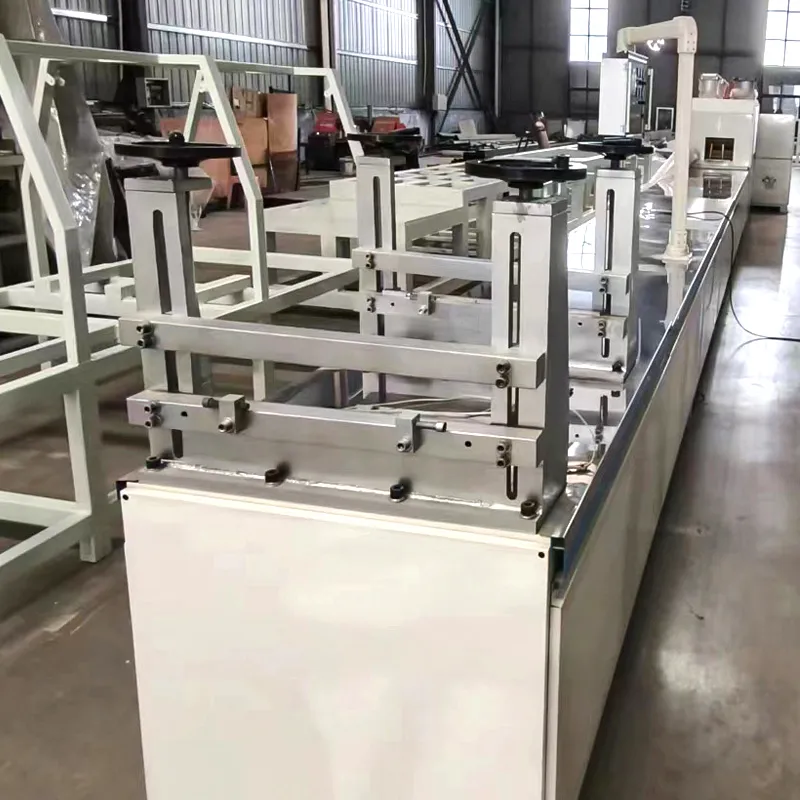
What’s trending in pultrusion
Three shifts, more SKUs, stricter audits. Demand for corrosion-proof profiles for energy, water, and telecom is up, and auditors keep asking for EN 13706 and UL 94 evidence. Automation is creeping in—sensors on resin viscosity, closed-loop pull control—and, to be honest, that’s overdue. The Hebei unit keeps it sensible: PLC + stable hydraulics over gimmicks. Many customers say that’s why downtime is low.
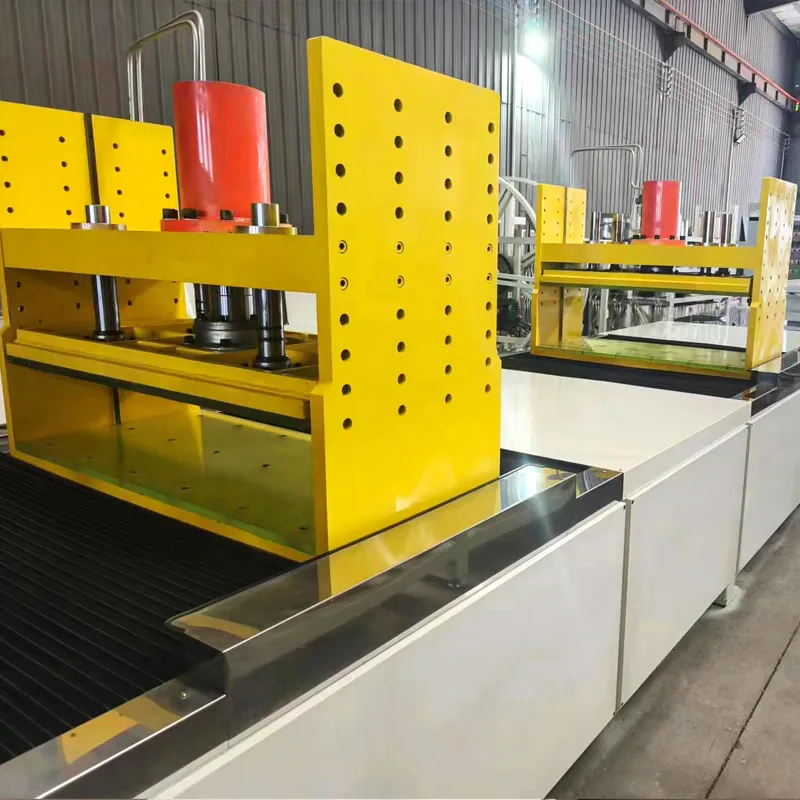
Core architecture
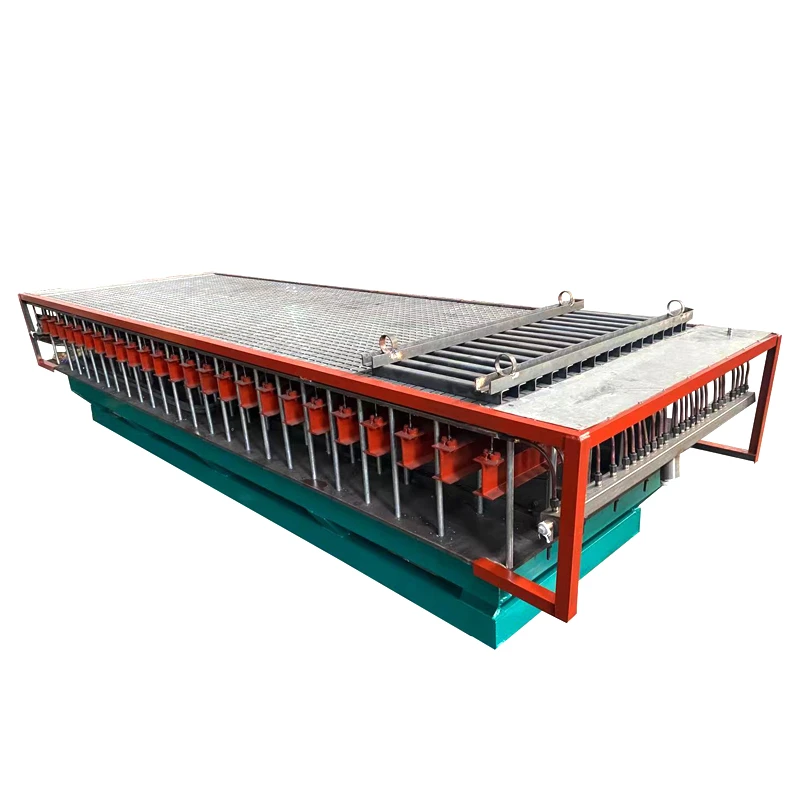
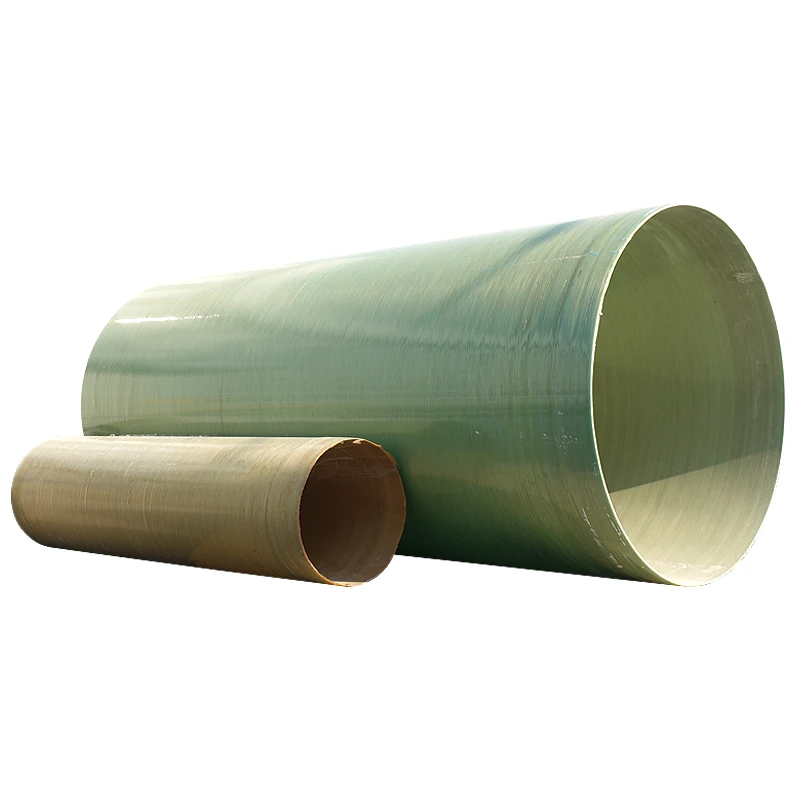
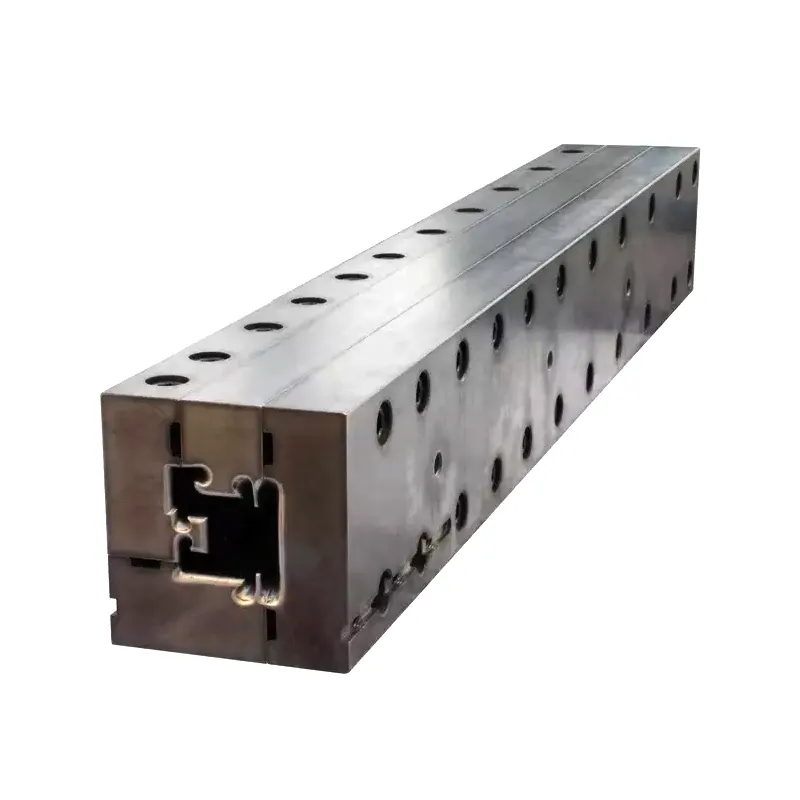
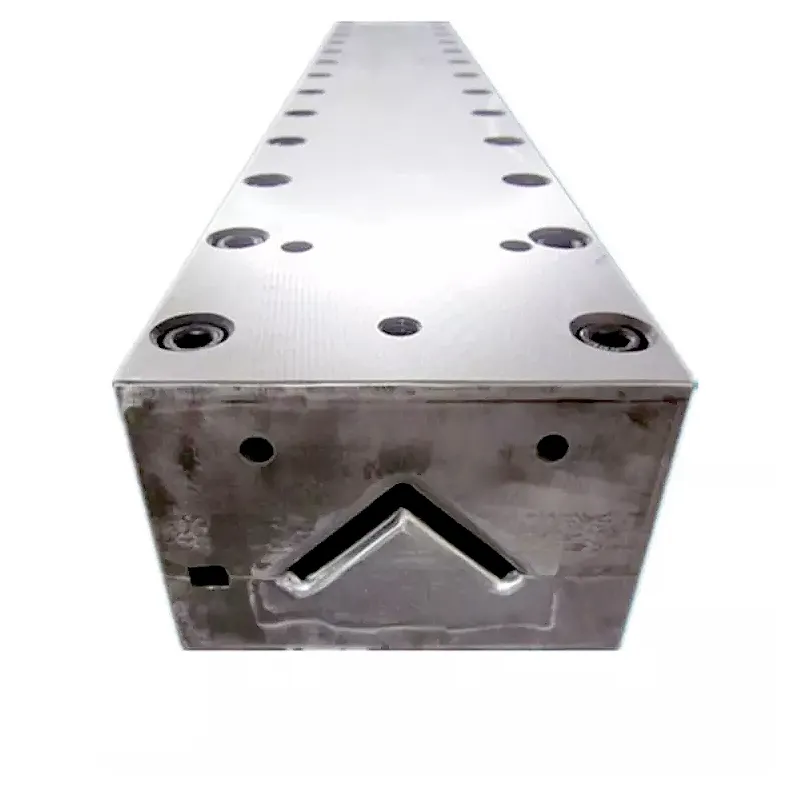
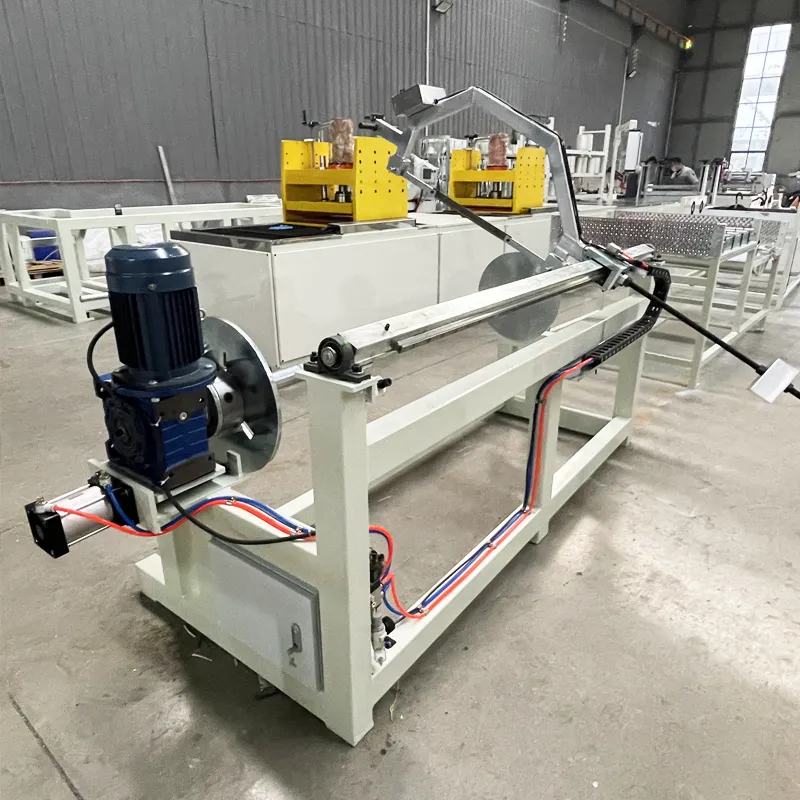
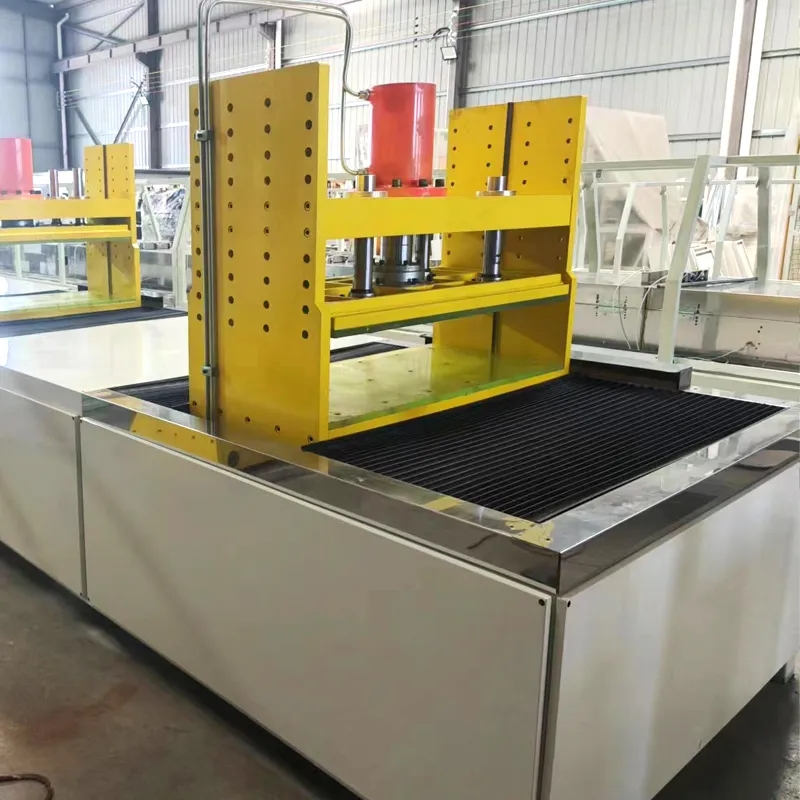
Creel → dipping tank → preforming guides → heated die table → reciprocating tractor → pneumatic saw → support rack → control. With the right molds, you’ll run I-beams, angle, square/round tube, cable troughs, rods, hollow panels, bridges—switchovers are surprisingly quick once the crew learns the die setup routine.
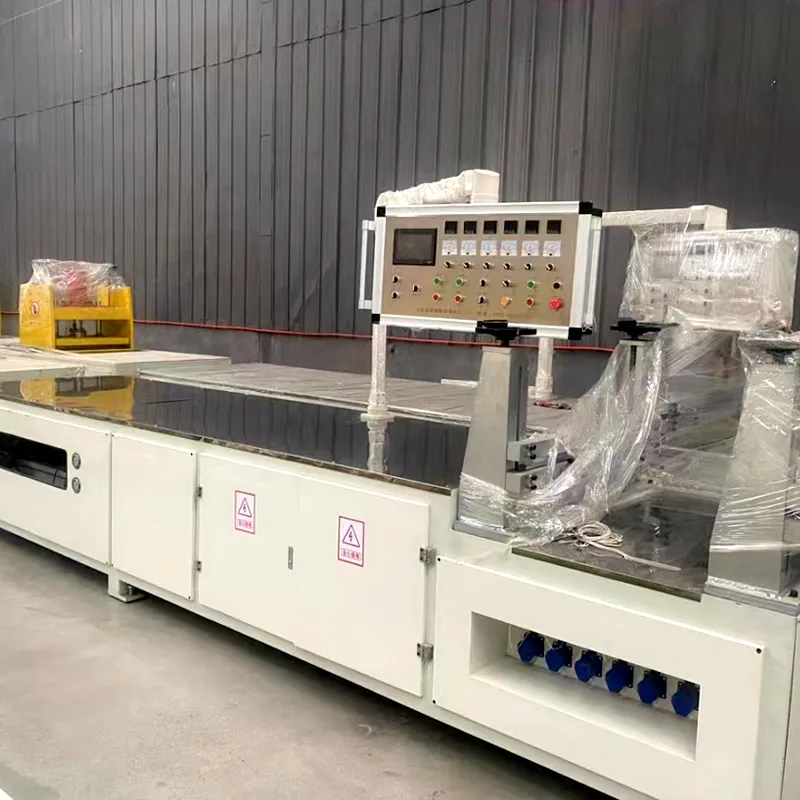
Typical machine specs (real-world values may vary)
| Control | PLC + LCD HMI |
| Traction | Hydraulic reciprocating, ≈30–60 kN |
| Line speed | ≈0.2–1.5 m/min adjustable |
| Cutting | Pneumatic fixed-length saw, ±1.5 mm |
| Heated die zones | 2–4 zones, 120–160 °C (electric/thermal oil) |
| Max profile width | ≈300 mm (custom molds available) |
| Installed power | ≈25–45 kW |
| Air requirement | 0.6–0.8 MPa |
Process flow, materials, and testing
- Reinforcement: E-glass roving/mats; surface veil for corrosion class.
- Resins: Orthophthalic/vinyl ester/epoxy; fillers; pigments; MEKP or BPO; release agent.
- Method: Preforming guides align fibers → heated die cures → hydraulic pull → pneumatic cut.
- QC: Dimensions (EN 13706), tensile (ASTM D638), flexural (ASTM D790), Barcol (ASTM D2583), water absorption (ASTM D570), dielectric (ASTM D149), UV (ASTM G154), salt spray (ASTM B117). Fire: UL 94 V-0 formulas available.
Indicative profile data (vinyl ester, 65% glass): tensile ≈600 MPa; flexural ≈800 MPa; Barcol ≈45; dielectric ≈20 kV/mm; density ≈1.8 g/cm³. Field life: 25–30 years with UV topcoat, though coastal exposure can nudge maintenance earlier.
Applications and advantages
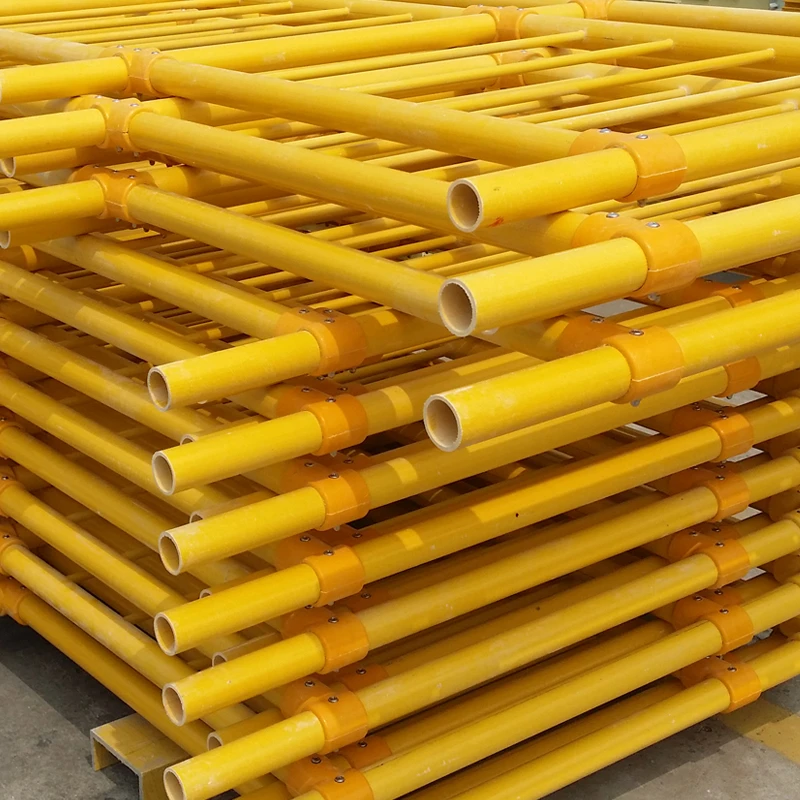
Cable trays, ladder rails, I-beams for platforms, handrails, bridges, telecom brackets, utility crossarms, cooling tower components. Benefits: corrosion resistance, electrical insulation, low mass, low thermal conductivity, and—surprisingly—quiet operation on the line, which operators appreciate during night shifts.
Vendor snapshot (quick comparison)
| Vendor | Control/Drive | Cutting | Certs | Lead time | After‑sales | Price |
| Hebei Line (this unit) | PLC + hydraulic reciprocating | Pneumatic, ±1.5 mm | ISO 9001, CE (on request) | ≈6–10 weeks | Remote + on‑site startup | Mid |
| EU Premium | Servo + closed loop | Servo flying cut | ISO 9001/14001, CE | ≈12–20 weeks | Full lifecycle SLA | High |
| Budget Local | Basic hydraulic | Manual stop‑cut | Limited | ≈4–8 weeks | Ad‑hoc | Low |
Customization (where the ROI usually hides)
- Molds: angle/I-beam/box/rod/tube; quick-change preformers.
- Resin packages: corrosion-grade vinyl ester, low smoke/halogen‑free; fire performance to UL 94 V‑0.
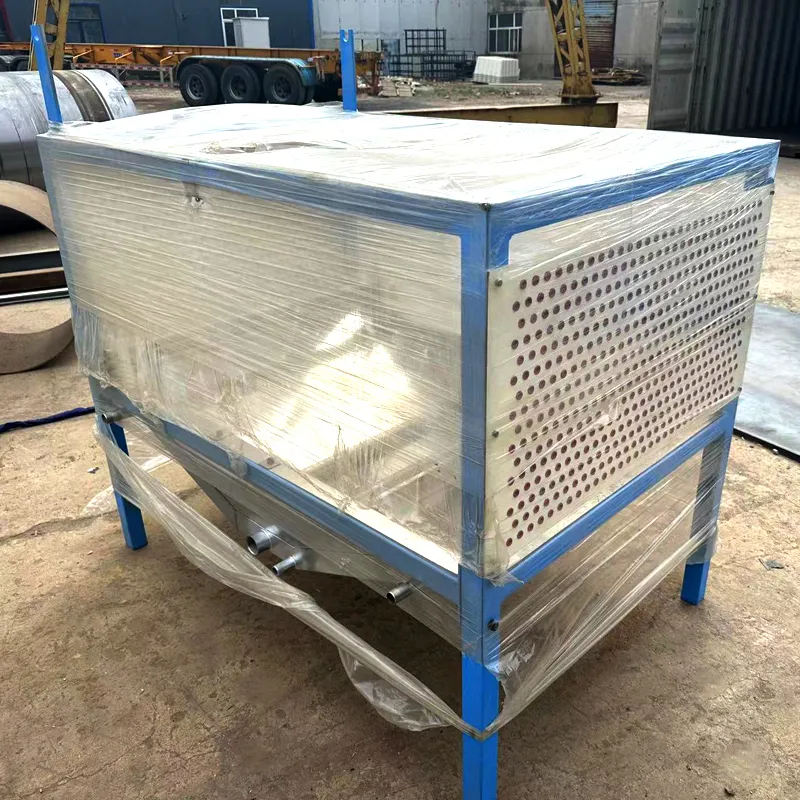
- Heating: electric or thermal oil; added zones for thick sections.
- Automation options: resin temp/viscosity monitoring, pull force logging, recipe management.
Case notes from the floor
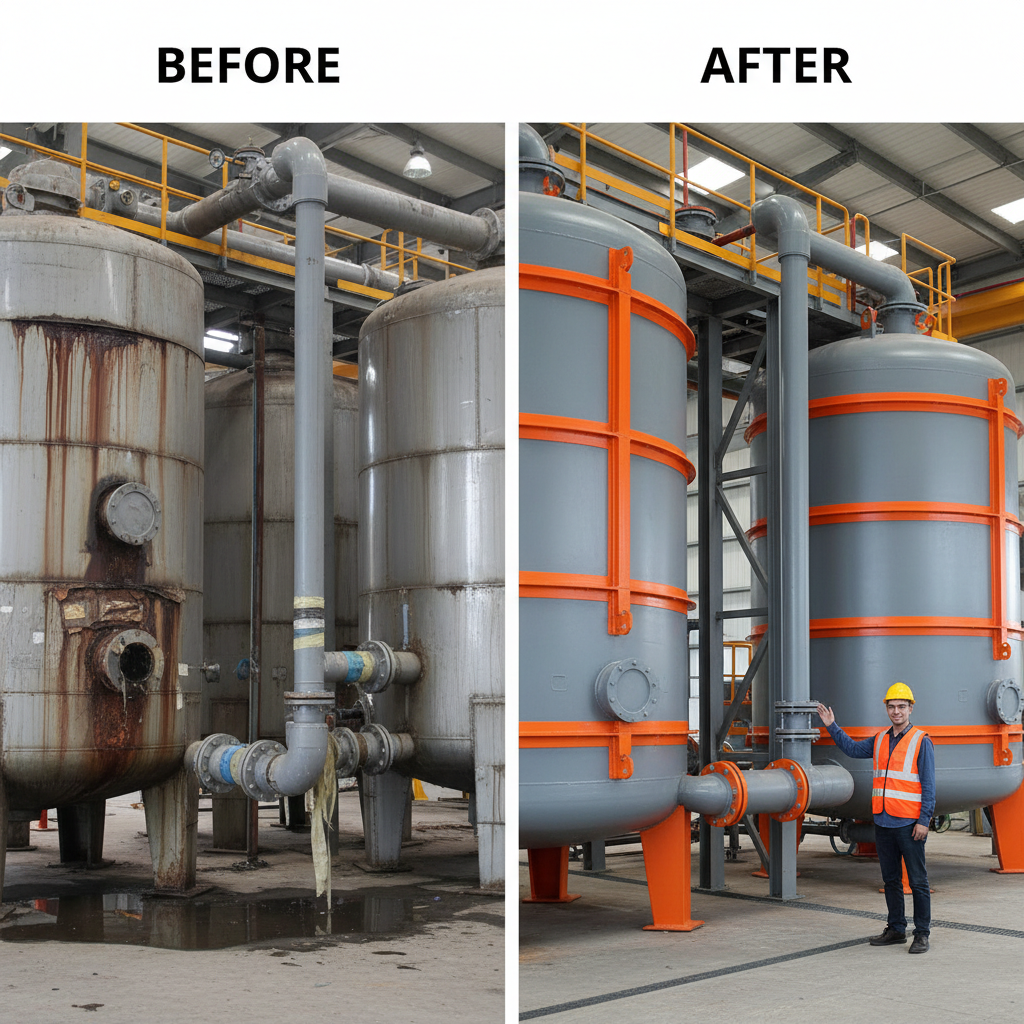
Case A—Coastal utility: swapped steel cable trays for FRP profiles. Line speed stabilized at 0.9 m/min; scrap fell from 6% to 2.1% after die tuning; salt-spray panels passed 1,000 h with no blistering (ASTM B117). Payback ≈14 months.
Case B—Ladder manufacturer (EU): added a second frp pultrusion machine with identical die set; doubled output without re-training. Tensile coupons averaged 620 MPa (ASTM D638 Type I), Barcol 46; management liked the “boringly stable” shift reports.
Compliance, service life, and support
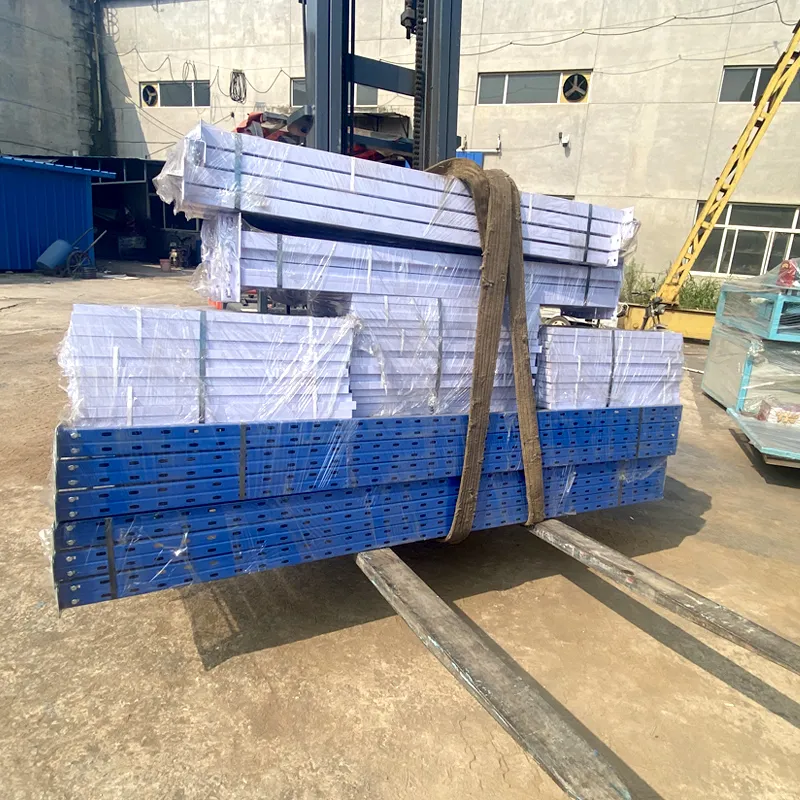
Profiles designed to EN 13706; factory runs ISO 9001 routines; optional CE marking and RoHS statements. With UV topcoat and corrosion-grade resin, expect 25–30 years in industrial atmospheres; check local fire codes if going indoors near occupied spaces. Origin: No. Room 211,706 Xinghua North Street, Jizhou District, Hengshui City, Hebei Province. Customers mention responsive remote support; I guess that’s why repeat orders keep happening.
Quick customer remarks
- “Cut accuracy held within ±1 mm after warm‑up.”
- “Die change took under 45 minutes after week two.”
- “Energy use was lower than our press line—pleasant surprise.”
References
- EN 13706: Pultruded profiles — Specifications and test methods.
- ASTM D638, D790, D570, D149, D2583, B117; UL 94; ASTM G154.
- ISO 9001 Quality Management; CE marking guidance for machinery.
- ISO 14692 (composite piping) for corrosion-grade resin selection context.